
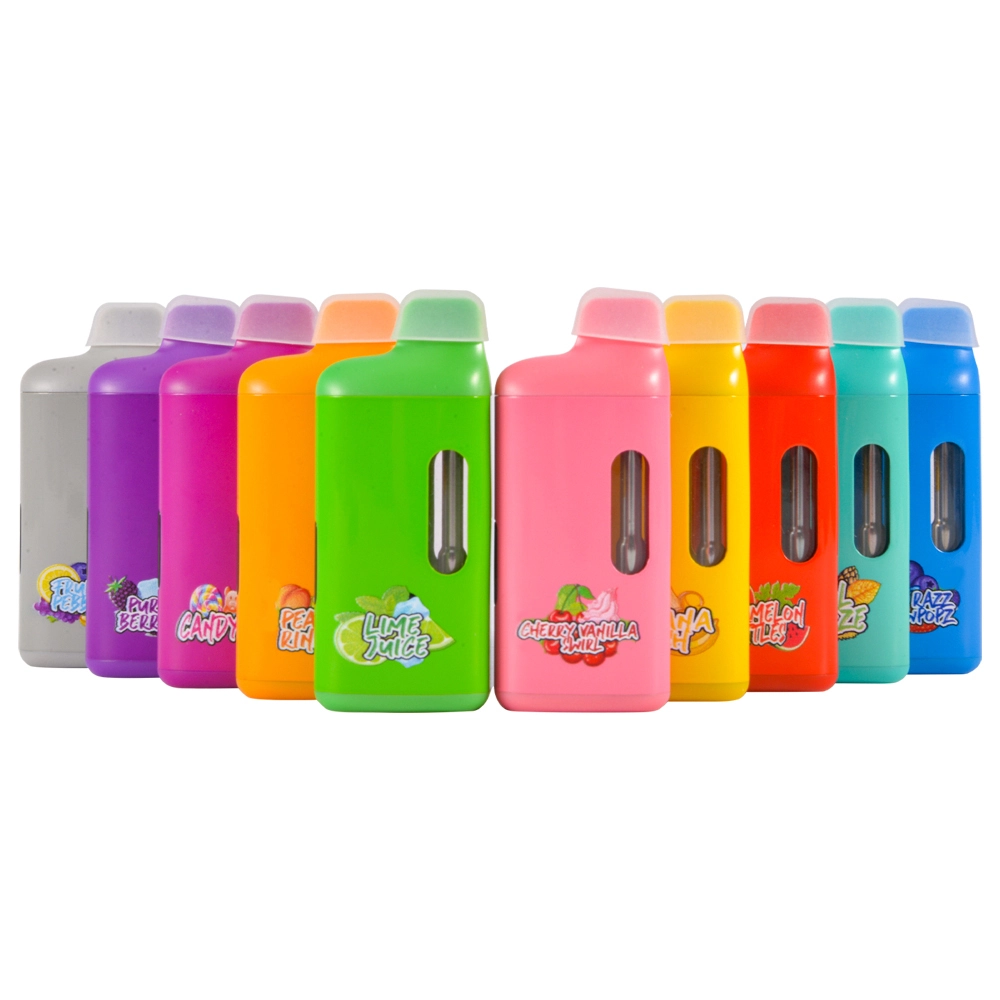
Audience: B2B wholesale buyers, distributors, and OEM/ODM teams.
Scope (required): empty hardware only (shell, battery, coil/heating structure, airflow, packaging, QC, logistics). No filled oil, nicotine, or effects are discussed. This article does not provide instructions for filling or using any controlled substance. Always follow local laws, licensing rules, and platform policies.
What “Empty Hardware” means (and why it matters)
In B2B procurement, “Empty Hardware” means you’re buying the device platform and packaging system—not any filled contents. Your operational wins come from spec discipline, traceability, QC gates, and logistics readiness. That’s what keeps a format “popular” long after social trends change.
This post uses a buyer-first lens: how to reduce support tickets, prevent mix-ups in receiving, avoid shipping delays, and control DOA/returns once you scale.
Related reading (same site): Ace X Packman Empty Disposable Hardware – US Stock Wholesale · Ace x Packman (Hardware Only): B2B Buyer Guide, QC & Docs · Ace Packman Empty Disposable: Hardware-Only Guide for B2B Buyers
Reason 1: Familiar form factor reduces listing & warehouse errors
In B2B, “popular” often translates to “hard to mess up.” A familiar form factor paired with consistent naming reduces errors across product listings, inbound receiving, and warehouse picking.
What it means for B2B buyers
- Lower mix risk: fewer look-alike SKUs getting merged or mislabeled during inbound.
- Faster onboarding: new staff can match device/packaging quickly without tribal knowledge.
- Cleaner catalog: you can scale variants (color/finish/packaging) without breaking the SKU master.
What to verify (specs / docs / QC)
- Lock the official SKU name used on quote, invoice, and carton marks (stop “name drift”).
- Require a photo pack: front/back/side + close-ups (port, mouthpiece, seams).
- Ensure packaging prints: batch/lot + packaging version (Rev/Ver).
Buyer takeaway
Choose hardware that keeps SKU logic simple. Complexity shows up later as warehouse mistakes and customer support load.
What to ask your supplier (3 bullets)
- Do you maintain a revision log for any hardware or packaging changes?
- Can you print batch/lot and packaging version on every unit/carton?
- What barcode standard do you use, and how do you validate scan readability before packing?
Reason 2: Stable specs simplify reorders
Reorders become expensive when specs drift silently. A stable platform keeps your listings consistent and makes acceptance measurable across sample → pilot → bulk.
What it means for B2B buyers
- Faster reorders: fewer re-approvals and less back-and-forth updating product pages.
- Predictable acceptance: you can run the same QC gate checklist every time.
- Cleaner training: fewer “it changed but no one told ops” moments.
What to verify (specs / docs / QC)
- Signed spec sheet with version/date (battery, charging, heating structure ID, airflow, materials).
- Golden sample retained and referenced in the PO as the acceptance baseline.
- Document any “V2/V3” language with a written change list, not just a marketing label.
Buyer takeaway
Spec stability is the foundation of consistent listings, predictable QC, and lower after-sales costs.
What to ask your supplier
- How do you prevent silent changes between batches (materials, resistance, seals, PCB)?
- Can you provide a one-page spec sheet that matches carton marks and invoices?
- Will you keep a golden sample from the approved batch for future dispute resolution?
Reason 3: Packaging & label fields support traceability
Packaging is not just branding—it’s your traceability system. Clear label fields reduce disputes and shorten the time it takes to isolate a batch-level issue.
What it means for B2B buyers
- Faster claim resolution: you can map an issue to a specific shipment/carton/batch.
- Less chaos in receiving: ops can separate lots before problems spread across inventory.
- Better vendor accountability: evidence becomes objective, not opinion-based.
What to verify (specs / docs / QC)
- Unit/box fields: batch/lot, date code, packaging version, barcode/QR (where used).
- Outer carton marks that map to your receiving log (carton ID → lot → PO).
- Standardized seal placement so receiving can spot tampering quickly.
Buyer takeaway
Traceability is cheap to print and expensive to retrofit. Build it into every shipment from day one.
What to ask your supplier
- Can you share your label field standard and a sample photo pack?
- Do you do barcode scan verification prior to packing?
- How are outer cartons marked to prevent batch mixing during transit and receiving?
Reason 4: QC touchpoints standardize better at scale
Hardware-only QC can be standardized with clear pass/fail gates. The more measurable your acceptance criteria are, the fewer arguments you’ll have after delivery.
What it means for B2B buyers
- Repeatable SOP: different warehouses and inspectors can follow the same checklist.
- Lower return rates: simple functional checks catch “invisible” defects early.
- Better vendor feedback loops: you can report issues in a way factories can actually fix.
What to verify (specs / docs / QC)
- AQL sampling plan with an explicit functional test list (not “visual only”).
- Functional gate examples: activation response, charging indicator behavior, abnormal heat/odors, seam/fit issues.
- Quarantine rules: repeated safety anomalies, paperwork mismatch, verification exceptions (if applicable).
Buyer takeaway
Define QC gates before paying. Otherwise you negotiate quality after delivery.
What to ask your supplier
- Can you share your QC checkpoints and your standard acceptance criteria?
- Do you provide pre-shipment evidence (sampling report + photos/videos) per lot?
- How do you handle batch-level corrective action if defect patterns repeat?
Reason 5: Logistics readiness (battery docs, packing, routes)
Many delays come from paperwork and packing—not from unit price. A logistics-ready platform reduces friction with shipping lanes and lowers damage/DOA risk in parcel environments.
What it means for B2B buyers
- Fewer shipping delays: documentation is ready when carriers or forwarders ask.
- Less transit damage: inner trays prevent rattle, cartons resist compression, seals remain intact.
- Cleaner receiving: carton IDs and lot mapping reduce inbound confusion.
What to verify (specs / docs / QC)
- Battery paperwork availability (see References: UN 38.3 test evidence and test summary expectations).
- Packaging durability reference: ISTA 3A-style thinking (rattle test, seal retention, drop/compression resilience).
- Lane mapping: confirm where stock ships from and typical lead times for your channel.
Buyer takeaway
If you want predictable delivery, validate docs + packing spec as seriously as unit price.
What to ask your supplier
- What documentation pack do you provide for my shipping lane (and how fast can you send it)?
- What is your inner tray and master carton spec (photos + dimensions + pack-out)?
- Do you track transit damage rates for similar shipments, and what improvements reduced damage?
Reason 6: OEM/ODM friendliness for brand differentiation (empty only)
A platform stays popular when it supports brand differentiation without rebuilding the supply chain. The best programs standardize the hardware while allowing controlled customization in finish, logos, and carton artwork.
What it means for B2B buyers
- Reuse the platform: run multiple campaigns without changing the underlying hardware.
- Shorter launch cycles: fewer engineering changes, more controlled artwork iterations.
- Less SKU explosion: differentiate with packaging and finish rather than new hardware revisions.
What to verify (specs / docs / QC)
- MOQ by customization type (color/finish/logo method/carton artwork).
- Approval workflow: dieline → proof → sign-off → production (with timestamps).
- Durability criteria for logos/printing (rub resistance, scratch tolerance, alignment tolerances).
Buyer takeaway
OEM/ODM is “easy” only when you standardize approvals, color references, and durability expectations.
What to ask your supplier
- What is your artwork approval timeline, and what causes delays most often?
- Can you commit to consistent color/finish matching (e.g., Pantone reference if used)?
- What durability checks do you run for printed logos and carton finishes?
Reason 7: After-sales risk control (DOA, returns, part consistency)
A format stays popular when risk is manageable. Clear DOA rules, consistent parts, and traceable batches reduce the true cost of ownership once you scale.
What it means for B2B buyers
- Lower disputes: written policies replace ad-hoc negotiation.
- Faster root cause: lot tracking isolates issues before they infect your whole inventory.
- Better KPIs: defect rates become measurable and improvable, not “bad luck.”
What to verify (specs / docs / QC)
- DOA window and evidence requirements (photo of label fields + carton mark + short video proof).
- RMA categories (charging, activation, cosmetic, packaging) so ops can triage consistently.
- Lot mapping in your receiving log (PO → carton ID → lot/batch → storage location).
Buyer takeaway
If after-sales rules aren’t written, you’re buying uncertainty.
What to ask your supplier
- What is your written DOA/returns policy and how do you define “valid defect”?
- How do you handle batch-level corrective actions and replacements?
- What traceability fields will appear on units and cartons for claim verification?
Due-diligence checklist before you place a PO
1) Specs & documentation (stop “support tickets” before they start)
- Signed spec sheet (version/date) + photo pack aligned to the SKU name.
- Battery/transport documentation availability (UN 38.3 evidence + test summary expectations; see References).
- Packaging dieline + label field standard (batch/lot + packaging version + carton marks).
2) RFQ + sampling plan (make quotes comparable)
- Define your acceptance criteria (AQL + functional checks) before comparing vendors.
- Approve a golden sample and reference it in the PO as the acceptance baseline.
- Require pre-shipment evidence for the pilot lot (report + photos/videos).
3) Packaging & transit controls (damage + mix prevention)
- Inner tray rattle prevention + seal consistency + carton integrity checks.
- Carton ID mapping to receiving logs (lot separation on arrival).
- Use ISTA 3A-style thinking as a reference for parcel shipment risks (see References).
4) RMA / DOA rules + return reduction system
- Written DOA window, evidence standard, and resolution options (credit/replacement).
- RMA categories and batch isolation workflow for repeated defect patterns.
- Internal KPI tracking: defect rate by lot, supplier, and shipment lane.
FAQ (B2B)
Is this hardware empty or pre-filled?
This guide is about empty hardware only. The device ships as a shell (battery/coil/housing/packaging) with no filled contents.
What should we put on the product page to reduce returns?
Clear “empty only” scope, spec transparency (battery/charging/heating structure basics), documentation availability, and your QC/DOA policy. Treat the product page as your first line of after-sales defense.
What documents matter most for shipping lithium-battery hardware?
Requirements vary by lane and carrier, but you should be able to quickly produce UN 38.3-related evidence and the lithium battery test summary expectations, plus any IEC/UL safety evidence your program maintains (see References).
How do we avoid “name drift” across Ace/Packman variants?
Lock the SKU name in writing and tie it to carton marks, a spec sheet version/date, and a photo pack. If a revision occurs, change the version field and document the delta—don’t reuse the old name.
References (authoritative)
- PHMSA: Lithium Battery Test Summaries (updated July 2024; revisions effective May 10, 2024) — PHMSA page / PDF
- U.S. eCFR: 49 CFR §173.185 (UN 38.3 test requirement reference) — eCFR
- UL: UL 8139 overview (electrical/heating/battery/charging system safety for vaping devices) — UL service page
- IEC: IEC 62133-2:2017 scope summary (portable sealed secondary lithium cells/batteries safety requirements) — IEC webstore summary
- ISTA: Procedure 3A overview (parcel delivery system shipments; packaging performance reference) — ISTA test procedures
- Content usability (scan behavior): NN/g research on how little users read (scannability rationale) — NN/g
Brand names are used for identification and buyer intent only. This page is not affiliated with any brand owner.
If you want more related reading on Vapetech420:
0 Comments