
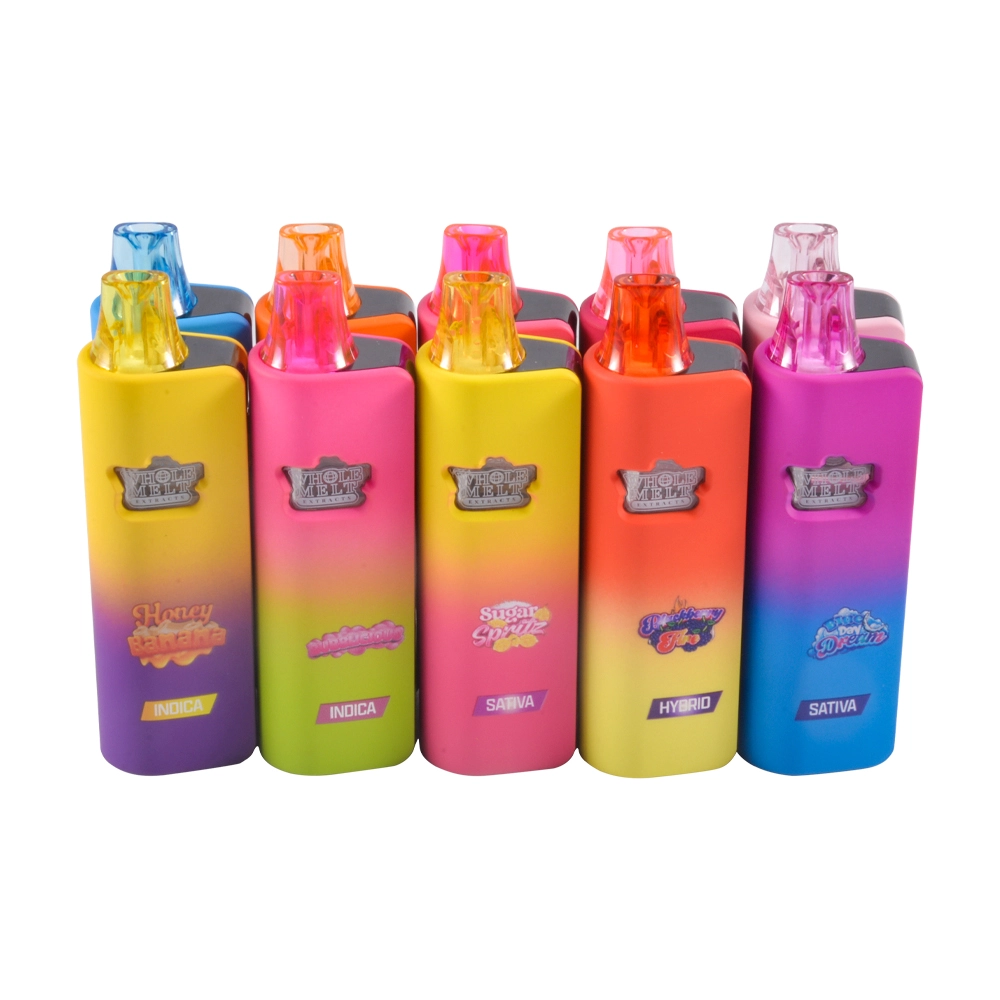
Whole Melt V7 Dual Chamber Specs Explained: 1g+1g (1ml+1ml), 450mAh, USB-C & LED Screen
Scope (hardware / B2B): This article focuses on the device hardware specs and wholesale receiving/QC. “Whole Melt V7 dual chamber” specs are typically published through supplier/wholesale listings (not a single universal OEM datasheet), so treat the numbers below as the most consistently listed current specs and lock your final requirements to an approved sample + PO.
Specs at a glance (what current listings most often agree on)
Across multiple recent wholesale pages, Whole Melt V7 dual-chamber hardware is commonly listed as:
-
Dual chamber capacity: 1ml + 1ml (marketed as 1g+1g)
-
Battery: 450mAh
-
Charging: USB-C / Type-C (often described as bottom Type-C)
-
Display: Full LED screen / LED screen
-
Common supporting specs you may also see: 1.4Ω resistance, ceramic coil, 4×1.6mm inlet holes (these tend to be more “version-sensitive,” so verify)
1g+1g (1ml+1ml) dual chamber: what it means in real-world terms
A “1g+1g” dual-chamber device is effectively two separate reservoirs in one body, typically listed as 1ml+1ml total volume.
Why wholesale buyers care:
-
SKU clarity: dual-chamber inventory is easier to mix up at receiving if outer labels don’t clearly mark the variant.
-
QC priority: dual-chamber designs introduce extra failure points (chamber isolation, selector behavior, airflow balance) compared to single-chamber devices.
Receiving tip: sample across cartons and confirm both chambers behave consistently (no “one side dead” pattern) before the batch hits shelves.
450mAh battery: why this spec is directly tied to returns
Multiple current listings pin the V7 at 450mAh, which is a key “expectation-setting” spec for buyers and end users.
Where returns come from:
-
Spec drift: if you order “450mAh” but receive a different battery build, complaints show up as “dies too fast,” “weak hit,” or inconsistent behavior.
-
Low-charge perception: devices shipped with low battery often get labeled “DOA” when they simply need charging.
PO best practice: treat battery capacity as a versioned requirement (e.g., “V7 dual chamber, 450mAh build”), and add “no silent component changes” language.
USB-C / Type-C charging: what to verify (beyond “it has a Type-C port”)
Supplier specs commonly call out Type-C charging, including bottom Type-C in some listings.
High-impact inbound checks (2 minutes per unit sample):
-
Port fit: cable seats firmly; no wobble or angled insertion.
-
Charge acceptance: plug in for 5–10 minutes and confirm consistent charging indication.
-
Reconnect test: unplug/replug once; it should re-initiate normally.
These three checks catch most “won’t charge” return drivers: port tolerance issues, intermittent connectors, and inconsistent charge signaling.
LED screen: what it’s for and how to QC it fast
Recent listings describe a full LED screen / LED screen on the V7 platform.
From a returns perspective, a screen only helps if it’s consistent and readable. Your inbound QC should include:
-
Segment/pixel check: no dead segments.
-
State sync: screen changes reliably with device state (on/charging/low power).
-
Lens fit: no fogging, glue marks, or loose screen window.
Why this matters: screens reduce “guessing,” but inconsistent UI across batches can increase tickets (“my screen doesn’t match what support told me”).
Extra spec notes (verify before you write them into marketing)
Some wholesale pages also list:
-
Resistance: 1.4Ω
-
Coil type: ceramic
-
Inlet holes: 4×1.6mm
-
Pod material: (sometimes written as PGTC/PCTG—typos happen; confirm with your supplier)
These can be useful for internal QC and purchasing, but they’re more likely to vary by batch—so treat them as “must-confirm” items.
Wholesale receiving SOP: a 10-minute test that cuts “DOA” claims
For each batch (or each master carton, if you’re strict), sample 5–10 units and run:
-
Visual: seams, mouthpiece fit, screen window
-
Screen check: all segments + readable brightness
-
Charge check: USB-C fit + 5–10 minute acceptance
-
Consistency: compare behavior across multiple units in the same carton
If your supplier provides packaging sets that include stickers/serialization, confirm packout matches your PO (some listings include sticker packs, including NFC/QR sticker mentions on certain supplier pages).
If you want more vape for sale, you can go through those pages: cbd disposable vape|2 gram disposable vape pen| Whole Melt|whole melts disposable
0 Comments