
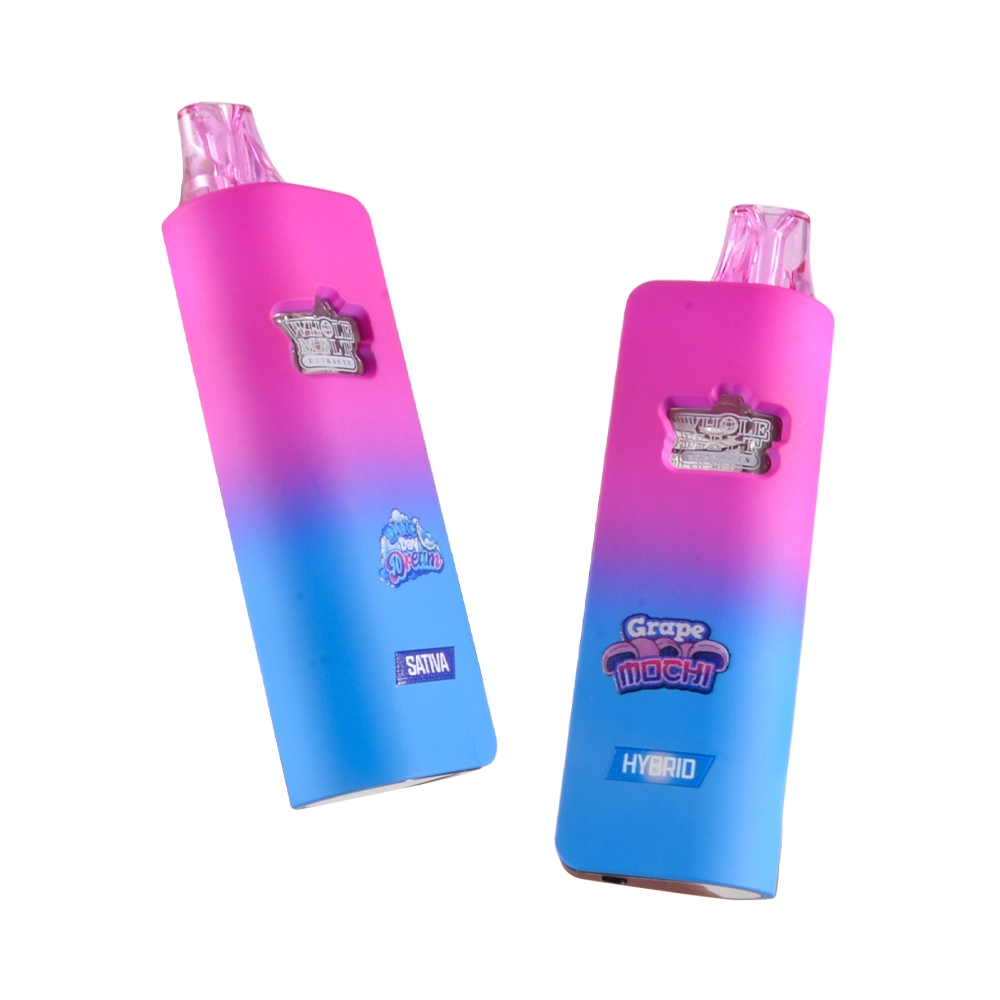
Scope (hardware only): This article discusses Whole Melt V7 dual chamber empty disposable hardware that ships unfilled (no oil, no nicotine, no THC). It focuses on B2B reliability/QC, documentation, and logistics. No filling or formulation instructions are provided.
Whole Melt V7 Dual Chamber Empty Disposable: Switch Reliability, Cross-Leak Risks, and Buyer Expectations
Dual-chamber empty disposables can sell fast—but they also generate tougher B2B questions. U.S. retailers and distributors will scrutinize the switch mechanism, demand clarity on cross-leak/cross-contamination risk, and expect a clean “evidence trail” that helps them defend returns, chargebacks, and audits. This guide turns those concerns into a practical buyer checklist: failure modes, receiving QC, spec lock, and a Proof Pack that keeps deals moving.
What “Dual Chamber” Means for B2B Risk (and Why Retailers Ask More Questions)
Dual-chamber hardware adds real sales appeal—two distinct chambers and a selector that changes the vapor path. But from a buyer’s perspective, it also adds more parts and more tolerance stack-up: two tanks, two seal interfaces, and a switching mechanism that must stay consistent over shipping, storage, and normal handling.
The three outcomes buyers care about:
- Lower returns: fewer “one side dead,” “switch stuck,” and “it tastes mixed” complaints.
- Consistent user experience: the selector has predictable detents, and both modes draw similarly from case to case.
- Defensible documentation: if something fails, they can isolate a batch fast and prove what arrived, when, and how it was checked.
Practical tip: define “acceptable variance” in advance. Cosmetic variance is tolerable; functional variance (selector looseness, obvious seal damage) should trigger quarantine and a documented claim workflow.
Switch Reliability 101 — How the Selector Fails (Buyer View, Not Engineering Theory)
When U.S. retailers evaluate Whole Melt V7 dual-chamber empty hardware, the selector is the first “risk amplifier.” A standard single-path device may survive small assembly variance. A dual-path device can turn the same variance into a customer-facing failure.
What B2B buyers mean by “switch reliability”
- Detent consistency: does the switch click into a clear position every time?
- Selector stability: does it stay put during shipping/handling, or drift between positions?
- Repeatability across a master case: are the first 5 sampled units “the same feel”?
- Failure clarity: if it fails, can you categorize it fast (loose, stuck, misaligned)?
Switch failure-mode matrix (use this as your receiving checklist)
Include this table in your internal SOP and in buyer-facing discussions. It shows you manage risk with process—not promises.
| Failure mode | Buyer symptom | Receiving check (no filling) | Quarantine threshold | Evidence required | Resolution path |
|---|---|---|---|---|---|
| Loose selector / weak detents | Mode changes accidentally; inconsistent draw | Cycle selector 10x; confirm clear “positions” and stable stop points | ≥2 of 5 sampled units show drift/looseness | Short video + case ID photo + sample log | Quarantine case → supplier claim → replace/credit per policy |
| Selector stuck / gritty movement | Can’t switch; customer says “one side only” | Cycle selector; check for binding or abnormal resistance | Any unit that cannot switch cleanly | Video of failed switch + close-up photos | Isolate unit(s) → expand sampling → decide case hold/quarantine |
| Misalignment between selector and internal path | Mode indicated but behavior inconsistent | Confirm selector alignment markings (if any) + consistent “positioning” feel | Any obvious misalignment or inconsistent position indexing | Photos of markings + log note | Quarantine and escalate (batch-level risk) |
| Selector cap/knob loosened in transit | Feels wobbly; customers report “cheap switch” | Light press and lateral check; verify no wobble beyond baseline | Wobble present in multiple sampled units | Photos + case label + sample rate | Hold shipment → require corrective action or replacement |
Language that helps you sell: “We don’t claim ‘zero failures.’ We run a repeatable receiving SOP with defined quarantine thresholds and evidence rules—so issues don’t spread and disputes don’t drag.”
Cross-Leak / Cross-Contamination — The Risks Unique to Dual Tank Hardware
“Cross-leak” is the most expensive dual-chamber complaint because it turns into a trust issue: buyers fear commingled inventory or inconsistent assembly. For empty hardware, you handle this by defining what counts as a cross-leak failure and building a receiving workflow that prevents mixed-batch blame.
What cross-leak looks like in real operations
- Unexpected mixing complaints (“it tastes blended even when switched”).
- Wet mouthpiece/condensation patterns that appear inconsistent across the same case.
- Unbalanced performance between positions (one “mode” feels restricted compared to others).
High-level causes you can discuss safely (no instructions)
- Seal integrity: gasket compression, mouthpiece fit, and internal interfaces that must remain consistent.
- Assembly variance: small misalignments can create leakage pathways or inconsistent pressure behavior.
- Pressure equalization: dual pathways can react differently to handling and temperature swings.
Buyer expectation: define “cross-leak fail” in your SOP (and in writing) so the buyer knows what you quarantine, how you document it, and how claims are handled.
Receiving QC SOP for U.S. Sellers (10–15 Minutes per Master Case)
The fastest way to reduce disputes is to standardize receiving. U.S. buyers want to see that you can isolate problems before inventory is commingled or redistributed.
Tools
- Case-ID labels: e.g.,
PO-#### / Supplier / Date / Case-## - Photo station: fixed lighting, consistent background
- Verification log: simple sheet or ERP fields (case ID, sample count, pass/fail, notes)
- Quarantine bin/shelf: physically separate from sellable stock
Sampling plan (simple and defensible)
Sample 3–5 units per master case as a baseline; increase sampling for a new batch, new supplier, or any packaging variance. The goal is not perfection—it’s early detection.
Step-by-step SOP
- Assign case ID and photograph the sealed carton label and seals.
- Open and photo the inner layout (tray orientation, device markings).
- Run switch checks on sampled units (cycle 10x; confirm stable “positions”).
- Inspect fit/seals (mouthpiece alignment, obvious gaps, damage).
- Log results (pass/hold/quarantine) with sample count and staff initials.
Decision tree: Pass → Sellable shelf. Hold → expanded sample + supervisor review. Quarantine → isolate case(s), create an exception log, and initiate claim workflow.
What Retailers Ask Before They Stock (Buyer Expectations in Plain English)
1) “Is it truly empty hardware only?”
Put it in writing: invoice, packing list, and product page should all state empty hardware only (unfilled). Buyers need that language for internal approvals and to avoid misunderstandings at receiving.
2) “What exactly is locked in this batch?”
Buyers want a spec lock: battery capacity (mAh), charging type (USB-C), selector mechanism version, and any identifying markings for the run. They aren’t being picky— they’re preventing “same SKU, different internals” problems that create returns.
3) “What’s your DOA and claims policy?”
A credible seller defines DOA for empty hardware (e.g., charging failure, no indicator response, severe selector failure) and states an inspection window and evidence rules. The clearer your policy, the faster buyers commit.
Spec Lock & Version Control (How to Stop “Same SKU, Different Internals” Disputes)
Your strongest B2B advantage is predictable inventory. Version control doesn’t need enterprise tooling—just a repeatable habit: lock specs per PO, label cartons clearly, and keep a short change log.
What to lock per PO
- Selector mechanism version and external identifiers (markings/positions)
- Battery spec (mAh) and charging port type
- Coil type/resistance range (as declared by the supplier)
- Packaging config (units per carton, inserts, trays)
Batch change log expectations
If something changes, record: what changed, why, when, and how to identify it at receiving. This single page can prevent weeks of blame during a quality dispute.
QC & DOA Claims — How to Make After-Sales Predictable (Not Emotional)
Define DOA clearly for empty dual-chamber hardware
For empty hardware, DOA isn’t about substance performance. Buyers typically define DOA as “fails basic function checks at first inspection”—for example: charging failure, no indicator response, severe airflow blockage, or switch that cannot reliably index.
Evidence standards that reduce disputes
- Case ID + date received + sample count
- Short video: switch cycle + indicator response
- Photos: carton label, seals, device markings, selector close-up
Claim workflow (simple is credible)
Submit evidence → hold/quarantine affected cases → supplier review → replacement/credit decision. Consistency matters more than generosity: buyers trust sellers who follow a clear process.
Packaging & Documentation Buyers Expect (“Proof Pack” You Can Defend)
A “Proof Pack” is a single folder per PO that answers most buyer questions and makes disputes resolvable in hours—not weeks. It also discourages bad-faith claims, because you can prove exactly what arrived and what checks were performed.
What photos matter (standardize them)
- Outer carton label and seals (before opening)
- Inner layout/tray orientation
- Device markings + selector close-ups
- Any exception evidence (damage, loose selector, misalignment)
Proof Pack checklist (copy/paste table)
| Item | What it proves | Who needs it | Format | Stored as |
|---|---|---|---|---|
| Invoice + packing list | Scope, quantities, shipment details | Buyer ops, accounting | PO-####_Invoice_PackingList.pdf | |
| PO spec sheet (version-locked) | What was promised for this run | Buyer QA, purchasing | PO-####_SpecLock.pdf | |
| Carton configuration sheet | Units/innners/master, accessories | Warehouse receiving | PO-####_CartonConfig.pdf | |
| Case-ID roster + batch mapping | Traceability and isolation | Ops, customer support | CSV/PDF | PO-####_CaseIDs.csv |
| Receiving photo set | What physically arrived | All teams | JPG/PNG | PO-####_ReceivingPhotos.zip |
| QC sampling log | Checks performed + results | Buyer QA | CSV/PDF | PO-####_QCLog.pdf |
| Exception / quarantine log | How issues were contained | Buyer ops, disputes | PO-####_Exceptions.pdf | |
| Warranty/DOA policy summary | Resolution rules | Buyer purchasing | PO-####_DOA-Policy.pdf |
Logistics & Battery/Shipping Documents (Empty Hardware Still Gets Scrutinized)
Even when you sell empty hardware, many shipments include lithium batteries in devices. U.S. forwarders and warehouses frequently ask for documentation that proves the battery type meets baseline transport requirements and that you can ship consistently.
UN 38.3 test summary (why buyers request it)
PHMSA explains that lithium batteries must undergo UN Manual of Tests and Criteria subsection 38.3 testing, and it publishes guidance on the lithium battery test summary requirement (effective January 1, 2022 and revised effective May 10, 2024). Keep the test summary on file so you can share it with freight partners when they request it.
Keep shipping commitments conservative
Carrier acceptance varies by classification, destination, and current enforcement. Provide what you can control (warehouse options, packing standards, documentation) and clearly label what depends on the carrier and destination requirements.
Compliance note (conditional): If shipments are treated as ENDS/vape products in a given channel, USPS restrictions under the PACT Act environment may apply. Keep this section factual and avoid absolute promises.
FAQ
Is Whole Melt V7 dual chamber sold as empty hardware only?
This article is specifically for empty hardware only (unfilled) B2B programs. Always state “empty hardware only” on your product page and commercial documents, so buyers don’t need to reinterpret your scope.
How do I confirm switch reliability at receiving?
Use a repeatable check: sample 3–5 units per master case, cycle the selector multiple times, and log pass/fail results with videos for failures. If you see multiple failures in a single case, quarantine and expand sampling before stock is commingled.
What counts as a cross-leak failure?
Define it in your SOP in plain language (what the buyer would call “mixing” or unexpected behavior) and set a quarantine trigger. The key is consistency: the buyer wants to know you will isolate problems and document them, not “ship and hope.”
What must be locked before we place a bulk order?
Lock selector version/identifiers, battery mAh and charging type, coil type/resistance range, and carton configuration. If any of these change across batches, require a change log and pre-shipment sample confirmation.
What do you require for DOA claims?
Case ID + sample rate + photos of carton/seals + a short video showing the failing behavior (switch cycle, indicator response). Clear evidence rules protect both sides and speed resolution.
Authoritative References
- PHMSA — Lithium Battery Test Summaries (TS)
- PHMSA — Lithium Battery Test Summary (PDF, 2024 update)
- eCFR — 49 CFR §173.185 Lithium cells and batteries
- Google Search Central — FAQPage structured data (FAQ must be visible)
- Google Search Central — Structured data general guidelines
- ATF — Vapes and E-Cigarettes (PACT environment overview)
Optional: Add FAQ structured data only if the Q&A is fully visible on-page and matches the markup exactly.
0 Comments