
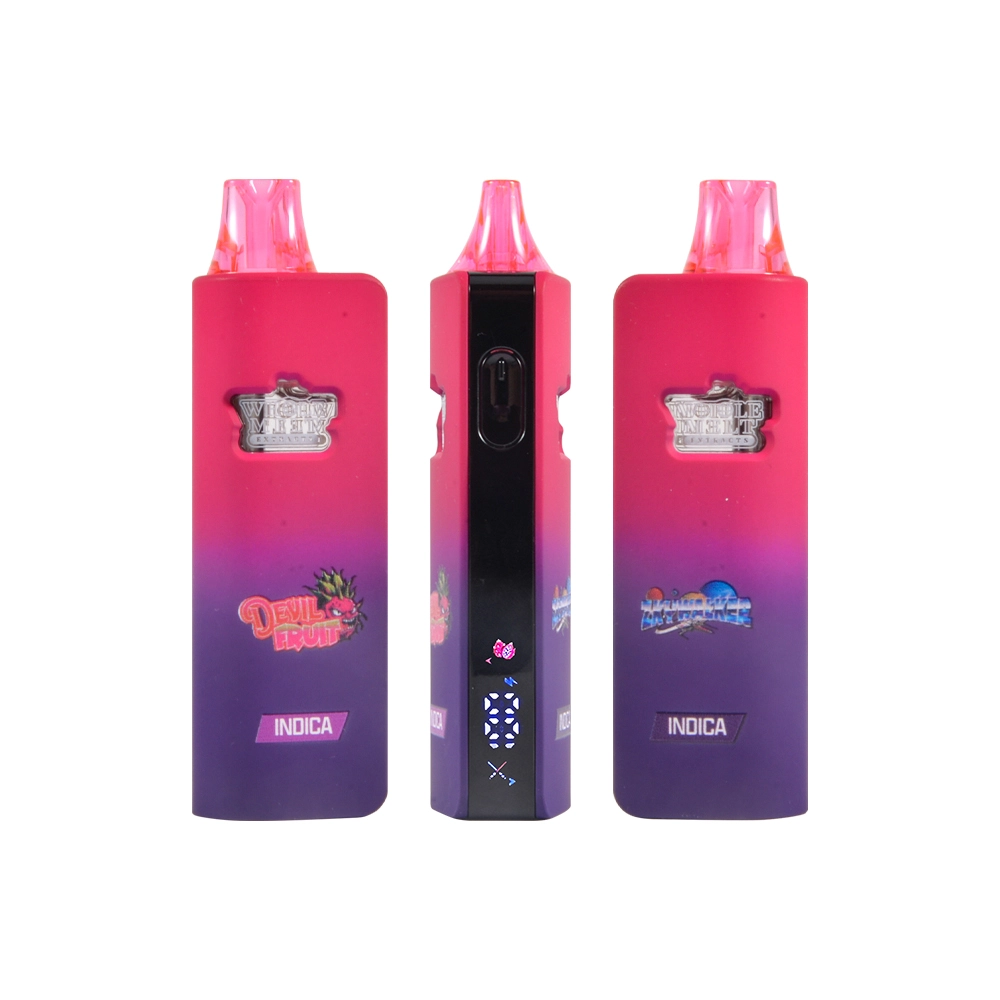
Whole Melt V7 1g Dual Chamber Specs Explained: 0.5g+0.5g, 450mAh, Bottom USB-C, Screen & Top-Fill
Scope (B2B / hardware-only, empty device): The most up-to-date “spec sheet” style info for Whole Melt V7 1g dual chamber is currently published by wholesale suppliers rather than a single official OEM datasheet. The newest listing I found with a clearly dated spec summary is Feb 28, 2026, and it matches the core specs shown on a second wholesale listing—so the numbers below reflect the most consistently published current spec set.
1) What “1g dual chamber” means here: 0.5g + 0.5g
On current wholesale pages, the “1g” V7 dual chamber is specified as Tank Volume: 0.5g + 0.5g (two chambers totaling 1g).
Buyer note: Listings often use “g” as shorthand; your PO should also include the tank volume format exactly as published (0.5+0.5) to prevent mix-ups with 1+1 dual-chamber SKUs.
2) Core specs (the “most cited” V7 1g configuration right now)
Capacity & structure
-
Dual chamber: 0.5g + 0.5g
-
Top filling (top-fill architecture)
-
Tank material: PCTG
Power & charging
-
Battery: 450mAh (14300)
-
Charging port: Bottom USB-C / Type-C
-
Voltage behavior: 3.4V constant voltage + preheat (listed as “Preheated Voltage: 3.4V Constant Voltage”)
Coil / electrical target
-
Resistance: 1.4Ω
UX features
-
Dual chamber with screen (screen + dual chamber called out as a feature)
-
Activation: Button
“Empty only”
At least one current supplier page explicitly labels it empty only (no oil included).
3) Why these specs matter for returns (what actually breaks at scale)
450mAh + bottom USB-C = fewer “dead” complaints… if the port is solid
A big chunk of returns in rechargeable disposables are not true failures—they’re port fit / intermittent contact / low-charge misdiagnosis. Because V7 is marketed as 450mAh and bottom Type-C, your receiving team should treat charging behavior as a first-class QC gate.
Fast receiving test (per sampled unit):
-
Cable seats firmly (no wobble / angled insertion)
-
Plug in for 5–10 minutes → confirms charge acceptance
-
Unplug/replug once → should resume charging consistently
Screen consistency reduces confusion—unless UI changes silently
Listings emphasize “with screen,” but screen UI can drift by batch (segment layout, icons, behavior while charging). That’s why “screen present” is not enough—your PO should lock a screen/UI reference photo from the approved sample.
0.5+0.5 chamber systems add “left/right parity” failure points
Dual-chamber platforms introduce extra QC needs:
-
one side tighter airflow than the other
-
chamber isolation issues (cross-bleed)
-
selector/button behavior confusion (if applicable)
Even if your end users never think in those terms, those are the root causes behind “one side doesn’t work.”
4) PO checklist (copy/paste for buyers)
If you want fewer surprises, lock these items in writing:
-
Tank volume: 0.5g + 0.5g (not “1g” generically)
-
Battery: 450mAh (14300) (no substitution without written approval)
-
Charging: Bottom Type-C (port location matters)
-
Electrical: 1.4Ω, 3.4V constant/preheat (include allowed tolerances)
-
Tank material: PCTG
-
Features: with screen, button activation (UI reference photo attached)
-
Change control: “No silent changes to battery cell, charging board, screen UI, materials, or tolerances.”
5) Shipping/compliance note (battery paperwork you should request)
Because these devices contain lithium cells, logistics partners may request a UN 38.3 test summary. PHMSA’s guidance explains the lithium battery test summary requirement (effective Jan 1, 2022, revised effective May 10, 2024) and provides a standardized framework for what must be made available.
If you want more vape for sale, you can go through those pages: cbd disposable vape| Whole Melt|whole melts disposable
0 Comments