
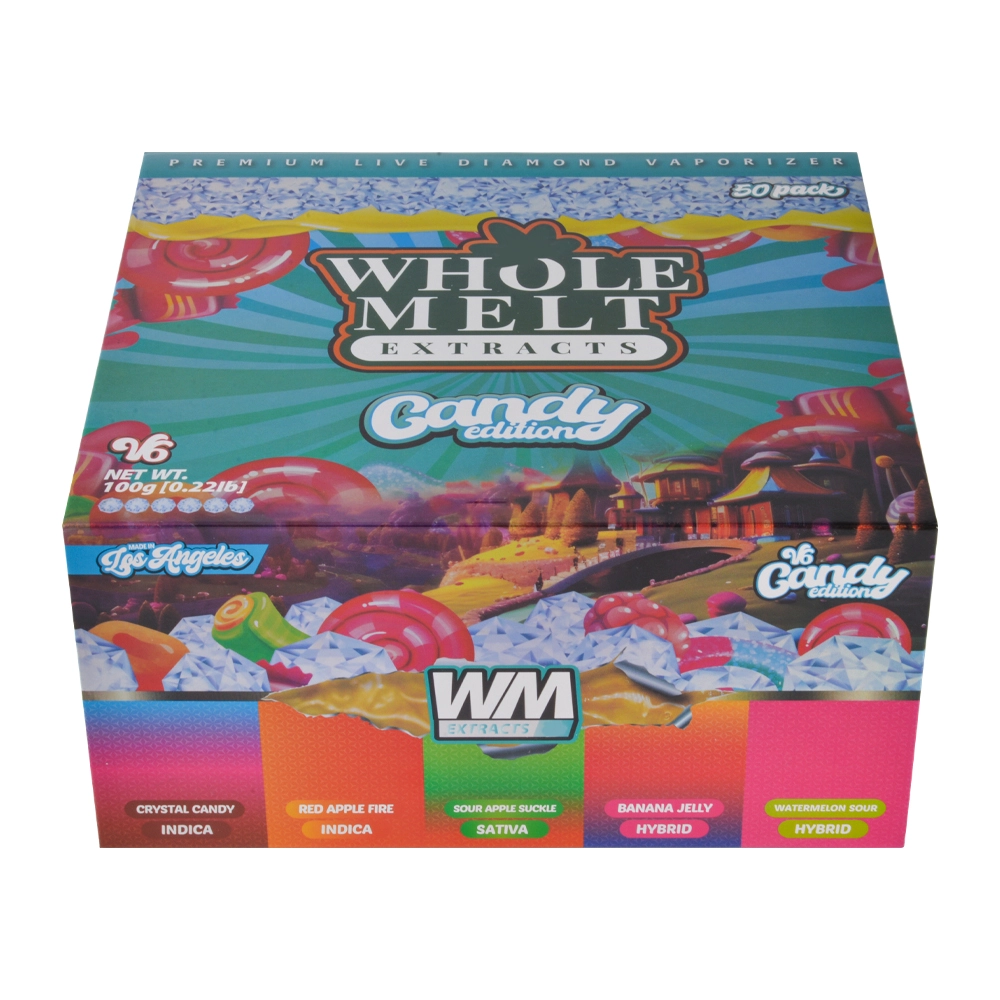
Whole Melt Extract Boxes: Products, Varieties, and What to Expect
We corrected inaccuracies (for example, live resin is typically solvent-based hydrocarbon extraction, not solventless) and removed unsubstantiated potency/price tables. You now get clear definitions, solventless vs. solvent-based distinctions, a step-by-step COA/lab verification workflow, and a compliance snapshot with authoritative references.
What These Boxes Typically Include
- Curated concentrates (e.g., full-melt/bubble hash rosin for solventless; live resin/“liquid diamonds” for solvent-based), plus compatible hardware and accessory items. Terminology varies by brand—always confirm the actual extract type on the COA/label.
- Not a safety guarantee: Hardware/extract claims must be matched to a batch-specific, lab-hosted COA covering potency and contaminant panels (heavy metals, residual solvents, pesticides, mycotoxins).
Varieties by Extraction: Solventless vs. Solvent-Based
Solventless (e.g., ice-water hash, rosin)
Made without chemical solvents; quality tiers (e.g., “full-melt”) reflect how cleanly the resin melts. Flavor depends on cultivar and handling—not all solventless is automatically “purer” or stronger.
Solvent-based (e.g., live resin, BHO)
Live resin is commonly produced via hydrocarbon solvents (butane/propane, i.e., BHO), then properly purged; reputable producers use validated processes to preserve terpenes. Calling live resin “solventless” is incorrect. :contentReference[oaicite:1]{index=1}
What to Expect (Realistic, Evidence-First)
- Potency & flavor vary by cultivar, process, and storage. Avoid relying on generic “90%+ THCA” tables unless the exact batch COA shows cannabinoid profile and LOQ/LOD/methods.
- Risk backdrop (EVALI 2019): CDC associated the outbreak primarily with vitamin E acetate in illicit THC products and advised avoiding informal sources. Do not use products from unverified channels; do not add cutting agents. :contentReference[oaicite:2]{index=2}
- Compliance baseline (U.S. hemp): Federally, “hemp” is ≤0.3% Δ-9 THC (dry weight). States impose additional rules on testing/labeling or restrict intoxicating derivatives—always check state regulators before purchase/possession/shipping. :contentReference[oaicite:3]{index=3}
How to Verify a Batch (COA & Accredited Lab)
COA — What a valid report shows
- Lab-hosted PDF/portal for your exact lot (QR deep-link), with sample metadata (product name, matrix, batch/lot, collection/receipt dates, chain-of-custody).
- Methods & scope for potency and contaminant panels (metals, solvents, pesticides, mycotoxins) and units; LOQ/LOD or uncertainty where provided.
- Lab’s accreditation mark/number and reference to its scope.
Lab — How to check accreditation
- Identify the accreditation body on the COA (e.g., ANAB, PJLA).
- Use that body’s public directory to confirm active ISO/IEC 17025 status for the lab and open the scope to ensure it covers the analyses on your COA.
- Understand that bodies participate in the ILAC MRA, which underpins international recognition of results. :contentReference[oaicite:4]{index=4}
Fast Red-Flag Screen
- COA is generic/reused or QR goes to non-lab pages; batch/lot on box ≠ COA.
- Missing contaminant panels; solvent residue present with no corrective action.
- Lab not found or “scope” doesn’t include the reported analyses.
Packaging & Authenticity (Information-Only)
- Tamper-evident/child-resistant packaging may be required depending on jurisdiction and product class; check local rules and avoid assuming compliance from design cues alone.
- For California as an example, distributors must follow representative sampling and batch testing before retail sale; see the DCC regulations and sampling checklist. :contentReference[oaicite:5]{index=5}
FAQ (≤90 words each)
Is live resin solventless?
No. Live resin is typically produced using hydrocarbon solvents (BHO/propane) and then purged; solventless examples are ice-water hash/rosin. Always confirm extraction type on the COA or brand technical sheet. :contentReference[oaicite:6]{index=6}
Does a QR code guarantee authenticity or safety?
No. Treat QR as a starting point. Verify that the COA is lab-hosted, batch-matched, lists methods/panels/LOQ, and that the lab is ISO/IEC 17025-accredited under an ILAC-MRA signatory. :contentReference[oaicite:7]{index=7}
What’s the safest way to source?
Avoid informal/illicit sources. CDC linked EVALI primarily to vitamin E acetate in illicit THC products; do not add cutting agents or use unverified products. :contentReference[oaicite:8]{index=8}
References (Authoritative)
- CDC — EVALI update & vitamin E acetate linkage; avoid informal sources (MMWR 2020): cdc.gov/mmwr/…/mm6903e2.htm and CDC archive. :contentReference[oaicite:9]{index=9}
- USDA/AMS — Hemp definition & enforcement (≤0.3% Δ-9 THC dry weight): Executive Summary & Legal Opinion and Enforcement portal. :contentReference[oaicite:10]{index=10}
- ILAC — About ILAC & ILAC-MRA; international recognition of ISO/IEC 17025 results: About ILAC | MRA & Signatories. :contentReference[oaicite:11]{index=11}
- Extraction accuracy — Live resin is hydrocarbon (BHO) solvent-based: Root Sciences explainer | Technology Networks guide. :contentReference[oaicite:12]{index=12}
- California example — Batch sampling & testing before retail sale: 4 CCR §15708 | DCC sampling checklist (2025). :contentReference[oaicite:13]{index=13}
- (Context) CRS explainer on 2018 Farm Bill hemp definition and legal issues (2025): CRS R48637. :contentReference[oaicite:14]{index=14}
0 Comments