
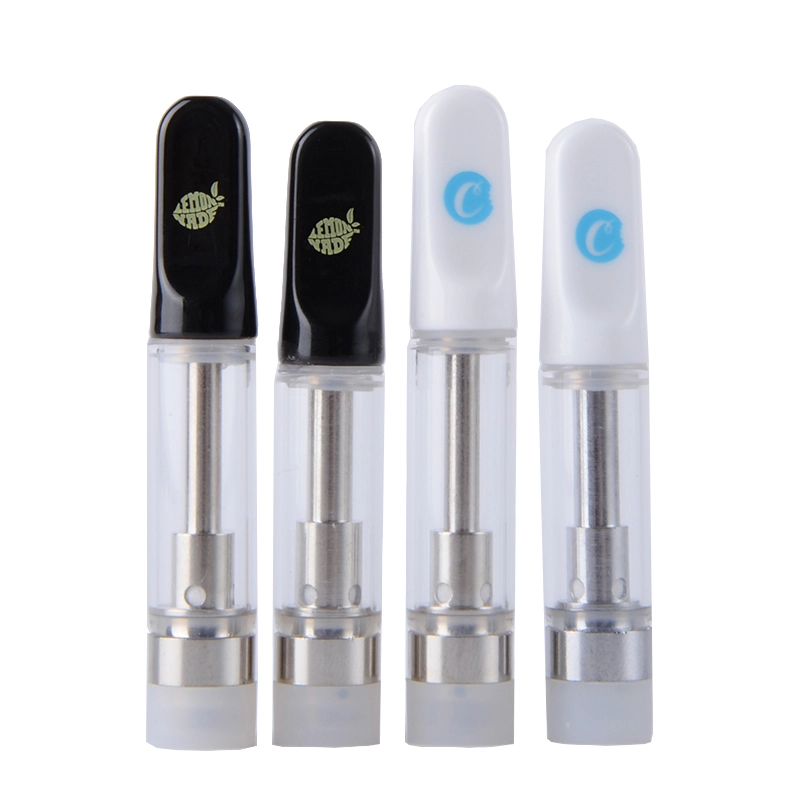
Vape Carts Wholesale — 510 Thread Ceramic Options (US, 2025)
Audience & scope. This guide is for B2B buyers evaluating empty 510-thread cartridges and compatible hardware options in the U.S. It focuses on the hardware (cartridge construction, heater type, battery/charging, packaging & transport). It does not evaluate cannabis or nicotine liquids and makes no health claims.
What “ceramic 510” really means (and what it doesn’t)
“Ceramic” refers to the heater/atomizer or wet-path components designed to distribute heat evenly at low power. Many buyers like ceramic cores for flavor stability and burn-resistance at reasonable wattages. However, “ceramic” is not a safety certification and does not automatically guarantee freedom from metal ion migration under all use conditions. Any material claim (metals, ceramics, seals) should be backed by test data from an accredited lab for the specific device design and filling conditions. Prefer labs accredited to ISO/IEC 17025 for the methods used; accreditation indicates method competence but is not a product approval.
Capacity note. When vendors list “1.0 mL” vs “1.0 g”: mL = volume, g = mass. Oils differ in density; do not equate them. Align your spec and SOPs to mass (g) for purchasing and yield calculations.
Spec checklist for 510 ceramic carts (buyer’s view)
-
Tank & seals. Borosilicate or equivalent tank, tight tolerance chimney/mouthpiece, elastomer selections rated for target terpenes/solvents.
-
Heater. Ceramic core with multi-port intake sized for your viscosity window; typical resistances 1.0–1.4 Ω for low-power draw.
-
Airflow. Consistent bore and anti-flooding geometry for thick oils; optional pre-heat on paired batteries.
-
Serialization. Unique ID/QR to support returns, anti-counterfeit, and lot tracing.
Method tip. Ask suppliers to publish methodology + raw data for leak/thermal/abuse testing (conditions, dwell times, pass/fail counts). “Perfect” numbers without methods are less useful than honest pass rates with photos and logs.
U.S. compliance landscape—what applies to hardware
-
If marketed as ENDS (nicotine): Devices and components fall under FDA’s tobacco framework. New products generally require a Premarket Tobacco Product Application (PMTA) and a marketing order before sale. Do not claim “FDA-approved”; FDA issues marketing orders, not blanket approvals.
-
If sold as empty cannabis hardware: Primary oversight is state (packaging/labeling at retail) plus federal transport rules for lithium batteries in rechargeables. Avoid implying FDA authorization for cannabis vapes; that’s not how the program works.
Child-resistant (CR) & tamper-evident (TE)
Many states require cannabis consumer packages to be child-resistant and tamper-evident at point of sale; multi-serving items often must remain CR after first opening. In the U.S., CR performance is defined by PPPA / 16 CFR 1700 testing; globally, ISO 8317 is the common benchmark for reclosable packages. If you sell finished, packaged goods, obtain CR evidence tied to your exact jar/closure or carton (not just a generic letter).
Battery, charging & electrical safety (for disposables/1-piece pens)
Where your 510 solution uses rechargeable pens or integrated batteries, evaluate at two levels:
-
Device-level electrical system: UL 8139 addresses electrical/heating/battery/charging safety for e-cigarettes and vaping devices (ANSI-recognized). It’s the widely referenced baseline for North America.
-
Cell-/battery-level: IEC 62133-2 sets requirements and tests for portable lithium batteries under intended and reasonably foreseeable misuse. Request a current report from a reputable lab.
Transport. Before air/ground shipment, lithium cells/batteries must meet UN 38.3. Keep on file the PHMSA Test Summary (TS) for each cell/battery design; U.S. guidance was updated in 2024.
Materials & substance restrictions (what RoHS/REACH do—and don’t—cover)
For electronics, many buyers request RoHS (EU restriction of hazardous substances) and REACH (EU chemicals regulation) evidence to manage heavy metals and SVHC risks in electrical/electronic equipment. These frameworks do not replace device safety standards (UL 8139/IEC 62133-2) or U.S. tobacco/cannabis rules, but they’re common contractual requirements for substance controls in components.
Packaging & distribution integrity
Even a well-built cartridge can fail in transit without the right packout. For parcel networks, run (or request) ISTA 3A on the final retail unit inside the shipper (drop, vibration, compression). This reduces DOA rates and leakage claims and is increasingly expected by national distributors.
Supplier comparison (how to compare without hype)
When you build a shortlist, score vendors on evidence rather than adjectives:
-
Documentation. UL 8139 (device) where applicable; IEC 62133-2 (cell) report; UN 38.3 Test Summary; CR certificates (16 CFR 1700 / ISO 8317) if you sell consumer-ready packs; RoHS/REACH declarations for EEE.
-
Process & QC. Incoming AQLs on seals/tanks; leak testing by lot; torque specs for mouthpiece closure; serialization & returns workflow.
-
Method transparency. Published test methods, environments, and pass/fail counts; teardown photos; charge/voltage-sag logs for rechargeable pens.
-
Commercials. MOQ tiers, lead times with holiday buffers, RMA terms, and the ability to lock artwork per state label rules when selling finished goods.
FAQ (2025, hardware-only)
Are ceramic cartridges “safer” than metal ones?
Not categorically. Ceramic is a design/material choice, not a safety certification. Safety depends on the entire wetted path (heater, seals, metals), power profile, and filling. Rely on device-specific test data from competent labs, not material generalizations.
Do empty 510 carts need FDA approval?
If marketed for nicotine as an ENDS, the product generally needs a PMTA marketing order before sale. Empty hardware marketed for state-legal cannabis is primarily governed by state packaging/labeling rules plus federal battery transport requirements—do not claim FDA “approval.”
Which certifications matter most for rechargeable pens?
At minimum, seek UL 8139 (device electrical system), IEC 62133-2 (cell/battery), and UN 38.3 Test Summary for shipping. For consumer packs, add CR evidence per 16 CFR 1700 or ISO 8317.
What about shipping damage and DOA rates?
Pilot ISTA 3A with your final packout before nationwide rollout to reduce leak and breakage claims. Keep corrective-action logs by lot.
Practical buying checklist (copy/paste)
-
Define the oil window (viscosity, intended power) → choose intake size/heater and battery profile accordingly.
-
Request documents before PO: UL 8139 (if rechargeable pen), IEC 62133-2 (cell), UN 38.3 Test Summary, CR certificate (if selling as consumer pack), and any RoHS/REACH declarations you require.
-
Run packaging pilots: ISTA 3A on your configured retail + shipper.
-
Lock labeling & artwork per state rules (if selling finished products). Avoid medical claims and “FDA-approved” phrasing. Publish your own methods & results (even small-n): leak/thermal/abuse testing with photos/logs. Buyers trust methods + evidence over slogans.
Citations (authoritative)
-
FDA CTP — PMTA for ENDS (and overview pages). Explains marketing orders and ENDS scope; avoid “FDA-approved” claims.
-
UL 8139 — Electrical/heating/battery/charging systems safety for vaping devices (ANSI-recognized).
-
IEC 62133-2 — Safety tests for portable lithium cells/batteries.
-
UN 38.3 — Lithium battery transport; PHMSA Test Summary requirement (2024 update).
-
PPPA / 16 CFR 1700 and ISO 8317 — Child-resistant packaging definitions and tests.
-
RoHS/REACH (EU) — Substance restrictions for EEE; useful for materials control, not a device safety substitute.
If you want to more Vape Carts Wholesale pls go through these pages:1000mg vape cartridge|500mg cartridge|metal cartridge
0 Comments