
The Complete Guide to Pre Roll Packaging: Materials, Designs, and Compliance Standards
This people-first guide explains common pre-roll packaging materials, child-resistant (CR) and tamper-evident (TE) design options, labeling/compliance snapshots (with state examples), Prop 65 warning context, food-contact basics for paperboard, and sustainability cues such as How2Recycle. It links out to authoritative standards and regulators so you can verify requirements directly. :contentReference[oaicite:0]{index=0}
Materials Overview (Pros, Considerations, Typical Use)
| Material | Pros | Considerations | Typical Use |
|---|---|---|---|
| Paperboard cartons / sleeves | Lightweight, printable, cost-effective; potential food-contact compliant builds when components fit 21 CFR Part 176 and related FDA pathways. :contentReference[oaicite:1]{index=1} | Requires correct coatings/adhesives if claiming food-contact suitability; moisture and crush resistance depend on caliper and structure. | Outer cartons, multi-pack sleeves, brand storytelling. |
| Rigid paper tubes / set-up boxes | Premium look, good crush resistance with proper board weight; TE labels easy to integrate. | Higher unit cost; must validate CR claims via PPPA/ISO/ASTM if marketed as child-resistant. :contentReference[oaicite:2]{index=2} | Giftable multi-packs, limited editions. |
| Plastic or glass doob tubes | Odor/moisture barrier; can incorporate CR closures; transparent inspection possible. | CR status depends on closure system + test method; recycling varies by resin and locale. Consider How2Recycle guidance on consumer-facing disposal. :contentReference[oaicite:3]{index=3} | Singles, sample packs, infused variants. |
| Tins / metal boxes | Durable, reusable, premium tactile; good shelf protection. | May need TE features (labels, bands) and/or CR mechanisms; weight and cost trade-offs. | Connoisseur multipacks; humidity-controlled inserts. |
Design Patterns: Child-Resistant (CR) & Tamper-Evident (TE)
CR fundamentals
In the U.S., the PPPA requires child-resistant “special packaging,” with performance verified under 16 CFR 1700.20 child and adult panels. Acceptance criteria include child-panel pass rates and adult-panel accessibility; the rule defines test procedures, timings, and instructions. :contentReference[oaicite:4]{index=4}
For reclosable CR packages (e.g., tins with push-and-turn lids), ISO 8317 specifies requirements and testing; ASTM D3475 classifies the motion types/tools typical for CR designs and is referenced by CPSC/EPA. :contentReference[oaicite:5]{index=5}
TE considerations
TE features don’t equal CR. Use void labels, break bands, shrink bands, or perforated seals to show evidence of opening. Pair TE with CR when required by your jurisdiction and product type (e.g., adult-use pre-rolls). Confirm local code text.
Labeling & Compliance Snapshot (U.S. examples)
Labeling and packaging rules for pre-rolls are set at the state level and differ widely. Always use the current regulator page for your jurisdiction. Two common examples are below (illustrative, not exhaustive):
| Jurisdiction | What to check | Where to start |
|---|---|---|
| California (adult-use) | Products must be in final, packaged & labeled form before transfer for regulatory testing; see DCC guidance and labeling checklists. Prop 65 safe-harbor cannabis/THC warnings may apply for inhalable products. :contentReference[oaicite:7]{index=7} | CA DCC: labeling requirements; OEHHA Prop 65 cannabis smoke/THC warnings. :contentReference[oaicite:8]{index=8} |
| Colorado (adult-use/medical) | Pre-rolls are treated as distinct products; testing and labeling must reference applicable harvest batches and rules. :contentReference[oaicite:9]{index=9} | Colorado MED rules & compliance tips (pre-rolled joints). :contentReference[oaicite:10]{index=10} |
Prop 65 Context for Inhalable Products (California)
OEHHA lists “cannabis (marijuana) smoke” as causing cancer (since 2009) and developmental toxicity (since 2020). In 2022 OEHHA adopted tailored safe-harbor warnings for cannabis smoke and Δ9-THC; businesses provide warnings when exposures are at or above thresholds per Prop 65. Use OEHHA’s fact sheets and regulations to craft label language. :contentReference[oaicite:11]{index=11}
Food-Contact Basics for Paper/Paperboard (if claimed)
If you present paperboard as “food-contact compliant,” ensure components fit the correct FDA pathways (e.g., 21 CFR Part 176 subparts and/or applicable clearances). Paperboard compliance is not automatic; adhesive/coating/ink systems matter. Maintain records showing component status per FDA guidance on determining regulatory status. :contentReference[oaicite:13]{index=13}
Sustainability & Disposal Cues
Use consumer-friendly, standardized disposal instructions where feasible. The How2Recycle program provides harmonized labels (e.g., Widely Recyclable / Check Locally / Store Drop-off / Not Yet Recyclable) with current design rules. Participation requires membership and material verification. :contentReference[oaicite:14]{index=14}
Spec Checklist (Design to Compliance)
- Form factor & protection: crush resistance, moisture/odor control, TE feature placement.
- CR need? If required, select a closure system with proven PPPA/ISO testing for the finished pack; retain test reports. :contentReference[oaicite:15]{index=15}
- Label set: statements, batch/harvest identifiers, universal symbols where applicable, Prop 65 if required; confirm state rule text (e.g., CA DCC, CO MED). :contentReference[oaicite:16]{index=16}
- Claims control: avoid “FDA approved packaging” or unsubstantiated “child-proof” language; use “child-resistant” only when substantiated via the correct standard. :contentReference[oaicite:17]{index=17}
- Food-contact (if any): map every layer to 21 CFR or other applicable clearances; keep supplier declarations and specifications. :contentReference[oaicite:18]{index=18}
- End-of-life: if using How2Recycle, validate structure against the latest guidelines; update if substrates/inks/closures change. :contentReference[oaicite:19]{index=19}
FAQ (≤90 words each)
Is a tamper-evident seal the same as child-resistant?
No. TE shows if a pack was opened; CR aims to limit opening by children while remaining accessible to adults, and must be validated (e.g., PPPA 16 CFR 1700.20; ISO 8317 for reclosables). :contentReference[oaicite:20]{index=20}
Do all paper cartons qualify as food-contact materials?
No. Paper/paperboard must use cleared components (e.g., 21 CFR Part 176) or other FDA pathways; adhesives, coatings, and inks must also be addressed. :contentReference[oaicite:21]{index=21}
Where do I find the latest labeling rules?
Check your state regulator’s current pages (e.g., California DCC labeling checklist; Colorado MED rules). Avoid relying on outdated third-party summaries. :contentReference[oaicite:22]{index=22}
Do I need a Prop 65 warning on pre-rolls?
If selling in California and exposures meet Prop 65 triggers, tailored cannabis/THC safe-harbor warnings may apply to inhalable products. Review OEHHA’s regulations and fact sheets. :contentReference
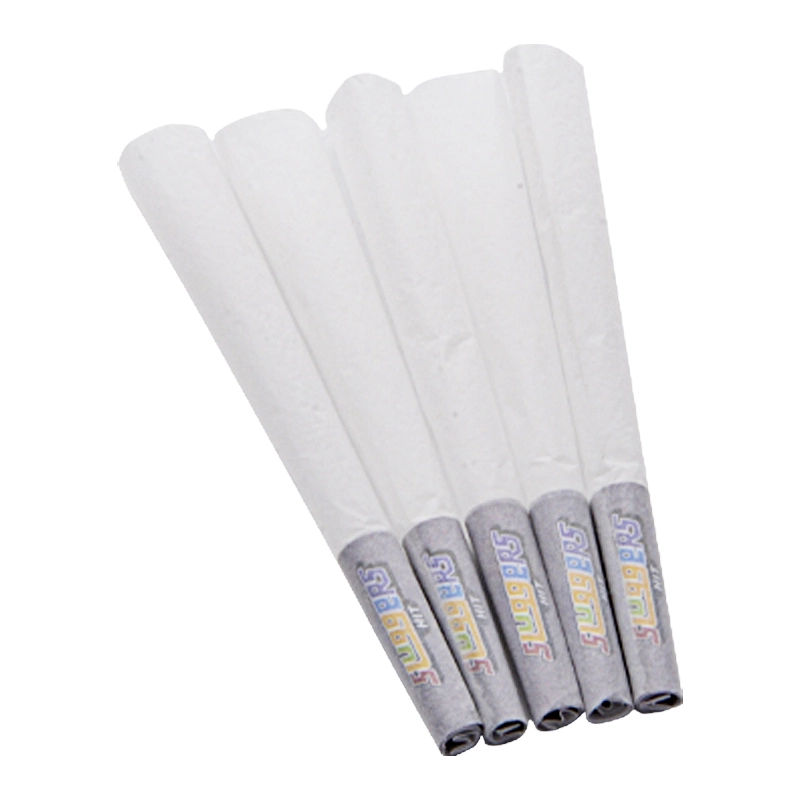
If you want to know more pre rolls, pls go through this pages:vape wholesale|empty disposable vape|sluggers pre rolls
References (Authoritative)
- Google Search Central — People-first content & Search Essentials. :contentReference[oaicite:24]{index=24}
- PPPA / CPSC — 16 CFR 1700.20 testing procedure & FAQs. :contentReference[oaicite:25]{index=25}
- ISO — ISO 8317 (reclosable child-resistant packaging). :contentReference[oaicite:26]{index=26}
- ASTM — D3475 child-resistant package classifications; CPSC/EPA references. :contentReference[oaicite:27]{index=27}
- California DCC — Labeling/packaging guidance (manufactured goods checklist). :contentReference[oaicite:28]{index=28}
- Colorado MED — Compliance tip: pre-rolled joints testing & labeling. :contentReference[oaicite:29]{index=29}
- FDA — Paper & paperboard components (21 CFR Part 176) & determining regulatory status. :contentReference[oaicite:30]{index=30}
- OEHHA — Prop 65 cannabis smoke/Δ9-THC warnings (safe-harbor regs & fact sheets). :contentReference[oaicite:31]{index=31}
- How2Recycle — Program/about & 2024 abbreviated guidelines. :contentReference[oaicite:32]{index=32}
0 Comments