
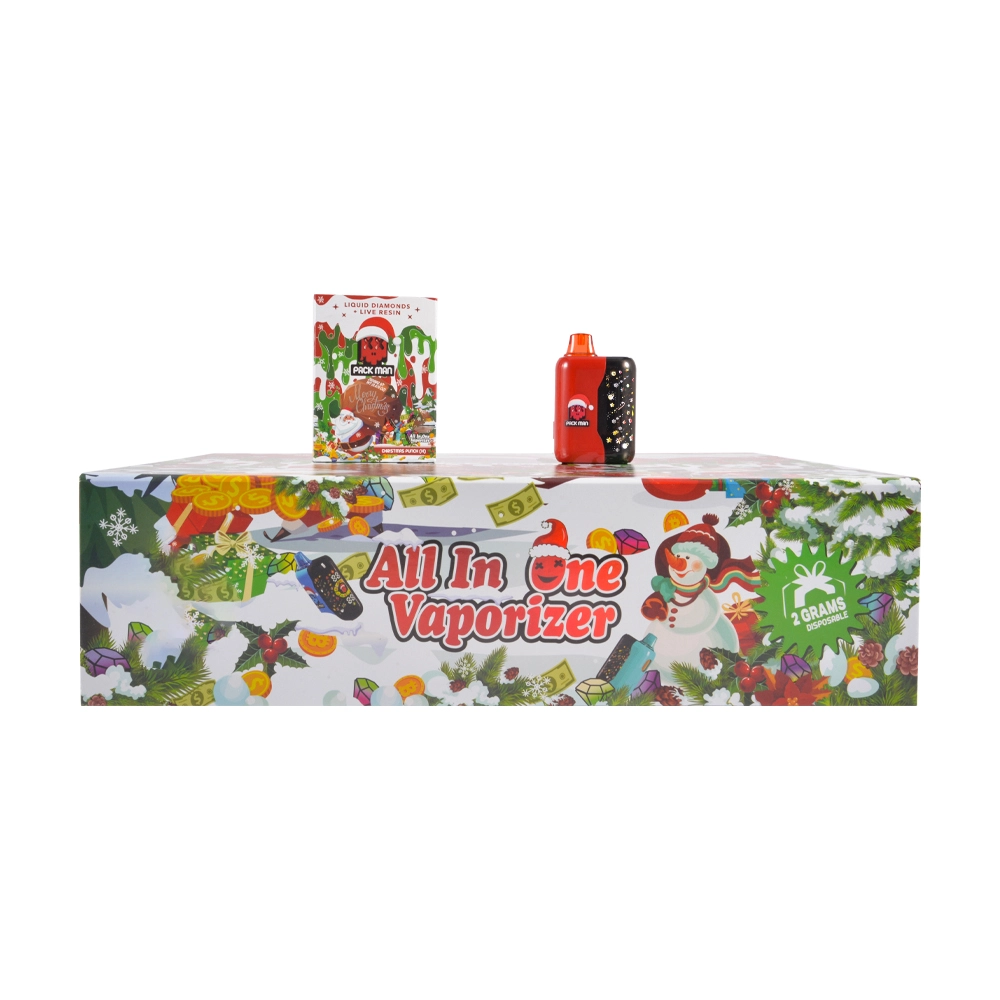
Packman Empty Disposable (Hardware Only): B2B Buyer Checklist, QC, and Shipping Docs (2025)
“Packman empty disposable” usually means a brand-ready, high-capacity disposable form factor sold as empty hardware (no oil, no nicotine, no THC). For U.S. B2B sellers, the hard part isn’t finding a listing—it’s preventing leaks, DOA units, shipping delays, and return spikes after you scale. (Yes, some buyers even type the misspelling packman empty dispisable—we’re talking about the same hardware-only category.)
Why “Packman Empty Disposable” Is a B2B Ops Problem (Not a Trend)
In wholesale, profit gets eaten by the boring stuff: chargebacks, customer complaints, and parcels that arrive damaged or delayed. The “Packman-style” segment often uses a rechargeable lithium battery and a compact heating system (even if sold as empty). That combination makes documentation, packaging integrity, and receiving discipline non-negotiable.
If you only optimize for aesthetics and unit price, you’re basically pre-ordering returns.
Core Specs to Demand (So Your Listing Looks Credible)
1) Tank class and intended fill volume
- Request a stated tank capacity (mL) and the manufacturer’s intended “class” (e.g., 2.0 mL class).
- Ask for materials in the tank/wetted path (e.g., PCTG/PC) and seal material grade (e.g., silicone).
2) Heater type and resistance range
- Most B2B buyers prefer porous ceramic in this category for consistent wicking on viscous formulations (where legal).
- Demand a nominal resistance + tolerance band (your QC will reference it).
3) Power system basics
- Battery capacity (mAh), charge port type (USB-C is the common expectation), and protections (over-charge/over-discharge/short-circuit).
- Charging current spec and any “auto cut-off” behavior (helps explain customer complaints later).
The Documentation Stack That Actually Saves You (2025)
UN 38.3 + Test Summary (TS) is the first gate
If the device contains a lithium battery, you want the UN 38.3 transportation testing evidence for the cell/battery type and a Test Summary (TS). In the U.S., PHMSA explains lithium batteries must undergo UN 38.3 design tests and highlights the test summary requirement (effective Jan 1, 2022; later revised effective May 10, 2024; guidance updated July 2024).
IEC 62133-2 evidence (cell safety) and UL 8139 expectations (device electrical safety)
IEC 62133-2 is a widely used safety standard describing requirements and tests for portable sealed secondary lithium cells/batteries. For vape devices specifically, UL offers testing to UL 8139 and describes it as evaluating the safety of electrical, heating, battery, and charging systems (recognized by ANSI and the Standards Council of Canada).
Packaging That Survives Real Shipping (Not Just Product Photos)
ISTA 3A: the baseline reference for parcel hazards
A lot of “mystery breakage” is packaging, not the device. ISTA describes Procedure 3A as a test for individual packaged-products shipped through a parcel delivery system (150 lb / 70 kg or less), suitable for standard/small/flat/elongated packages by air or ground.
Practical packaging checks for B2B (hardware-only)
- Inner tray fit: device should not rattle under shake test (reduces cracked tanks / cosmetic scuffs).
- Seal strategy: if you use shrink bands or seals, standardize placement so receiving can spot tampering fast.
- Carton labeling: carton IDs that map to your receiving log (this is how you isolate problematic lots).
QC That Reduces Returns: A Simple Receiving SOP
Step 1 — Count, photo, and log
- Photo sealed cartons on arrival; record PO#, supplier, carton IDs, and date/time.
- Open one carton first (pilot carton) before breaking down the full shipment.
Step 2 — Sample testing (start small, expand on any exception)
- Visual: cracks, misalignment, loose mouthpieces; consistent labeling.
- Electrical: charge indicator behavior; draw-activation consistency (if applicable).
- Leak risk: inspect seals and tank seams; flag any oily residue (for hardware-only, residue is still a defect signal).
Step 3 — Quarantine rules (non-negotiable)
Quarantine triggers:
- Any carton with repeated defects above your tolerance threshold
- Any mismatch between paperwork and physical goods
- Any abnormal charging behavior in multiple units
Table: What to Ask Your Supplier (So You Don’t Buy Blind)
| Item | What to request | Why it matters |
|---|---|---|
| Battery transport | UN 38.3 evidence + Test Summary (TS) for the cell/battery type | Reduces carrier delays and “no paperwork” disputes |
| Battery/device safety | IEC 62133-2 evidence (cell) and any UL 8139 testing/cert info (device electrical system) | Signals system-level safety focus (charging, protections, heating) |
| Packaging durability | ISTA 3A test approach (or equivalent) for your retail box + shipper | Fewer damaged arrivals and “box crushed” returns |
| Hardware spec sheet | Tank materials, heater type, resistance range, battery mAh, USB-C, indicators | Makes your listing defensible and your QC measurable |
| Lot traceability | Carton IDs + production batch/lot info | Lets you isolate issues without nuking your whole inventory |
Common Buyer Questions U.S. Sellers Should Answer on the PDP
Is it really “empty hardware only”?
Say it plainly on-page: no oil, nicotine, or THC included. This reduces misunderstanding and helps keep your catalog clean.
What docs can you provide for shipping/handling?
Publish what you can (or offer upon request): UN 38.3 TS availability, battery spec, and packaging approach. If a buyer is scaling, paperwork availability can be a deciding factor.
How do you handle DOA or defects?
A clear exchange policy and a receiving SOP (even summarized) builds confidence and reduces back-and-forth.
CTA: Want a 1-Page “Packman Empty Disposable” Receiving Checklist?
Turn this post into a printable SOP: sampling plan, quarantine triggers, supplier request list, and a receiving log template. Add your internal links here (related: battery paperwork guide • packaging integrity guide • returns & chargebacks SOP).
Tip: If you sell multiple “style” lines, keep one master QC template and swap only the spec fields (tank, heater, battery).
References (authoritative)
- PHMSA — Lithium Battery Test Summaries (UN 38.3 tests + TS requirement context)
- UL Solutions — UL 8139 e-cig/vape battery & electrical certification overview
- IEC — IEC 62133-2:2017 (portable lithium battery safety requirements & tests)
- ISTA — Test Procedures (Procedure 3A parcel shipment description)
- FDA — ENDS components/parts overview (context for device classification)
If you want more vape wholesale, you can go through those pages: thc vape pen|2 gram disposable|packman wholesale|packman disposable vape
0 Comments