
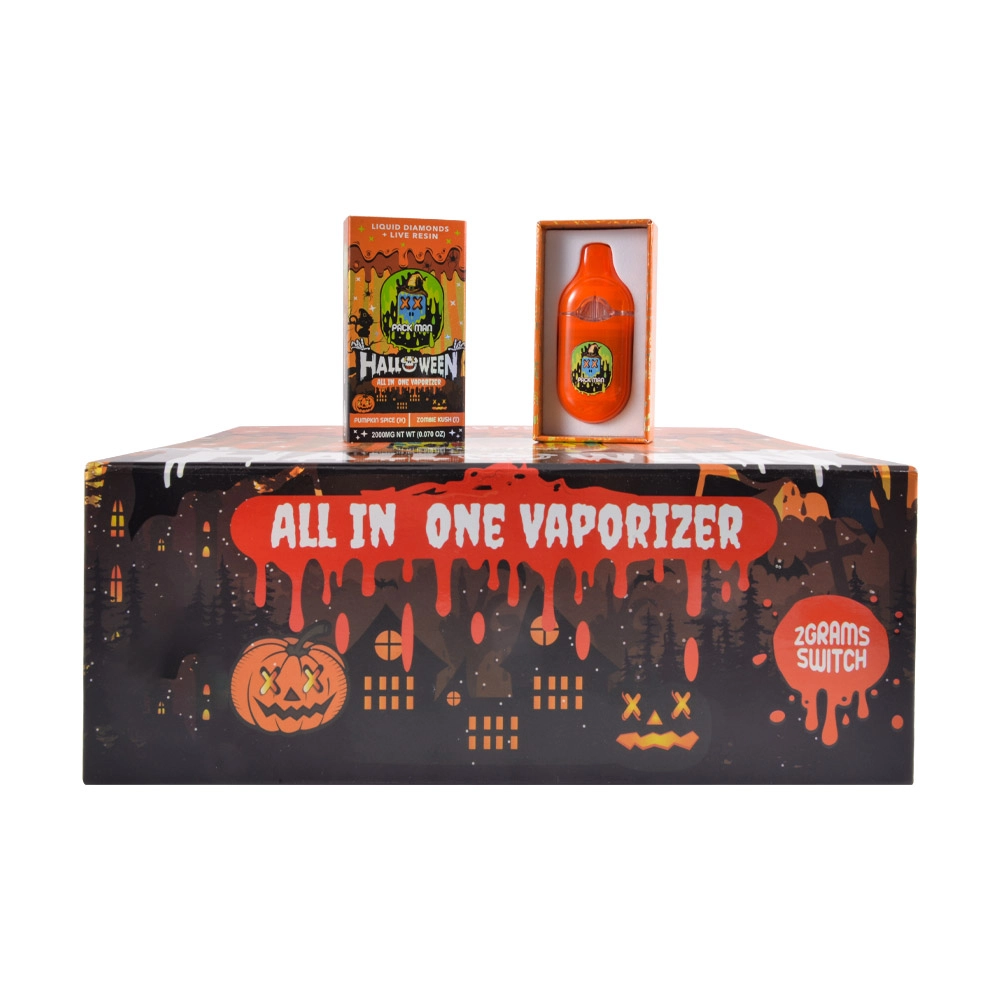
Pack Man Vape Review (2025): A New-User Guide to Buying Safely, Verifying Authenticity, and Avoiding Common Pitfalls
Scope & transparency (read first): This is a consumer safety and buying guide for people researching Pack Man–branded filled disposables in the U.S. We did not lab-test or teardown a specific batch or lot. Instead, we compiled a practical verification workflow and safety checklist any buyer can apply, and we cite primary authorities for licensing, safety, and QR-code hygiene. If you need a lab-style, batch-level review (COA matching, emissions, metals), use the verification steps below and rely on the retailer’s batch COA.
TL;DR (for first-time buyers)
-
Only shop licensed. Confirm your store’s state license before you pay; California’s official license search is here.
-
Verify the unit you’re holding. Scan the on-box code, confirm you land on the brand’s site (not a look-alike), and match batch/lot to the COA. Be alert to QR-phishing.
-
Remember the EVALI lesson. Past lung injuries were strongly linked to vitamin E acetate in illicit products—another reason to stick to licensed supply and real COAs.
-
Treat batteries and disposal seriously. Follow recognized device/battery safety practices and use e-waste/lithium recycling options; do not toss devices in household trash.
What “Pack Man” typically is (and what it isn’t)
At retail, Pack Man is encountered as a finished, filled, draw-activated disposable (various sizes/strains). If you see “empty” or “hardware-only” listings on B2B marketplaces, that’s a different category (OEM shells for licensed fillers). This guide covers consumer filled units you might buy at licensed shops—where batch COAs and packaging rules apply.
A brand-agnostic but Pack Man–ready verification workflow
Use this every time, at the counter, before checkout:
-
Retailer license check (state database). Ask for the shop’s license number and verify it on your state’s official tool (e.g., California’s Department of Cannabis Control search). If you can’t find a license, walk away.
-
Box inspection (macro). Look for consistent brand typography, correct warning icons, tamper-evident seals, proper age statements, and a scannable batch identifier/QR.
-
QR scan hygiene.
-
Scan the code. Confirm the URL domain is the brand’s official site (no URL shorteners, typo-domains, or sketchy redirects).
-
The FTC warns scammers embed malicious links in fake QR codes—don’t input personal data on unfamiliar domains.
-
-
COA match. On the verification page, open the Certificate of Analysis for the same batch/lot you’re holding. Check: sample name, matrix (vape), cannabinoids, and safety panels (residual solvents, heavy metals, pesticides). If the batch ID on the box doesn’t match the PDF, don’t buy.
-
Sensory red flags (post-purchase, first use). Harsh chemical taste, unusual color separation, chronic clogging/leaks, or missing lot info are stop-signals. Licensed retailers should exchange or refund defective units—ask.
Why licensed menus and real COAs matter
In 2019–2020, the CDC’s investigation into e-cigarette or vaping product use–associated lung injury (EVALI) identified vitamin E acetate in bronchoalveolar lavage fluid of many patients and recommended consumers avoid illicit THC vapes. While EVALI is a past outbreak, its lesson remains: provenance and composition matter, and COA-verified supply chains are your best protection.
Safety: battery handling, device standards, and disposal
-
Device/battery safety concepts. Safety guidance for e-cigarette electrical systems focuses on battery management, charging, and electrical design. The FDA summarizes device safety concepts and points to the UL 8139 standard for e-cigarette electrical systems (design-level testing against thermal/electrical hazards). Look for brands that publicly claim conformance and can produce third-party documentation on request.
-
Charging basics: Use the provided cable, charge on a hard, non-flammable surface, keep away from liquids/heat, and don’t leave charging unattended. (These practices align with general federal consumer safety advice for Li-ion devices.)
-
Do not trash the pen. Spent devices contain lithium-ion cells; EPA advises using e-waste or battery recycling channels to prevent fires and environmental harm (many municipalities and retail programs accept small Li-ion).
Red flags that commonly show up in counterfeits
-
No way to verify: Missing QR/batch, or codes that lead to unrelated domains. (Remember the FTC’s QR-phishing alert.)
-
License dodge: Retailer can’t produce a state license or the number fails search.
-
COA weirdness: PDF lacks lab accreditation header, batch ID mismatch, or safety panels omitted (only potency shown).
-
Too-good pricing/packaging errors: Deep under-market prices plus spelling errors, low-quality print, or non-compliant warnings.
Practical questions to ask at the counter
-
“What’s your state license number?” (Verify on the state portal.)
-
“Can I see the COA for this exact batch?” (Match lot/batch IDs.)
-
“Who’s the lab? Is it ISO/IEC 17025 accredited?” (Check on the COA header.)
-
“Do you accept returns for clogged/leaking units?” (Legit shops usually do.)
-
“What’s the recommended charging method?” (Should align with best-practice battery safety.)
What this article adds vs. a generic buyer guide
-
State-license verification link you can use immediately (DCC search, for CA buyers).
-
Evidence-based safety framing (EVALI context from CDC; device/battery safety concepts anchored to FDA/UL references).
-
QR-phishing hygiene from the FTC’s 2024 consumer alert (applies directly to fake “verification” labels). Environmentally sound disposal (EPA battery recycling guidance).
Limitations: We did not disassemble a Pack Man unit or validate a specific batch’s emissions or heavy-metals panel. Treat this as a safety-first purchasing guide, not a laboratory review.
If you already bought one and it seems off
-
Stop using it.
-
Document it: photos of box, batch code, receipts, and the URL your QR opened.
-
Report it: to your state regulator (e.g., CA DCC) and to the seller; consider filing with your state consumer protection office. If injury/illness occurred, seek medical care.
If you want more vape wholesale, you can go through those pages: thc vape pen|2 gram disposable|packman wholesale|packman disposable vape
0 Comments