
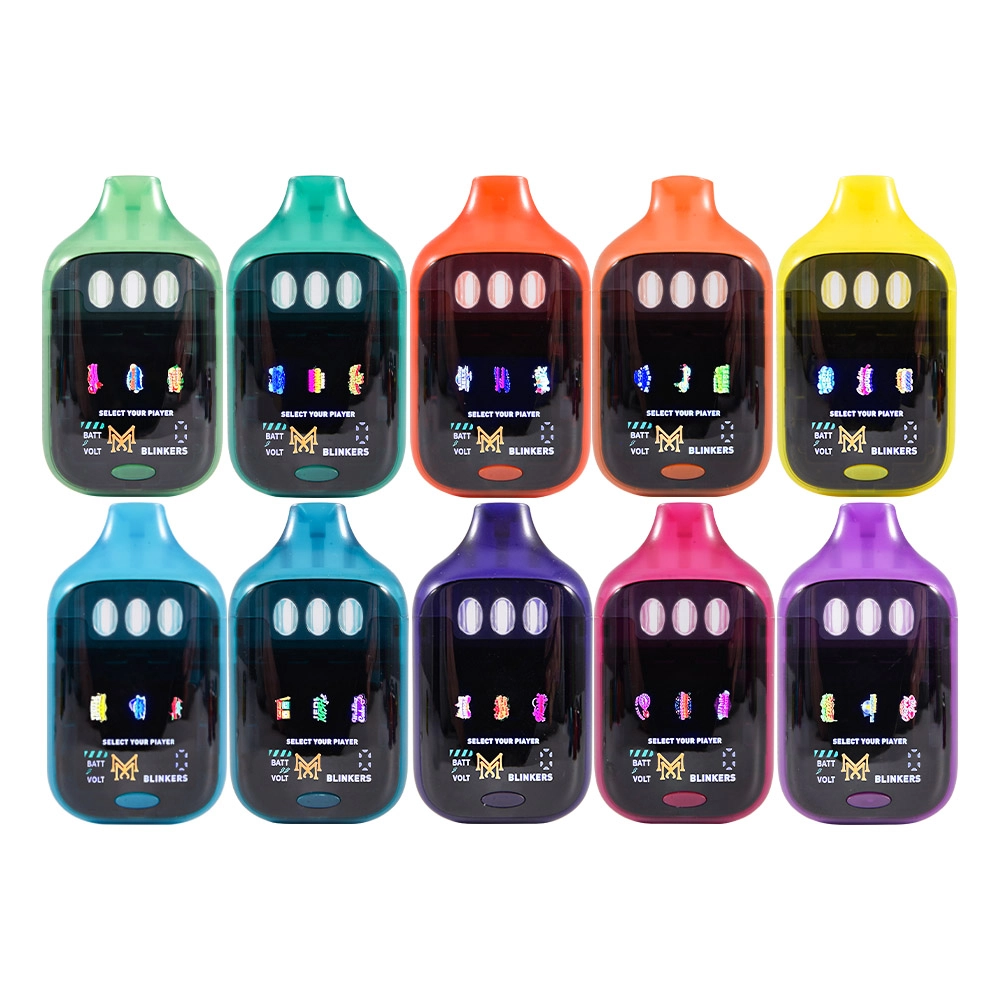
Muha Meds Triple Chamber Flavors & Lineup: How U.S. Buyers Choose the Right Combo
The Triple Chamber format is popular in the U.S. for one simple reason: it gives buyers variety without forcing them to carry multiple devices. Instead of committing to a single profile, customers can rotate between chambers (often three distinct flavor/strain-style profiles) and treat one device like a “mini lineup.”
But “more options” also creates more decision friction. U.S. buyers—whether they’re end customers, store managers, or brand operators—tend to ask the same set of questions:
-
Which flavor combos actually sell?
-
How do I avoid “weird” mixes that don’t get repeat purchases?
-
How do I name/label combos so customers understand them instantly?
-
How do I build a lineup that doesn’t over-index on one profile (e.g., too sweet, too gassy, too niche)?
This guide breaks down the professional way U.S. buyers choose a Triple Chamber “right combo”—not by hype, but by portfolio logic: demand patterns, shopper segmentation, and lineup architecture.
Why Triple Chamber Lineups Win in U.S. Retail
A Triple Chamber device can function like a sampler pack. In U.S. buying behavior, samplers sell because they reduce risk:
-
Lower “regret rate”: if a customer dislikes one chamber, they still have two options.
-
Higher perceived value: customers feel they’re getting a lineup in one unit.
-
More repeat potential: variety encourages longer engagement and higher repurchase intent.
For B2B buyers, the win is operational too:
-
Fewer SKUs vs. variety: a single SKU can serve multiple taste preferences.
-
Better shelf storytelling: one product answers multiple “mood” use cases.
-
Improved attachment: customers come back asking for “that 3-in-1 combo,” not a single flavor.
The 3 Core Flavor Families That Drive Most U.S. Demand
Triple Chamber combos that convert consistently usually anchor around three broad “families.” These aren’t strict flavor rules—think of them as shopper-friendly buckets that map to how people browse.
1) Sweet & Dessert (Mass-Market Comfort)
Examples of descriptors: strawberry, grape, cotton candy, vanilla, cake, cereal, milkshake
Who buys it: casual users, new buyers, sweet-preferring customers
Why it works: broad appeal, easy to understand, high “impulse buy” factor
Pro tip: Dessert-heavy combos should include at least one chamber that’s not overly sweet, to prevent “flavor fatigue.”
2) Fruit & Fresh (Daily Driver)
Descriptors: mango, watermelon, pineapple, berry, citrus, peach, apple, mint
Who buys it: repeat buyers, “all-day” users, customers who avoid heavy dessert notes
Why it works: perceived as cleaner, lighter, more repeatable
Pro tip: A fruit-forward chamber paired with a subtle “cool” note (mint/ice) often performs well, but don’t overload the lineup with “ice” variants—many U.S. buyers like it, but a meaningful segment dislikes cooling.
3) Gas / Herb / Classic (Enthusiast Signal)
Descriptors: OG, Kush, Diesel, Pine, Earthy, Gassy
Who buys it: experienced customers, flavor purists, “strain-style” shoppers
Why it works: communicates potency and authenticity in a familiar U.S. vocabulary
Pro tip: Even if your store skews sweet, keeping one gassy/herbal chamber in a triple combo helps attract the enthusiast without turning off mainstream customers.
The “Right Combo” Framework U.S. Buyers Actually Use
When U.S. buyers pick a Triple Chamber combo that sells, they’re usually optimizing for one of these strategies:
Strategy A: “One for Every Mood” (Balanced Trio)
Best for: general retail, broad online traffic, first-time buyers
Structure:
-
Chamber 1: Sweet/Dessert (comfort)
-
Chamber 2: Fruit/Fresh (daily)
-
Chamber 3: Gas/Herb (enthusiast)
This is the safest portfolio. It reduces “I chose the wrong one” anxiety and fits the largest number of shoppers.
Strategy B: “Two Core, One Twist” (Conversion + Differentiation)
Best for: stores with clear preference data (e.g., fruit lovers)
Structure:
-
Two chambers in the proven best-selling family (often Fruit + Sweet)
-
One chamber as a “twist” (a mild gas note, a cooling note, or a premium-style profile)
This mirrors how U.S. shoppers buy variety packs: mostly familiar, one adventurous.
Strategy C: “Theme Pack” (Branding and Repeat Identity)
Best for: brand-led drops, seasonal collections, social-first selling
Structure: a unified theme, e.g., Tropical Pack (mango/pineapple/coconut) or Dessert Pack (vanilla/cake/cereal)
Theme packs are great for marketing but riskier for repeat purchases unless the theme aligns with a strong existing demand cluster.
Common U.S. Customer Questions About “Flavors” (and How Pros Answer)
“Which combo is the most popular?”
Professionals answer with a segment-based recommendation, not one universal flavor:
-
New buyers: sweet + fruit + light fresh
-
Repeat daily users: fruit + fresh + mild sweet
-
Enthusiasts: gas/herb + fruit + one sweet (optional)
In U.S. retail, “most popular” often means “most broadly acceptable,” which is typically a balanced trio.
“Will this taste too sweet / too harsh?”
This is really about profile intensity. Pros manage intensity by:
-
limiting heavy dessert to one chamber,
-
including at least one “clean” fruit/fresh chamber,
-
avoiding three intense profiles stacked together.
“Do people actually use all three chambers?”
Yes—if the trio is designed with contrast. If all three chambers are similar (e.g., three candy flavors), many buyers treat it like one flavor and ignore the rest.
Lineup Design: How Many Combos Should You Carry?
For most U.S. operations, the professional approach is to start with a small, intentional lineup and expand based on sell-through.
Recommended Starter Lineup (3–5 combos)
-
Balanced Trio (Sweet + Fruit + Gas)
-
Fruit-Forward (Two fruits + one fresh/cool)
-
Dessert-Forward (Two desserts + one fruit cleanser)
-
Enthusiast-Friendly (Gas + Gas-lite + fruit)
-
Optional seasonal theme (limited run)
This lineup covers the majority of U.S. taste segments without bloating inventory.
Naming & Labeling: The Hidden Factor Behind “Right Combo”
Many Triple Chamber products fail not because the flavors are wrong—but because customers can’t understand what they’re buying in 3 seconds.
Best practices U.S. buyers prefer
-
Clear chamber mapping: “Ch1 / Ch2 / Ch3” printed or shown in listing images
-
Simple descriptors: don’t overcomplicate with poetic names only
-
Consistent flavor taxonomy: Fruit vs Dessert vs Gas should be obvious
-
Avoid near-duplicate names: “Strawberry Candy” vs “Strawberry Sweet” confuses shoppers
If you’re selling online, make sure the product title or first two lines of the description immediately clarify:
“Three distinct profiles in one device—pick your combo based on taste family.”
Quality Signals Buyers Look for (Beyond Flavor)
Even though your blog topic is “flavors & lineup,” U.S. buyers often bundle flavor choice with trust questions:
-
Consistency from batch to batch (a repeat-purchase driver)
-
Leak/clog resistance (nobody wants a great flavor that doesn’t pull)
-
Charging reliability and indicator clarity
-
Coherent airflow and chamber switching experience
If any of those fail, flavor becomes irrelevant. In practice, the “right combo” is the one that tastes good and performs reliably.
A Simple Decision Checklist U.S. Buyers Use
If you want to choose (or build) a Triple Chamber combo that sells, use this checklist:
-
Does the trio cover at least two flavor families?
-
Is one chamber a “cleanser” profile (fruit/fresh) to reduce fatigue?
-
Can the customer understand the three chambers instantly from the label/listing?
-
Does the lineup include a balanced option for first-time buyers?
-
Are you keeping the lineup tight enough to learn from sell-through data?
If you want more vape in USA, you can go through those pages: empty disposable vape|2ml disposable|muha meds wholesale|muha meds disposable bulk
0 Comments