
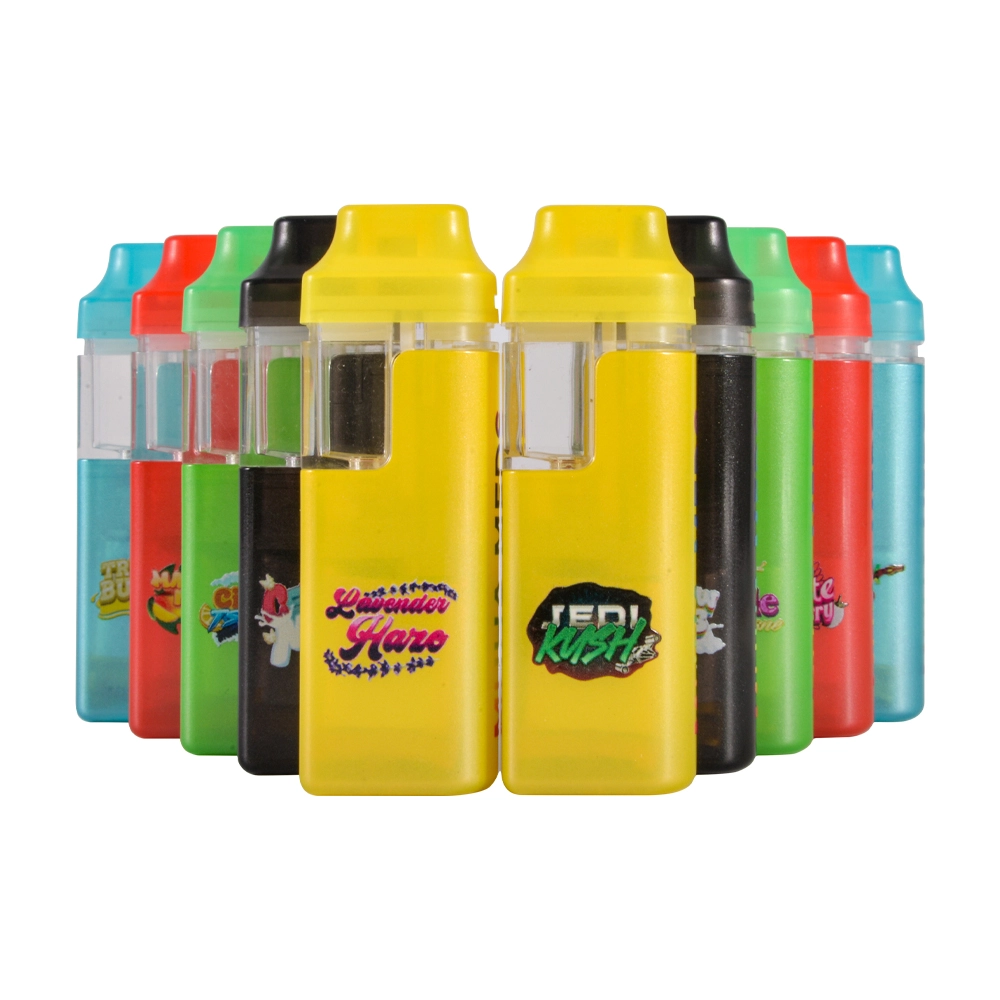
Metrc & Batch Tracking Explained: What Retailers Ask Before They Stock Muha Meds
If you’ve ever had a retailer pause an order and ask “Do you have the Metrc info and batch paperwork?”, they’re not being difficult—they’re protecting themselves. In 2025, retailers want traceability they can defend: the ability to map what arrived, where it came from, what identifier it carried in track-and-trace, and how fast you can isolate a problem lot if something goes wrong.
What Retailers Mean by “Metrc” (Not Just a Barcode)
In regulated U.S. cannabis markets, retailers often use “Metrc” as shorthand for track-and-trace proof. Metrc-based systems assign unique identifiers (UIDs) to inventory items so the state can track movement through the licensed supply chain.
Why this matters before a retailer stocks Muha Meds
- Onboarding checks: a buyer wants to confirm the product can be received properly (and won’t cause reconciliation headaches).
- Dispute defense: if there’s a complaint, they need to show what UID/package arrived on which manifest and when it was received.
- Recall isolation: “Which batch/lot/package UID is affected?” is the first operational question during a quality issue.
Batch/Lot vs Package UID vs SKU: A Plain-English Map
Most retailer frustration happens because sellers mix up terms. Here’s the clean mapping that makes conversations easier:
Four identifiers that are NOT the same thing
- Batch/Lot: a production grouping you use to isolate quality issues (often printed as a lot number or batch code).
- Metrc Package UID (tag/label): the track-and-trace identifier attached to a regulated inventory unit in Metrc.
- Manifest/Transfer ID: the shipment record that moves packages between licensed facilities.
- SKU/UPC: your commerce identifier (inventory/accounting). Helpful for sales—not a substitute for Metrc UID in regulated flows.
Practical rule retailers expect you to follow
Your proof must connect these layers: SKU → Batch/Lot → Package UID → Transfer/Manifest → Receiving record. If one link is missing, the buyer assumes “messy source” or “commingled inventory.”
The Retailer Pre-Stocking Question List
1) “What’s the traceability chain?”
- Which licensed entity did it come from (name, license ID, address)?
- Which transfer/manifest moved it?
- Which package UIDs are in the shipment?
2) “Can you separate stock by batch/lot?”
- Do you commingle cases from different sources?
- Can you isolate a specific lot within hours if needed?
3) “What do you do when there’s a discrepancy?”
- Short count / broken seals / mismatched labels.
- Do you quarantine and document, or do you “figure it out later”?
4) “Do you have an authenticity workflow?”
Even when the topic is Metrc, buyers still ask about verification and documentation: How to verify Muha Meds (QR + scratch code).
Transfer + Manifest + Receiving: Make-or-Break Checks
Retailers care about receiving because it’s where mistakes become permanent. Both regulators and Metrc best-practice guidance emphasize verifying what physically arrived against what the manifest says—and handling variances correctly.
Receiving checks retailers expect (minimum standard)
- Match package UIDs: the UID on the package/label matches the manifest line item.
- Match quantity/weight: confirm what arrived is what was shipped, and record variances correctly.
- Reject or correct discrepancies: don’t “accept now, fix later” if the shipment is clearly wrong.
Why this is not theoretical
Regulators have documented real enforcement scenarios where staff did not verify that received products matched the manifest/Metrc, and the expectation was that mismatches should have been rejected on arrival.
Common Corrections & Adjustments (and Why Buyers Care)
Corrections happen in every real operation. The issue is pattern + documentation. Retailers get nervous when they see frequent “edits” without a clean reason code and evidence trail.
The correction categories buyers worry about
- Package quantity adjustments: “We counted it wrong” must be backed by a receiving record and photos.
- Transfer/manifest fixes: wrong package added, wrong destination, wrong amounts.
- Inventory reconciliation: physical inventory must match electronic inventory—buyers assume risk if you can’t reconcile consistently.
How to look controlled (not suspicious)
- Use a standard “exception log” for every mismatch (photos + who/when/why + resolution).
- Limit who can edit tracking records; keep an internal audit trail (staff initials + timestamp + case ID).
- Never commingle quarantined inventory back into sellable stock.
The “Proof Pack” Retailers Expect (Template Included)
Think of a Proof Pack as a single folder that answers 80% of onboarding and dispute questions. Build it once per PO. When a buyer asks “Can you prove it?”, you don’t argue—you attach the Proof Pack.
Proof Pack Template (copy/paste table)
| Proof Pack Item | What Retailers Want to See | Best Practice |
|---|---|---|
| Supplier identity | Legal entity, address, license details (if applicable) | Store as a PDF snapshot + link to official registry (where available) |
| Invoice + packing list + PO | Exact SKUs, quantities, dates | Name files using a standard pattern (e.g., PO-####-Supplier-Date) |
| Transfer/manifest record | Manifest/transfer ID; shipment details | Screenshot/PDF export + receiving confirmation |
| Metrc Package UID list | UIDs included in the shipment | Keep a UID roster per master case (case ID → UID list) |
| Batch/Lot mapping | Which batch/lot corresponds to which cases/SKUs | SKU → batch/lot → case IDs (no commingling) |
| Receiving photos | Outer case label, seals, inner layout, UID close-ups | Use a fixed “photo station” so images are consistent and readable |
| Exception log | Discrepancies + quarantine + resolution | Include timestamps, staff initials, and supplier response trail |
| Testing/COAs (if required) | Batch-linked COA and lab identifiers | Never use generic or mismatched COAs; store per batch/lot |
A Practical Receiving SOP (10–15 Minutes per Master Case)
Tools
- Case-ID labels (Date + Supplier + PO + Case #)
- Phone camera + fixed lighting photo station
- Verification log (Sheet/ERP intake module)
- Quarantine shelf/bin (physically separated)
Steps (run every time)
- Assign case IDs before opening (example: PO-1201-SUPA-CASE03).
- Photo the sealed case (labels + seals), then photo the inner layout.
- Sample plan: check 3–5 units or packages per case (increase if supplier is new or packaging varies).
- Verify identifiers: confirm the UID/package labels match the transfer/manifest info.
- Log outcomes: pass/fail + notes + who performed the check.
- Quarantine exceptions immediately; do not commingle.
Pass/Fail decision rule
If there’s a UID mismatch, unexplained variance, or broken seal: quarantine first, then resolve with documentation. Retailers trust process more than promises.
What to Say When Retailers Ask “Can You Prove It?”
Email script (short + confident)
Subject: Traceability & Receiving Proof Pack for PO-#### (Muha Meds)
Hi [Name] — Attached is our Proof Pack for this PO: invoice/packing list, transfer/manifest record, package UID roster, batch/lot mapping, and receiving photos. We also included our exception-log template (blank) showing how we quarantine and resolve any variances at receiving. Let me know if you want a sample set from the next inbound shipment for your compliance team to review.
What NOT to say
- “It’s fine, everyone sells this.” (Retailers hear: “no controls.”)
- “We don’t track by batch.” (Retailers hear: “no recall isolation.”)
- “We’ll fix it later.” (Retailers hear: “receiving risk.”)
FAQ
What’s the difference between a batch/lot and a Metrc package UID?
Batch/lot is your production grouping for quality control. The package UID is the track-and-trace identifier used to record regulated inventory movement. Retailers want both when they care about recalls and dispute defense.
What’s the fastest way to reduce onboarding friction?
Standardize your Proof Pack and receiving SOP. When a buyer sees consistent case IDs, consistent photos, and a clean UID roster per case, trust rises fast.
What should we do if the shipped amount differs from received amount?
Treat it as an exception: document, confirm variance correctly in the receiving workflow, and quarantine anything that can’t be reconciled immediately. Buyers care less that issues happen and more that you handle them consistently.
Do hardware-only products use Metrc?
Typically, track-and-trace flows apply to regulated cannabis inventory in licensed markets. If you sell empty hardware, retailers may still ask for batch/lot controls, QC records, and COAs (hardware metals/materials) to support safety and returns management.
0 Comments