
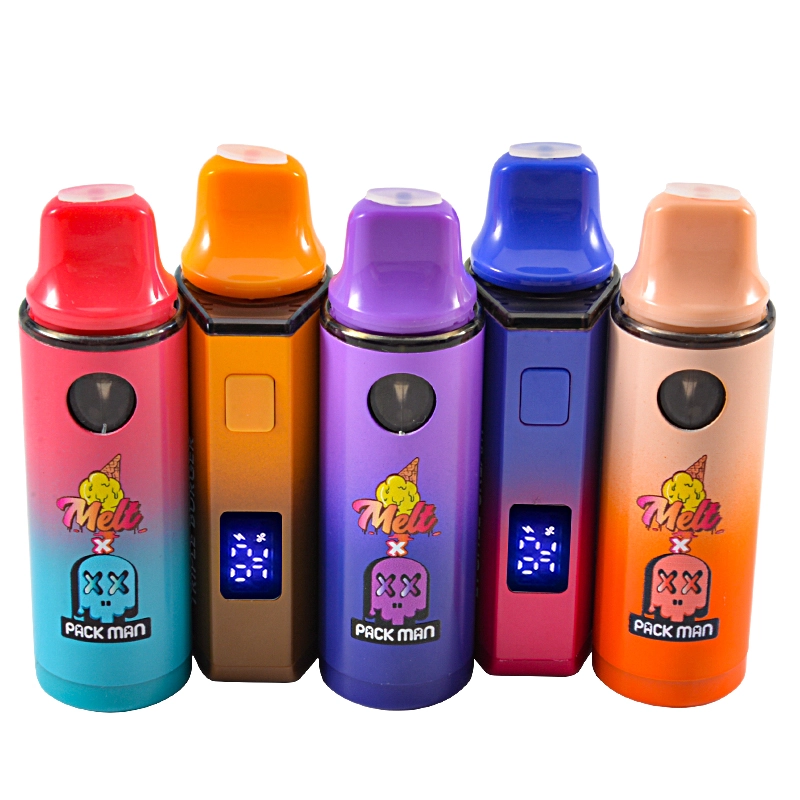
Melt Packman 1G: What New Vapers Should Know Before Buying
If you’re just starting to explore disposable vapes, the Melt Packman 1G form factor hits a sweet spot: compact size, familiar ergonomics, and enough capacity for most casual users without the bulk of larger devices. This guide covers what “1G” actually means, how Melt/Packman-style devices are typically built, how to verify authenticity before you buy, and the safety basics (charging, transport, and end-of-life disposal) that responsible retailers and consumers should follow.
Quick definition: In vape hardware, “1G” commonly refers to ~1 gram of oil capacity (many brands label by grams rather than milliliters). Some “1G” models are empty hardware shells intended for legal, compliant filling, while others are filled finished goods sold only by licensed retailers where permitted. Always confirm which you’re purchasing.
Why 1G is popular (and who it’s for)
-
Right-sized capacity: For new users and light/occasional vapers, 1G typically balances portability with runtime. Fewer refills/changes than “half-gram” devices, but not as heavy as 2G or 3.5G formats.
-
Lower learning curve: Most Packman-style devices are draw-activated (no buttons). That’s helpful for anyone moving up from disposables or switching from pods.
-
Feature creep, sensibly applied: The category increasingly adds USB-C recharging and straightforward status indicators (LEDs or minimal displays). These are quality-of-life improvements, not toys—clear battery cues reduce mid-day surprises.
Tip: If you’re buying empty hardware (shell only), you’ll need a compliant filling workflow, appropriate oil viscosity, and proper capping/aging. If you’re buying filled devices, purchase only from licensed retailers in your state.
Core build characteristics to look for in Melt/Packman 1G hardware
Because model names and sub-series can vary by supplier, evaluate the hardware rather than just the brand name:
-
Coil & airflow: Modern 1G disposables typically use ceramic heating elements and tuned airflow to maintain flavor and reduce spitback. Ask your supplier about inlet size and wicking spec if you plan to fill thicker oils (e.g., live resin).
-
Power & recharging: USB-C charging is now common; it’s faster and more durable than legacy micro-USB. Look for clear charge indicators to avoid deep-discharging the cell.
-
Tolerances & sealing: Pay attention to mouthpiece fitment, gasket quality, and cap torque. Good sealing reduces oxidation, clogging, and leakage during transport.
-
User signals: Even a simple LED can communicate pre-heat or fault states. Minimal status cues help beginners avoid dry hits.
Hardware safety note: Many reputable brands test electrical systems against UL 8139, a safety standard focused on e-cig electrical, heating, battery and charging systems. Ask your supplier which safety standard(s) they follow and request documentation where possible.
Authenticity matters: how to avoid counterfeits
Counterfeit devices remain a real risk across the disposable category. Before you pay:
-
Verify the retailer license (for filled products). California shoppers can use the Real CA Cannabis map/search to find licensed retailers; similar tools exist in many legal states. Licensed menus reduce the risk of fake listings and mislabeling.
-
Scan smart: QR codes printed on sealed packaging can route you to batch/COA pages—but QR codes can be spoofed. The U.S. FTC warns consumers to watch for QR phishing; always check the URL destination and avoid scanning random stickers or codes sent via unsolicited messages.
-
Batch/COA match-back: The package batch number should match the online Certificate of Analysis (if provided by the brand/retailer for filled products). If it doesn’t match, don’t use it.
Safety first: what we know (and don’t)
-
Health background: In 2019, U.S. clinicians investigated EVALI cases; evidence implicated vitamin E acetate in illicit/informal THC cartridges. While that episode is not a verdict on all vaping, it’s a lasting reminder to avoid unverified supply chains and to use licensed, lab-tested products where legal.
-
Battery & charging: Look for products designed/tested to recognized standards (e.g., UL 8139 for device electrical safety) and avoid damaged/overheated devices. Do not charge overnight or on flammable surfaces.
-
Transport/shipping: Cells used in these devices are subject to lithium-battery transport rules; wholesalers should hold UN 38.3 test summaries for cells they ship by air. (Ask your supplier for documentation.)
Disposal: Do not toss spent devices into household trash. The EPA recommends using local e-waste or battery recycling programs to keep lithium cells and residuals out of landfills/waterways.
Buying checklist for Melt Packman 1G (empty or filled)
For empty hardware (B2B or DIY-legal contexts):
-
Request a spec sheet (coil type, inlet dimensions, battery rating, USB-C, tolerances).
-
Ask about device-level electrical safety testing (e.g., UL 8139 or equivalent) and battery transport compliance (UN 38.3 test summary on file).
-
Confirm child-resistant / tamper-evident packaging solutions if you’ll be filling finished goods for a legal market (requirements vary by state).
For filled devices (consumers in legal markets):
-
Use your state’s licensed retailer locator (e.g., Real CA Cannabis in California).
-
Scan the on-box code on a sealed unit and verify the destination domain looks official; avoid scanning loose stickers or codes provided via DMs.
-
Match batch/COA where available and examine print quality, seals, and spelling—the simplest counterfeit tells.
Frequently asked quick answers
Does 1G mean 1 mL?
Not exactly. Many brands label oil mass (grams) rather than volume (milliliters). Formulations can vary in density; treat “1G” as an approximate capacity class and consult the device’s actual reservoir spec.
Are displays necessary?
Not required, but simple indicators (LEDs or a small screen) help beginners: battery alerts reduce unexpected shutdowns; pre-heat cues improve first-pull performance.
Can I travel with a Melt/Packman 1G?
Follow your local laws for cannabis products. If traveling with empty hardware containing lithium cells, comply with carrier rules (carry-on only for loose batteries; protections against short-circuit). Retailers/wholesalers shipping cells should maintain UN 38.3 documentation.
How do I dispose of it?
Use e-waste/battery recycling streams; don’t toss in household trash. Check your municipality’s drop-off guidance.
The bottom line
Melt Packman 1G devices work well as a first step into modern disposables: small, simple, and increasingly refined with USB-C and better airflow. Your best experience comes from authentic hardware and licensed retail (for filled products), plus a few safety habits—smart QR scanning, sensible charging, and proper disposal.
When in doubt, verify the seller, inspect the packaging, and favor brands/distributors that can show device-level safety testing and clear batch/COA traceability. That’s how beginners stay confident while they learn what they like.
If you want more vape wholesale, you can go through those pages: thc vape pen|2 gram disposable|melt packman wholesale|melt x packman dispo wholesale
0 Comments