
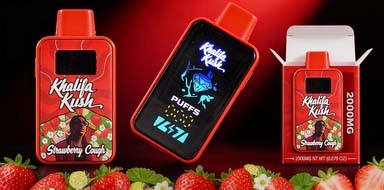
Khalifa Kush Empty Disposable Vape (Hardware Only) Leak-Proofing Guide for Procurement
You want fewer returns and more repeat orders when buying empty Khalifa Kush disposable vape hardware. Careful hardware checks and clear rules for suppliers are very important. The table below lists materials that help stop leaks and keep the product good:
|
Material Type |
Benefits |
|---|---|
|
Advanced Ceramic Core |
Heats cleanly and well; stops burnt taste and keeps vapor flow steady |
|
Premium Borosilicate Glass |
No taste changes; keeps terpene profiles safe and makes flavor better |
|
Lead-Free Hardware |
Keeps it safe, stops leaks, and helps your brand look good |
Key Takeaways
-
Check seals and gaskets closely to stop leaks. Look for cracks or spaces before you take any batch.
-
Use a checklist when you check to make sure you do not miss leak spots. Checking the same way each time keeps the product good.
-
Ask suppliers clear questions about materials and checks. Talking clearly lowers the chance of getting bad hardware.
What Is a Leak in Khalifa Kush Hardware?
Leaks in Khalifa Kush disposable vape hardware can cause big trouble for your supply chain. It is important to know what makes a real leak, seepage, or condensation. This helps you not get mixed up and lets you make better choices when buying.
Leak vs. Seepage vs. Condensation
Condensate forms when you vape and the vapor cools down. It turns into drops made of water and a little e-juice. E-juice leakage is different. It happens when liquid comes out from places it should not, like the atomizer base. Here are some main differences:
Atomization sound: Condensate makes a 'gurgling' sound when heated. Leakage does not make this sound.
Liquid color: Condensate is dark brown. E-juice is light yellow.
Location: Condensate gathers where the pod meets the device. Leakage comes from the atomizing chamber or outside the cigarette holder.
You might see liquid by the mouthpiece and think it is a leak. Sometimes, it is only condensation. Seepage is when a little liquid leaks out slowly. This can happen if seals are loose or coils are not lined up right. A real leak lets liquid come out fast and can hurt the device or its box.
Common Buyer Misunderstandings
Many buyers mix up condensation and leaks. You may see drops at the mouthpiece after vaping a lot. This is usually from heavy condensation, not a broken device. Other mistakes people make include:
-
Loose seals or coils that are not lined up can let liquid leak into the airflow.
-
Heat and pressure changes can push liquid through small spaces. This can make drops show up at the mouthpiece.
-
Vaping a lot can make a lot of condensation. This can slowly leak out.
Knowing these things helps you make good rules for Khalifa Kush hardware. It also helps you stop returns that are not needed.
Leak Points and Failure Modes
Typical Leak Paths in Disposable Vapes
You need to know where leaks usually start in disposable vape hardware. Most leaks happen at the seals and joints. O-rings and gaskets play a big role in keeping the device airtight. If you see damage, wear, or misalignment in these parts, leaks can occur. Sometimes, the materials used for gaskets and O-rings do not match well with the rest of the device. This mismatch can cause poor sealing and let liquid escape.
Here are some common leak paths you should check:
-
Around the mouthpiece and tank connection
-
At the base of the atomizer
-
Where the pod meets the battery section
-
Along the airflow channel
Poor sealing often comes from inferior or mismatched materials in gaskets and O-rings. Always inspect these parts closely. If you find any issues, adjust or re-seat them before moving forward.
Sample Checks and Bulk Rejection Criteria
You want to catch leaks before they reach your customers. Set up a clear process for checking samples and deciding when to reject a batch. Start by picking random units from each shipment. Look for any signs of liquid around the seals, mouthpiece, or airflow path.
Tip: Use a simple checklist to make sure you do not miss any leak points during inspection.
If you find more than 2% of units with leaks or faulty seals, you should reject the entire batch. This helps protect your brand and keeps your Khalifa Kush hardware reliable for every order.
Design and Material Impact
Seal and Gasket Quality
You should always check the seals and gaskets in each vape. Good seals keep the liquid inside and stop leaks. If you see damage or missing parts, change the cartridge right away. O-rings and airtight gaskets help keep the device safe when shipping and storing. Using strong materials like medical-grade plastics or stainless steel helps stop leaks over time. Always make sure every vape is made the same way. This means each one is high quality.
|
Key Factor |
Description |
|---|---|
|
Advanced Sealing Technology |
O-rings, gaskets, and airtight seals stop e-liquid from leaking when you use or move the device. |
|
Corrosion-Resistant Materials |
Medical-grade plastics and stainless steel keep leaks away by fighting rust and damage. |
|
Consistent Manufacturing Standards |
Quality checks make sure every vape works right and lowers leak risks. |
Oil Path and Airflow Structure
How the oil path and airflow are built can change leak rates. If the heating part or atomizer resistance is wrong, leaks can happen. Big holes may let more liquid out. Bad temperature control can also make leaks worse. Always check for broken seals and make sure the hardware fits your extract.
-
Look for broken or missing seals in the cartridge.
-
Make sure the hardware matches your extract.
-
Watch for big holes that could let liquid leak.
Tolerance and Assembly
Parts need to fit together tightly. If they do not, leaks can start. Check that every part lines up and fits well. Good assembly helps keep the vape from leaking. If you find loose or crooked parts, fix them before using the vape.
Supplier Red Flags
You need to watch out for warning signs when picking suppliers. Some signs are:
-
No real address or phone number
-
Asking for money in a personal account
-
No business history or reviews online
-
Prices that are much lower than normal
-
Bad communication or unclear answers
If you see any of these, pick a different supplier. This keeps your Khalifa Kush hardware safe from leaks and other issues.
Khalifa Kush Seal and Assembly Checks
Seal Inspection Steps
You need to check every seal before you accept any batch of disposable vape hardware. Start by looking at the O-rings and gaskets. Make sure they sit flat and do not show cracks or gaps. Use a flashlight to see inside the cartridge and around the mouthpiece. If you spot any loose or missing seals, set that unit aside. Press gently on the seals to test if they move or shift. Good seals stay in place and do not let liquid pass through.
Tip: Use a magnifying glass to spot tiny tears or uneven edges on seals. Small flaws can lead to big leaks later.
Manufacturers use special machines to test seals and airflow. Automated puff machines check vapor production. Vacuum chambers help find leaks by creating pressure differences. These steps make sure each device is sealed well and does not leak. When you follow strict inspection steps, you lower the risk of leaks in your supply.
Assembly SOP for Procurement
You need a clear process for checking assembly quality. Follow these steps to make sure every Khalifa Kush device meets your standards:
-
Visual Inspection
Look at each device for signs of poor assembly. Check for crooked mouthpieces, uneven seams, or loose parts. -
Seal Check
Press on the seals and gaskets. Make sure they do not move or show gaps. -
Fit Test
Assemble and disassemble a sample unit. Parts should fit tightly and not wobble. -
Leak Test
Fill a test unit with water or air. Shake and invert it. Watch for any drops or wet spots. -
Documentation
Record your findings. Note any units with problems and share results with your supplier.
Note: Always use the same steps for every batch. Consistency helps you catch problems early and keeps your brand strong.
Common Assembly Errors
You may find some common mistakes during assembly checks. These errors can cause leaks and lower product quality. The table below lists the most frequent problems and what they mean:
|
Error Type |
Description |
|---|---|
|
Cross-Threading or Improper Assembly |
Parts do not screw together evenly. This leaves gaps that break the airtight seal and let liquid leak. |
|
Manufacturing Defects |
Flaws like poorly fitted seals or uneven welds can cause leaks, even if assembly looks correct. |
If you spot these errors, you should reject the affected units. Careful checks help you avoid leaks and keep your customers happy.
Leak Testing and QC Methods
Leak testing helps you find problems before they reach your customers. You can use simple tests and clear reports to make sure your disposable vape hardware stays leak-free. This section shows you how to check for leaks and what to include in your quality control (QC) process.
Pre-Procurement Leak Tests
You should always test samples before you buy a large batch. Pre-procurement leak tests help you spot weak seals or poor assembly early. Here are steps you can follow:
-
Visual Inspection
Look for cracks, gaps, or loose parts. Use a flashlight to check inside the cartridge and around the mouthpiece. -
Seal Pressure Test
Fill a sample unit with air or water. Seal the mouthpiece and apply gentle pressure. Watch for bubbles or drops. If you see any, the seal is not tight. -
Vacuum Test
Place the device in a vacuum chamber. Lower the pressure and watch for leaks. This test finds small leaks that you might miss with your eyes.
Tip: Always test at least 5% of your sample size. This helps you catch hidden problems.
Drop and Inversion Tests
You need to know if the hardware can handle daily use. Drop and inversion tests show how well the device holds up when moved or turned upside down.
-
Drop Test
Drop the device from waist height onto a hard surface. Check for cracks, loose parts, or leaks. Repeat this test three times for each sample. -
Inversion Test
Fill the device with air or water. Turn it upside down and shake it gently. Watch for any leaks from the mouthpiece or base. -
Temperature Cycle Test
Place the device in a warm area, then move it to a cool area. This test checks if temperature changes cause leaks.
Note: If you see leaks after these tests, do not accept the batch. Ask your supplier to fix the problem.
QC Report Essentials
A good QC report helps you track problems and talk with your supplier. You should include these items in every report:
-
Sample Size and Test Methods
List how many units you tested and which tests you used. -
Leak Failure Results
Write down how many units failed each test. Include photos if possible. -
Failure Mode Table
Use a table to show the type of leak, possible cause, evidence, and how you checked it.
|
Leak Failure Mode |
Possible Cause |
Evidence to Request |
On-Site Verification |
|---|---|---|---|
|
Mouthpiece Leak |
Loose O-ring |
Photo of O-ring placement |
Visual and pressure test |
|
Base Leak |
Poor weld or seal |
Close-up of weld area |
Water fill and inversion |
|
Airflow Leak |
Misaligned gasket |
Assembly video or images |
Disassembly inspection |
-
Action Steps
Write what you will do next. For example, reject the batch, ask for repairs, or approve the shipment. -
Supplier Feedback
Share your findings with your supplier. Ask for a response or plan to fix the issue.
Always keep your QC reports organized. Good records help you solve problems faster and keep your Khalifa Kush hardware reliable.
Supplier Communication and RFQ
Talking clearly with your supplier helps you get good hardware. You must ask the right questions and set simple rules. Doing this lowers leak risks and keeps your Khalifa Kush hardware safe.
Key Questions for Suppliers
You should ask suppliers direct questions before ordering. Here are some important ones:
-
What materials do you use for seals and gaskets?
-
Can you provide test reports for leak-proofing?
-
What is your process for quality checks before shipping?
-
How do you handle returns or defective batches?
-
Can you show photos or videos of your assembly process?
These questions help you find suppliers who care about quality and do things the right way.
Specs and Tolerances to Request
You need to set clear specs and tolerances in your RFQ (Request for Quotation). This helps suppliers know what you want and makes mistakes less likely. Here are some things to include:
-
Pick brands that have a good record for design and making products.
-
Ask for visual checks of seals and how the device is built before shipping.
-
Request proper storage and careful handling during transport.
-
Set limits for filling so the device does not leak.
-
Ask for gentle handling to keep the device in good shape.
Tip: Always write your specs in easy words. Use numbers and clear language. This helps suppliers follow your rules.
|
Table 2 - RFQ Field Table |
Specs |
Tolerances |
Sampling |
Packaging |
|---|---|---|---|---|
|
Example Field |
Example Spec Value |
Example Tol. |
Example Qty |
Example Pack |
Clear, spec-based communication helps you avoid problems and build trust with your supplier.
Batch Testing and Documentation
Sampling Plan
You need a strong sampling plan to catch leaks before they reach your customers. Start by choosing a random group of devices from each batch. This helps you spot problems early. Customization plays a big role in effective testing. You should adjust your plan based on the device type and how people use it. For Khalifa Kush disposable vape hardware, focus on these steps:
-
Select samples from different parts of the batch.
-
Test for leaks using visual checks and pressure tests.
-
Use a phased approach. Stop testing if you find major issues. This saves time and resources.
-
Record every result in a logbook or digital file.
Tip: A tailored sampling plan helps you find hidden problems and keeps your products reliable.
Batch Isolation and Traceability
You must keep each batch separate to track problems. Batch isolation means you store and label each group of devices with a unique code. This makes it easy to trace issues back to the source. If you find leaks, you can quickly identify which batch caused them.
|
Batch Code |
Date Received |
Sample Size |
Leak Rate |
Action Taken |
|---|---|---|---|---|
|
KK-202406A |
06/01/2024 |
50 |
2% |
Accepted |
|
KK-202406B |
06/05/2024 |
50 |
5% |
Rejected |
Keep clear records for every batch. You can use spreadsheets or tracking software. Good traceability helps you solve problems fast and improves your supplier relationships.
Receiving and Acceptance SOP
Unboxing and Visual Inspection
When you get a shipment of Khalifa Kush empty disposable vape hardware, start by opening the boxes carefully. Always use new corrugated boxes to keep the devices safe. Check each box for any dents or tears. If the box is damaged, leaks are more likely. Look for courier bags inside the boxes. These bags give extra protection. Take out the devices and look at them under bright light. Make sure every device is clean and not broken. Do not accept any device with cracks or loose parts.
Seal and Leak Checks
Now, check the seals and look for leaks. Hold each device and press gently on the mouthpiece and base. The seals should stay in place and not have any gaps. Use a magnifying glass to find small tears or rough edges. Shake the device a little and see if any drops or wet spots appear. If you see liquid, put that device aside. Test some devices by filling them with air or water and turning them upside down. The devices should not leak or get wet.
Acceptance Checklist
Use a checklist so you do not forget any steps. This helps you keep your checks the same every time.
|
Checklist Item |
Description |
|---|---|
|
Use new corrugated boxes |
Makes the box strong and lowers the chance of damage. |
|
Avoid dents or rips |
Damaged boxes make leaks more likely. |
|
Use appropriate void fill |
Holds and covers the devices to stop damage and leaks. |
|
Ship in a courier bag inside a box |
Adds another layer of safety from leaks during shipping. |
|
Employ H-taping method |
Gives extra protection from leaks if there are problems inside the box. |
Tip: Always use this checklist when you get a shipment. Doing these checks every time helps you find problems early and keeps your hardware from leaking.
Troubleshooting Leaks
Root Cause Identification
You need to find the reason for leaks in Khalifa Kush disposable vape hardware. Start by checking the seals and gaskets. Look for cracks, gaps, or loose parts. Use a flashlight to see inside the cartridge and around the mouthpiece. If you see liquid near the airflow channel or base, this points to a seal problem. Sometimes, a flooded coil causes leaks. You can shake the vape gently to move the liquid. Blow lightly into the mouthpiece while holding the device upside down. Let the vape sit upright for a few minutes. This helps excess liquid settle and makes it easier to spot the leak source.
Tip: Always store the vape upright. This keeps liquid from flooding the coil and helps prevent leaks.
Immediate Actions and Supplier Feedback
When you find a leak, act fast to stop further damage. Cover the air intake holes with your fingers and take a few short puffs. This resets the sensor and clears excess liquid. Blow into the mouthpiece to remove any leftover liquid. If the coil is blocked, repeat the steps above. Store the device upright and check for leaks again.
You should record every leak you find. Take photos and write down the batch code. Share this information with your supplier. Ask for a response and request a plan to fix the issue. Use a table to track your actions and supplier feedback:
|
Action Taken |
Supplier Response |
Next Steps |
|---|---|---|
|
Leak reported |
Awaiting feedback |
Hold shipment |
|
Photos sent |
Investigation started |
Request replacement |
|
Batch isolated |
Solution proposed |
Approve or reject |
Note: Fast feedback helps you solve problems quickly and keeps your hardware reliable.
Procurement Mistakes to Avoid
Overlooking Specs
You must pay close attention to product specifications. Specs tell you what to expect from the hardware. If you skip this step, you risk buying devices that do not meet your needs. Always ask for detailed specs from your supplier. Check for seal type, material grade, and assembly method. Use a checklist to compare specs with your requirements.
Tip: Write down every spec you need before you contact suppliers. This helps you avoid confusion and mistakes.
Inadequate Testing
Testing helps you find problems before you ship products to customers. If you do not test enough units, leaks can slip through. You should test samples from every batch. Use visual checks, pressure tests, and drop tests. Record your results in a logbook.
-
Test at least 5% of each batch.
-
Use water or air to check for leaks.
-
Repeat tests if you find any issues.
A strong testing plan keeps your brand safe and your customers happy.
Ignoring Supplier History
Supplier history shows you how reliable a company is. If you ignore this, you may choose a supplier with poor quality or bad service. Always ask for references and check online reviews. Look for suppliers with a record of on-time delivery and low defect rates.
|
Supplier Name |
Years in Business |
On-Time Delivery Rate |
Defect Rate |
Customer Reviews |
|---|---|---|---|---|
|
Supplier A |
5 |
98% |
1% |
⭐⭐⭐⭐⭐ |
|
Supplier B |
2 |
85% |
5% |
⭐⭐⭐ |
Note: Reliable suppliers help you avoid leaks and keep your procurement process smooth.
You can make Khalifa Kush hardware more reliable by using these steps:
|
Strategy |
Description |
|---|---|
|
Understanding Common Causes |
Find out if problems come from bad quality, design mistakes, or user error. |
|
Advanced Sealing Technology |
Use special seals that fit well to stop leaks. |
|
Corrosion-Resistant Materials |
Pick strong materials so the device lasts longer. |
|
Optimized Airflow Path |
Build the airflow to keep pressure even and stop spills. |
|
Consistent Manufacturing |
Use strict checks for every batch you get. |
|
Best Practices for Handling |
Store the device standing up and do not let it get damaged. |
-
Regular checks help you find problems early.
-
Leak tests show if the product is safe and works well.
-
Looking at supplier history helps you avoid problems later.
-
Tests that do not break the device check if the package is strong.
Checklists and tables help you follow the same steps every time. Keep making your quality checks better for the best results.
FAQ
What is the most common cause of leaks in empty disposable vape hardware?
O-rings or gaskets that do not fit well cause most leaks. You should check these parts before you accept any shipment.
How can you quickly test for leaks during inspection?
You can fill the device with air or water, then shake and invert it. Watch for drops or wet spots near seals and joints.
Why should you keep records of leak tests and supplier feedback?
Records help you track problems and improve future orders. You can use tables or logbooks to organize your findings and supplier responses.
If you want more vape for sale, you can go through those pages: cbd disposable vape|2 gram disposable vape pen
0 Comments