
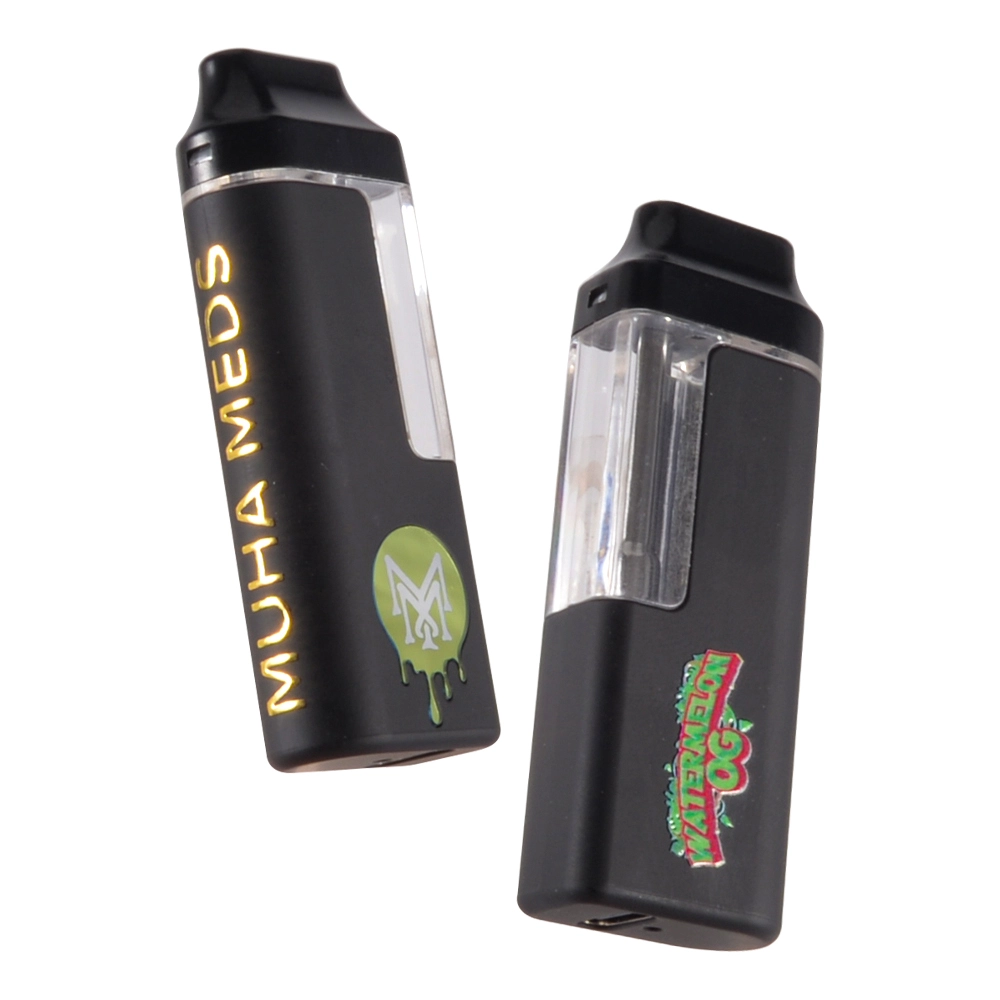
An evidence-based checklist U.S. buyers and store managers can actually useCounterfeits don’t just ruin margins—they create legal and safety exposure. This guide distills verifiable checks you can run in minutes to assess whether a Muha Meds disposable is authentic and compliant. Every claim below is sourced to a primary, authoritative reference so your staff can document what they did and why.
1) Start with the brand’s own verification flow (QR + scratch code)
Muha Meds maintains an official verification workflow. Genuine units ship with a verification sticker on the box: you scratch the code beside the QR, scan the QR, and enter the unique alphanumeric to confirm authenticity. Train your intake team to run this check on random samples from each case as part of receiving.
If you prefer to bookmark the brand’s hub for these checks, Muha Meds’ site exposes a “Verify” entry point (used alongside the QR/scratch process above). Keep these links on the receiving computer or tablet.
Why it matters: Counterfeiters can copy artwork; they struggle to maintain synchronized QR/token inventories that pass a server-side check. Capture screenshots of each verification result and attach them to your lot file.
2) Packaging and labeling must look “retail-final,” not provisional
Most state frameworks require cannabis goods to be in their final form and fully labeled before transfer to a licensed distributor for testing and retail. As a benchmark, California’s Department of Cannabis Control (DCC) publishes checklists that spell out what “final form” and outer-label completeness look like (e.g., primary panel elements). Use these as an intake rubric even if you’re not in CA—many states parallel the same logic.
Practical tells of trouble: over-stickers that obscure required panels, mismatched net contents/UPC vs. the outer box, generic barcodes without brand integration, or lot/batch fields left blank. When any of these appear, quarantine the case and escalate to the supplier for documentation.
3) Provenance must reconcile in seed-to-sale (METRC)
Before you accept a shipment from a licensed supplier, confirm that the Muha Meds lots on the manifest reconcile in the state’s seed-to-sale system (commonly METRC). Request the license number, transfer manifest ID, and package/UIDs; compare them against the regulator’s portal or your own licensee login. METRC is the state-mandated platform in many jurisdictions and is designed to track inventory from seed to retail sale.
Why it matters: If the numbers don’t match, you may be taking possession of inventory that isn’t in the regulated chain—an avoidable compliance risk.
4) Check for current state license status and disclosures
Do not skip the basic corporate hygiene: can your supplier show that Muha Meds (and relevant corporate entities) are properly licensed where you plan to sell—and that there’s no unresolved regulator action against the SKUs you’re buying? As a recent example, Michigan’s Cannabis Regulatory Agency (CRA) filed a formal complaint against BUDBRIDGE, LLC dba Muha Meds on Oct 29, 2025 (PDF and notice available from the state). Your due-diligence file should note any such actions and the supplier’s remediation steps.
Tip: Many regulators (including Michigan’s CRA) host searchable license/disciplinary portals so you can print-to-PDF and attach the current status to your receiving record.
5) Hardware safety paperwork (rechargeable disposables)
If the Muha Meds SKU you’re reviewing is rechargeable, request and verify the model-specific safety and transport documents:
-
UL 8139 report/certification for the electrical, heating, battery, and charging system of the e-cig/vape device. Ensure the model identifier in the report matches the physical unit you buy.
-
IEC 62133-2 safety test evidence for the Li-ion cell/pack used in the device (often provided as a CB report).
-
UN 38.3 Test Summary (TS) for the exact cell/battery to be air-shipped, aligned with the current IATA Lithium Battery Guidance year you’re shipping under. Carriers and forwarders routinely ask for this.
Why it matters: Even authentic product can be non-compliant if the paperwork doesn’t match the physical revision you’re receiving. Authenticity ≠ ship-readiness.
6) Mailability and logistics: don’t get tripped up by federal rules
If your operation involves shipping to consumers or moving inventory across state lines, review PACT Act and USPS rules. ATF’s PACT Act page explains ENDS obligations (registration, reporting, non-compliant list), and the USPS final rule clarifies that ENDS are nonmailable via U.S. Mail except for narrow exceptions. Plan private-carrier workflows accordingly; this is separate from brand authenticity but essential to lawful distribution.
7) Field inspection: fast red-flag checklist for your team
Use this 90-second intake routine on every case:
-
Box scan: run the QR + scratch-code verification on randomly selected units; screenshot results into the lot file.
-
Label sanity: confirm required outer-label fields are present and not obscured; box must present as retail-final.
-
Manifest match: reconcile package/UIDs against METRC (or your state system) before signing for the transfer.
-
Paperwork spot-check (rechargeable only): UL 8139, IEC 62133-2, and UN 38.3 TS model numbers line up with the physical SKU.
-
Escalate anomalies: inconsistent fonts/print quality, spelling errors, missing batch numbers, duplicate verification responses, or manifests that don’t reconcile—quarantine and request documents.
8) What to do if a unit fails verification
-
Quarantine the lot and document the failure (photos, video of the scan, and the serial/token you entered).
-
Contact the supplier with your evidence and a request for chain-of-custody documentation.
-
Notify the brand via its official channel (supply screenshots and the retailer’s license info)—brands often track counterfeit patterns and may advise next steps.
-
Report to your regulator if required by state rules, especially if the goods already reached shelves or consumers.
9) FAQ—short answers you can reuse with staff and customers
Does every authentic Muha Meds unit have scannable verification?
Yes—use the scratch code + QR process and enter the token on the brand’s verification page. Save the result to your lot records.
Our label looks different from a prior shipment. Is that a fake?
Not necessarily—brands revise art and compliance panels by state. The safer test is: does it verify online, does it meet the “final form/outer-label” checklist, and does it reconcile in METRC?
If the product is authentic, are we automatically compliant to ship?
No. Authenticity and logistics compliance are separate. For rechargeable disposables you still need UL 8139/IEC 62133-2/UN 38.3 evidence and you cannot use USPS for ENDS except under narrow exceptions.
Has Muha Meds appeared in regulator actions?
Yes—e.g., a formal complaint by Michigan’s CRA dated Oct 29, 2025. Many buyers will ask what was alleged and how it was remediated; keep links in your vendor diligence file.
Bottom line
Authenticity is a process, not a vibe. To protect your customers and your license:
-
Verify the code (QR + scratch) on sample units,
-
Demand “retail-final” labels that pass a published checklist,
-
Reconcile lots in METRC before acceptance, and
-
Keep safety/transport paperwork aligned to the exact rechargeable model you buy.
If a shipment can’t clear those basics, it doesn’t belong on your shelves—no matter how convincing the box looks.
If you want to more vape wholesale pls go through these pages:muha meds wholesale|muha meds disposable bulk|muha meds bulk 2025
0 Comments