
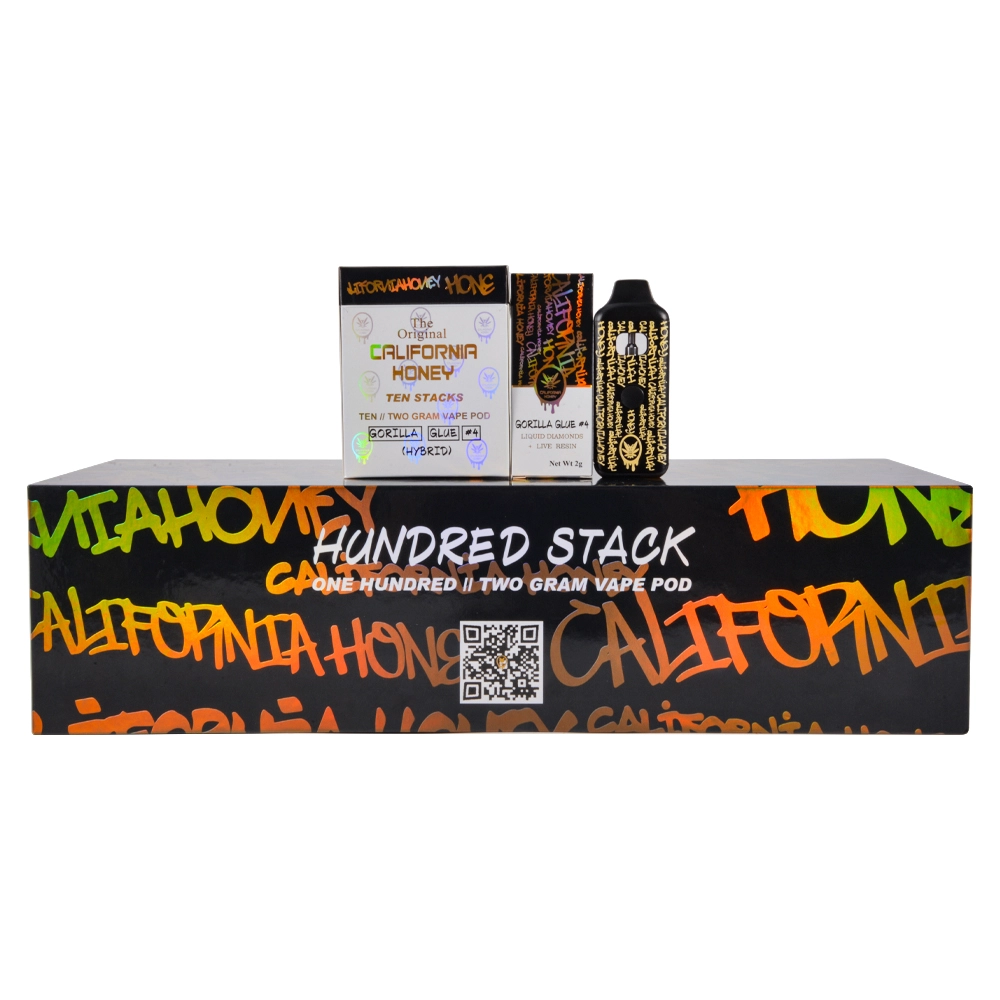
Is Your California Honey Fake or Real This Year
Scope (read first): This guide helps consumers verify the authenticity of cannabis products marketed under “California Honey”–type branding in California’s licensed market. It does not cover grocery “honey” (food). We won’t make health claims; instead we’ll show you how to confirm you’re buying from licensed sellers, how to use brand verification tools, and which packaging basics California requires.
1) Start with the seller: Licensed vs. unlicensed
Counterfeits most often surface outside the licensed system. Before looking at a package, confirm the retailer is licensed:
-
Use California’s official License Search Tool to locate and verify dispensaries. It’s updated daily by the Department of Cannabis Control (DCC).
-
You can also use Real CA Cannabis, DCC’s consumer campaign, which helps you find licensed stores statewide (and explains what “licensed” means). Some storefronts display Real CA signage/QR to point you to licensing info.
If a store isn’t in the DCC database, treat any “California Honey” product there as unverified.
2) Product-level authenticity: Do a true two-step check
Many brands secure products with a two-step system:
Step 1: scan the on-package QR to reach the product page.
Step 2: enter a hidden scratch-off code/PIN printed under a label to complete verification. This prevents simple QR reuse. (CannVerify documents this exact flow.)
Rule of thumb: a QR scan alone is not conclusive; you need the scratch/PIN match too. If the URL isn’t a brand/official domain, or the code was already used, treat the item as suspect. And never follow QR codes from flyers, emails, or loose stickers—use only the code on sealed retail packaging. The FTC warns scammers increasingly hide phishing links behind QR codes (“quishing”).
3) Packaging basics (what California requires)
California’s DCC says manufactured cannabis products must be packaged to prevent contamination and include specific safety features—notably child-resistant (CR), tamper-evident (TE), and (for multi-servings) resealable designs. Use DCC’s guides/checklists when you review a package:
-
CR performance comes from standards/testing, not marketing words. In the U.S., CR testing is defined under the Poison Prevention Packaging Act (PPPA) and 16 CFR Part 1700 (with child-panel effectiveness benchmarks). The CPSC’s PPPA pages explain the framework for “special packaging.”
-
TE: look for intact bands/seals that irreversibly break on first opening.
-
Labeling: batch/lot ID, required warnings, and compliant placement should match DCC’s labeling checklist.
Important accuracy fix: Do not apply the federal 0.3% delta-9 THC hemp threshold to California’s cannabis products. That 0.3% rule is about hemp under federal law; DCC-regulated cannabis products follow state cannabis rules (licensing, packaging, testing, labeling)—not the hemp threshold. When in doubt, rely on DCC resources.
4) Rapid authenticity checklist (save this)
-
Store is licensed in DCC’s search or via Real CA Cannabis.
-
Package is CR + TE (intact band/label; resealable if multi-serving).
-
Batch/lot + brand domain present and consistent with the box.
-
Two-step verification (scan + scratch/PIN) succeeds on a legitimate domain.
-
No “FDA-approved” language (that’s not how cannabis works); avoid claims that sound too absolute.
-
QR safety: only scan codes on sealed retail packaging; ignore stray QR codes.
5) Red flags for “California Honey” counterfeits
-
Retailer not licensed or won’t show license.
-
QR goes to a random domain (URL shorteners, file-sharing, unfamiliar TLDs) or asks for personal info/payment.
-
Scratch/PIN already used or missing entirely.
-
No batch/lot or labeling that doesn’t follow DCC’s placement/format basics.
-
Poor TE/CR—no band, flimsy cap, obvious reseal marks.
6) If you suspect a fake: what to do next
-
Do not use the product.
-
Return it to the point of sale and ask for the license number; if they refuse or it’s not in DCC’s database, file a complaint via the state’s license search portal.
-
Report phishing/QR abuse (if you were redirected to a fake site) and monitor accounts; the FTC outlines steps to protect yourself after scanning malicious codes.
7) Safety context you should know (why counterfeits matter)
During the 2019 EVALI outbreak, vitamin E acetate was strongly linked to lung injury cases and found in many THC-containing products from informal sources. The CDC advised against using THC vapes from friends/dealers or unregulated sellers. Licensed supply chains and transparent batch/lab reporting reduce this risk profile.
8) FAQs
Is this “FDA-approved”?
No. Cannabis vapes in California are regulated primarily by the state DCC (licensing, packaging, labeling, testing). “FDA-approved” language doesn’t apply here. Verify sellers via DCC tools and products via brand two-step systems.
Can a QR scan alone prove authenticity?
Treat it as Step 1 only. Complete the scratch/PIN step on the brand’s domain. If either step fails—or the URL looks wrong—assume it’s not authentic.
What packaging features should I always see?
Intact tamper-evident feature, child-resistant design appropriate to the product, and compliant labeling (batch/lot, warnings) per DCC checklists.
References (authoritative)
-
DCC License Search / complaints / store lookup (official).
-
Real CA Cannabis consumer campaign (what “licensed” means, how to find stores).
-
DCC Packaging & Labeling (CR/TE; labeling checklist PDF, 2024).
-
PPPA / 16 CFR Part 1700 & CPSC PPPA guidance (CR testing framework).
-
CannVerify two-step verification (scan + scratch/PIN).
-
CDC on EVALI / vitamin E acetate (why informal-market devices are risky).
-
FTC: QR-code phishing (“quishing”) warning (how to scan safely).
If you want more vape in USA, you can go through those pages: empty disposable vape|2ml disposable|California Honey|California Honey Disposable
0 Comments