
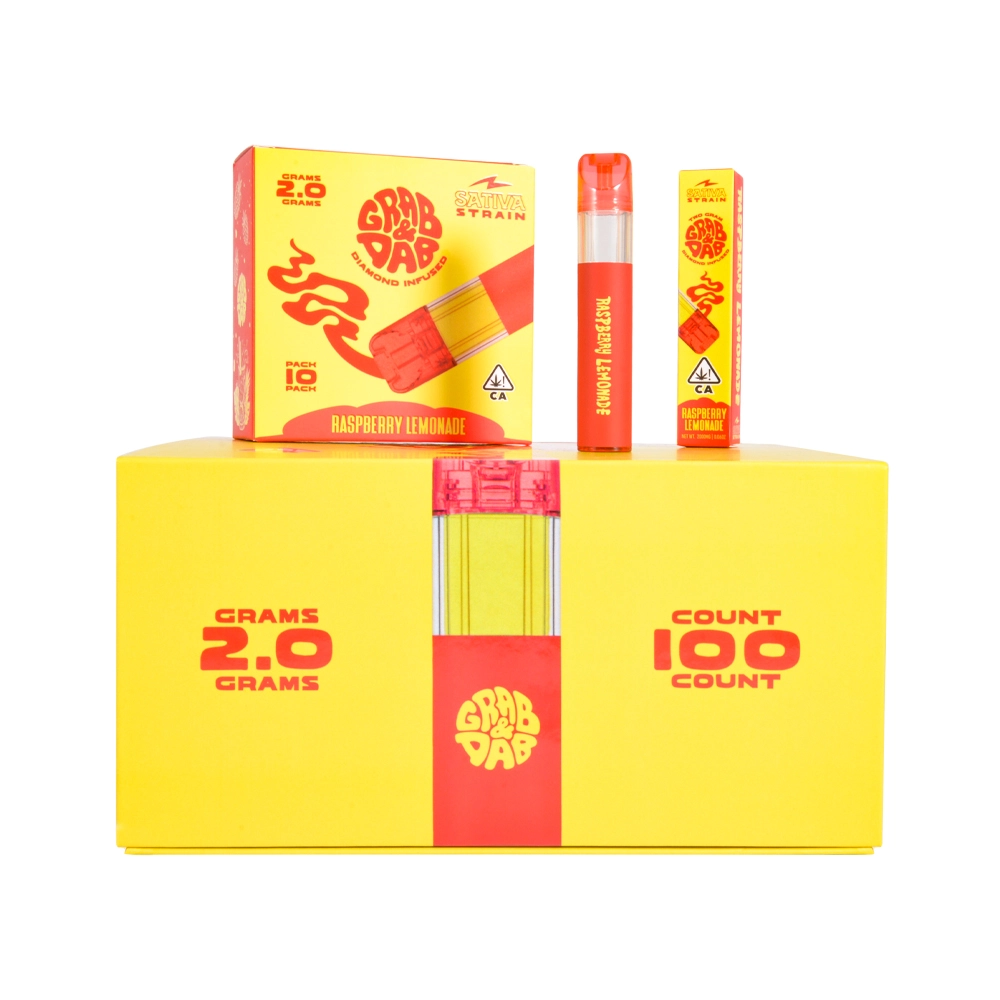
Grab & Dab V3 Battery & Charging FAQ: Why 360mAh + Type-C Details Matter for Returns
Scope (B2B / hardware-focused): This FAQ is written for wholesale buyers and receiving/QC teams dealing with empty hardware and packaging. “Grab & Dab V3” specs are not always published as a single official datasheet, so the most reliable approach is sample approval + PO spec lock + inbound charging/QC checks.
The two specs that drive the most “avoidable” returns
1) “360mAh” isn’t just a number—it’s a batch identity
Multiple wholesale listings for Grab & Dab 2ml/2g-style hardware explicitly call out 360mAh battery capacity.
Why it matters for returns:
-
Wrong battery capacity = mismatched customer expectation. If the market expects the 360mAh version and you receive a lower-capacity batch, you’ll see more “battery dies too fast” complaints (even if nothing is “broken”).
-
Capacity drift is often silent. Many suppliers reuse templates; only your approved sample and PO spec sheet can enforce what you actually receive.
Procurement best practice: Treat battery capacity like a versioned spec (e.g., “V3-360mAh build”), not marketing copy.
2) “Type-C” is a connector, not a charging guarantee
Some supplier listings show “charger: type c” for the platform.
Separately, a Grab & Dab brand site states the device uses USB-C charging and describes it as compatible with most phone chargers/power banks.
Why it matters for returns:
-
“Type-C” doesn’t automatically mean fast-charge / PD / universal behavior.
-
Returns spike when customers use low-quality cables, damaged connectors, or “weird” power sources and blame the device.
Key takeaway: you should standardize the cable + charger combo you recommend/support, then test against that combo during inbound QC.
Battery & Charging FAQ (the return-reduction version)
Q1) What charging time should we expect?
One Grab & Dab product page claims a full recharge in ~45 minutes. Treat this as a reference, not a guarantee—real times vary with battery protection circuits, charger output, cable quality, and battery condition.
Return tip: In your support script, avoid promising an exact time. Instead: “Use a known-good cable/charger; allow adequate time; verify indicator behavior.”
Q2) What charger spec should we standardize for customers and QC?
For most small rechargeable devices, the safest operational baseline is 5V USB charging with a reliable adapter and cable. USB-C “current mode” commonly supplies up to 5V/3A when supported; beyond that, behavior depends on Power Delivery negotiation and cable capability.
Practical B2B policy that reduces tickets:
-
Recommend a reputable 5V USB charger (name-brand wall adapter or a known-good power bank).
-
Include (or sell) a known-good cable and test the batch with that cable.
-
Warn against “mystery cables” and loose ports—these are top drivers of “won’t charge” claims.
Q3) Why do “won’t charge” returns happen so often?
Common root causes your QC can catch early:
-
Port alignment / mechanical tolerance (cable doesn’t seat firmly)
-
Cable issues (high resistance, broken conductors, bad connectors)
-
Power source issues (underpowered adapter, unstable port, damaged USB socket)
-
Indicator misunderstanding (user thinks it’s dead when it’s simply depleted—brand site notes battery depletion can look like failure and recommends recharging before concluding defect)
Return tip: Add a one-page “Charging & Indicator” insert that explains exactly what “low battery” looks like on your approved version.
Q4) How do we QC charging fast without spending hours?
A “10-minute receiving test” that catches most charging-related defects:
Sample plan
-
1 master carton per batch → test 5–10 units (spread across carton: top/middle/bottom)
Test steps
-
Port fit check: cable inserts smoothly; no wobble
-
10-minute charge acceptance: confirm the device shows some sign of charging/indicator change
-
Re-seat test: unplug/replug once—does it reconnect normally?
-
Basic indicator sanity: confirm the indicator logic is consistent across samples (brand page describes color-coded LED indicators as an example behavior)
Pass/Fail rule: If you see repeated “no charge acceptance” or inconsistent indicators, quarantine the lot and expand sampling.
Q5) If “360mAh + Type-C” are listed online, can we treat that as authoritative?
Treat it as directional, not authoritative.
-
Supplier pages commonly list 2ml capacity and Type-C charging, plus 360mAh battery.
-
But supplier listings can vary by batch and are not a substitute for:
-
approved golden sample
-
PO spec lock
-
inbound QC records
-
Best practice: Put these in your PO:
-
Battery capacity target (e.g., “360mAh”)
-
Port type/location (Type-C)
-
Indicator behavior expectations (what “charging” looks like)
-
“No silent component/firmware changes without written approval”
Logistics note that prevents expensive shipping delays
Any device with a lithium battery should be supported by UN 38.3 testing documentation, and downstream distributors are often expected to make available a lithium battery test summary. PHMSA explains the UN 38.3 testing context and the test summary requirement, including revisions effective May 10, 2024.
Wholesale checklist request (ask suppliers up front):
-
UN 38.3 Test Summary
-
Battery identification (model/spec where available)
Conclusion
If you want fewer returns on Grab & Dab V3-style hardware, focus on two things your team can actually control:
-
Battery spec control (360mAh as a versioned build)
-
Charging ecosystem control (standardize a known-good Type-C cable + 5V charger, QC charge acceptance at receiving)
That combination prevents most “won’t charge / dead device” claims from ever becoming RMAs.
If you want to know more empty disposable vape, pls go throught these pages:2g vape|grab dab |grab & dab pen
0 Comments