
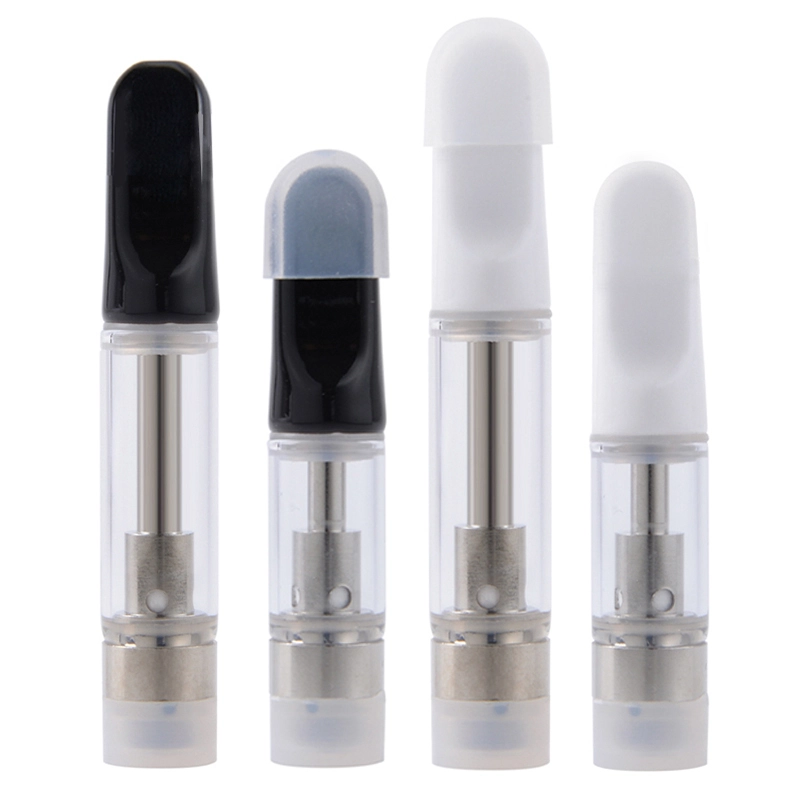
Empty Vape Cartridges — Structured Answers: Key Facts, Myths & Buyer Checklist
Audience: distributors, brand owners, and retail buyers who need to source empty 510 cartridges (or AIO pods) responsibly—balancing flavor performance, reliability, and compliance.
Key facts buyers should know (no fluff)
1) “Empty” still touches a regulated product.
Even if you only sell hardware, once it’s filled with cannabis oil it will be evaluated under state rules for inhalable cannabis products. In jurisdictions like California, finished products must be tested by ISO/IEC 17025–accredited labs; asking your hardware vendor for COA samples from accredited labs demonstrates you understand downstream compliance. Department of Cannabis Control+1
2) Mass ≠ volume.
Specs listed as “1 g” or “2 g” refer to fill mass; “ml” is volume. Density varies with cannabinoid/terpene ratios, so 1 g ≠ 1 ml by default. If a supplier lists ml, ask for density (g/ml) and state both numbers accurately.
3) Materials matter to flavor and safety.
Common wet-contact materials include borosilicate glass reservoirs, stainless steel (often 316/304) center posts, ceramic cores for atomization, and PCTG/PA seals. Request a materials declaration and RoHS-style metals statements to reduce heavy-metal and extract-compatibility risk.
4) Ceramic is a design, not a guarantee.
Ceramic atomizers can heat viscous extracts evenly and preserve terpenes—if porosity, wicking paths, and power are matched to your oil. Ask vendors for coil resistance (Ω), wattage curve, and dry-hit mitigation data plus compatibility notes for live resin/distillate blends.
5) EVALI changed expectations.
The 2019–2020 lung-injury outbreak linked to vitamin E acetate in illicit THC products reshaped safety norms. Reputable suppliers now require full-ingredient disclosure from fillers and push back on non-intended diluents. Your SOP should explicitly forbid vitamin E acetate or unknown additives. CDC Archive
6) Ingredient-safety standards are emerging.
ASTM’s D37 committee has begun publishing cannabis-vape ingredient standards (e.g., ASTM D8588-24 exposure-limit practice) and is building broader hardware/formulation guidance. Tracking and adopting these consensus standards signals due diligence to buyers and regulators. PRWeb+1
7) Age-gating and retail controls still apply.
If your site or store also sells nicotine devices, you must comply with Tobacco-21 (no sales under 21; enhanced ID checks). Even for THC hardware, adopting a consistent 21+ policy and clear age gates reduces risk. U.S. Food and Drug Administration
What “good” looks like (spec & QC expectations)
-
Tight tolerances: well-machined center posts and seals minimize leak paths (base seal, chimney threads, mouthpiece press-fit).
-
Wicking & viscosity match: ceramic porosity and inlet geometry tuned for your oil at operating temps (avoid flooding/dry hits).
-
Emissions awareness: request the vendor’s bench data on temp profiles and intended power range; verify no abnormal off-odors on first heat cycles.
-
Clean manufacturing: ISO-style GMP practices (incoming inspection, cleanliness controls) reduce particulates and residual machining oil.
-
Packaging: tamper-evident blisters/boxes and, if you sell finished goods, child-resistant packaging per your state’s rules.
Myths vs. reality (quick debunks)
Myth 1: “Ceramic means zero heavy metals risk.”
Reality: ceramics reduce metal contact, but posts, heaters, or solders elsewhere may still contribute metals. Ask for a materials bill and—when the cartridge is filled—rely on finished-product COAs from ISO/IEC 17025 labs per state law. Department of Cannabis Control+1
Myth 2: “Any lab COA is fine.”
Reality: for cannabis/THC states, look for ISO/IEC 17025 accreditation and panels that match your jurisdiction (cannabinoids + residual solvents, pesticides, heavy metals, microbials, mycotoxins; names and limits vary by state). For hemp-only markets, many states (e.g., Louisiana) explicitly require ISO/IEC 17025 COAs for consumables. Department of Cannabis Control+1
Myth 3: “1 ml equals 1 g.”
Reality: not unless you know the oil’s density. Publish both numbers when possible, and train your team to avoid mixing units in PDP copy.
Myth 4: “Standards don’t exist, so anything goes.”
Reality: ASTM D37 has started to formalize ingredient and device guidance (e.g., D8588-24). Adopting emerging standards early is a competitive advantage and a trust signal. PRWeb+1
Buyer checklist (save this; use per SKU)
A. Documentation you should collect
-
Materials declaration (glass/reservoir, metals grade, seal polymers, ceramic composition—at least generic).
-
Electrical/safety sheet for AIO/pod devices: protections (OCP/OVP/OTP/short-circuit), charge IC, USB-C port rating.
-
Process & cleanliness outline: factory cleanliness controls, particulate benchmarks, lubricant policy.
-
COA plan for finished goods: specify ISO/IEC 17025 lab and panels matching your state (example framework: CA’s DCC). Keep a batch-linked COA with traceability. Department of Cannabis Control
-
Ingredient policy for your fillers: no vitamin E acetate; disclose terpenes/excipients; verify thermal stability. CDC Archive
-
Standards tracking: note alignment with applicable ASTM D37 publications (e.g., D8588-24) and internal SOP updates. PRWeb
B. Engineering questions to ask the vendor
-
Coil resistance (Ω) and intended wattage range?
-
Ceramic porosity/wick path and oil viscosity window?
-
Leak-rate test method and acceptance criteria?
-
Press-fit mouthpiece: pull-force spec and tamper-evidence?
-
Torque specs for base/chimney assembly to avoid micro-gaps?
C. Incoming-inspection steps
-
Weigh empty carts (± tolerance) and visually inspect seals/threads.
-
Heat-cycle a small sample with a neutral carrier to screen for off-odors.
-
Pressure or vacuum spot-checks to flag weak seals.
D. Labeling & PDP copy hygiene
-
Use mass (g) for fill claims; if you show ml, include density and do not present it as a fixed equivalence.
-
Avoid “medical” language; stick to engineering, materials, and compliance facts.
Cost and reliability (TOFU-level, no unverifiable promises)
To estimate total cost of ownership (TCO) without puff-count hype:
-
Track RMA/defect rate by batch (goal: ≤2–3% with quality ceramics).
-
Compute cost per successful filled unit = landed unit cost × (1 − RMA%).
-
Add leak loss (ml or g) and carry cost from average days-on-hand.
Publish your inputs window (e.g., last 90 days) so B2B buyers can audit your math later.
Quick answers (FAQ)
Q: What testing should I reference when I list finished products?
A: For cannabis/THC states, point to COAs from ISO/IEC 17025–accredited labs with the panels required by your state (cannabinoids, residual solvents, pesticides, heavy metals, microbials, mycotoxins). Keep batch-linked PDFs and show the lab’s accreditation info. California’s Department of Cannabis Control provides current regulations and lab requirements. Department of Cannabis Control
Q: Are there recognized safety standards for vape ingredients/hardware?
A: Yes—ASTM D37 has begun publishing standards (e.g., D8588-24 for calculating inhalation exposure limits for non-cannabinoid ingredients). Many hardware-specific standards are in development; align your specs and SOPs as they publish. PRWeb+1
Q: What’s the takeaway from EVALI for empty-cart sourcing?
A: Require full ingredient disclosure from any filler and forbid vitamin E acetate or unknown diluents; keep your supplier list to licensed, traceable manufacturers and labs. CDC Archive
Q: Do I need age gates on an “empty hardware” site?
A: If you also sell nicotine devices, federal Tobacco-21 applies (21+ only, photo-ID checks). For cannabis hardware, a 21+ policy remains a prudent safeguard and industry norm. U.S. Food and Drug Administration
Responsible-use & legal notes (add near your footer)
-
Adults 21+ only. Follow federal Tobacco-21 rules where applicable; check state cannabis laws before listing or shipping finished goods. U.S. Food and Drug Administration
-
Information only. This article is educational, not legal or medical advice.
-
COA first. Do not release filled products without a batch COA from an ISO/IEC 17025–accredited lab covering your state’s required panels. Department of Cannabis Control
-
No vitamin E acetate or unknown additives. Require disclosure and verify with your lab partners. CDC Archive
What you can add later (to lift E-E-A-T even more)
-
Link batch-level COAs for your top SKUs (public PDFs).
-
Publish your 90-day RMA rate and incoming-inspection SOP highlights.
-
Note any ASTM D37 alignment in your PDP specs as new standards publish.
If you want to know more Vape Carts Wholesale pls go through these pages:1000mg vape cartridge|500mg cartridge
0 Comments