
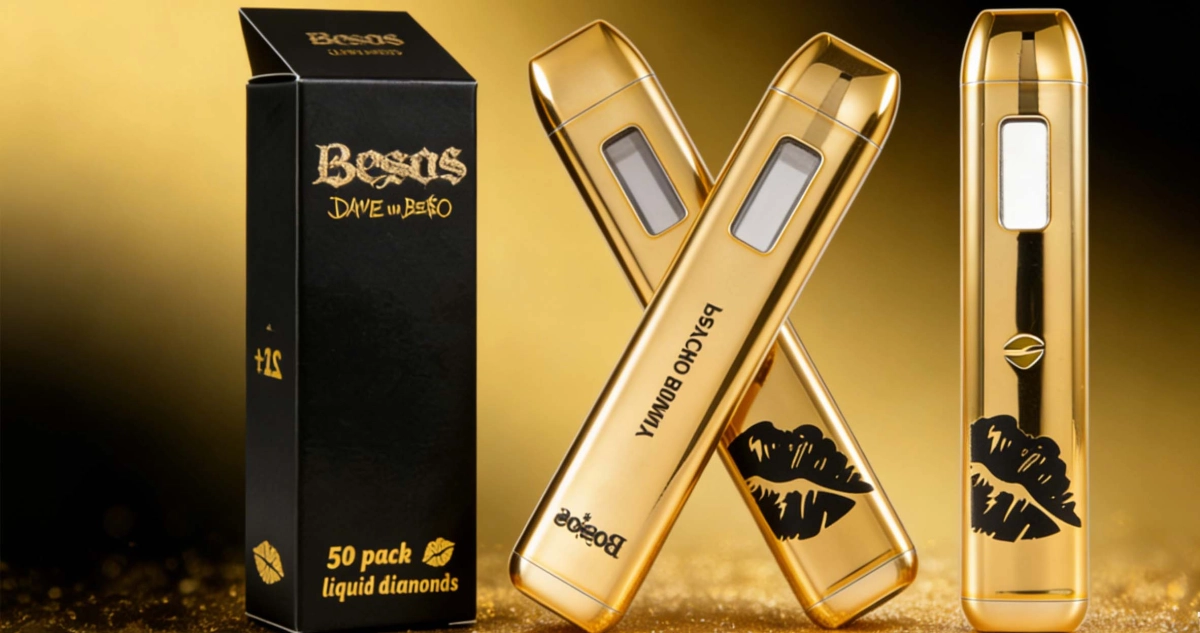
Besos empty disposable vape hardware-only with 2ml tank for easy filling
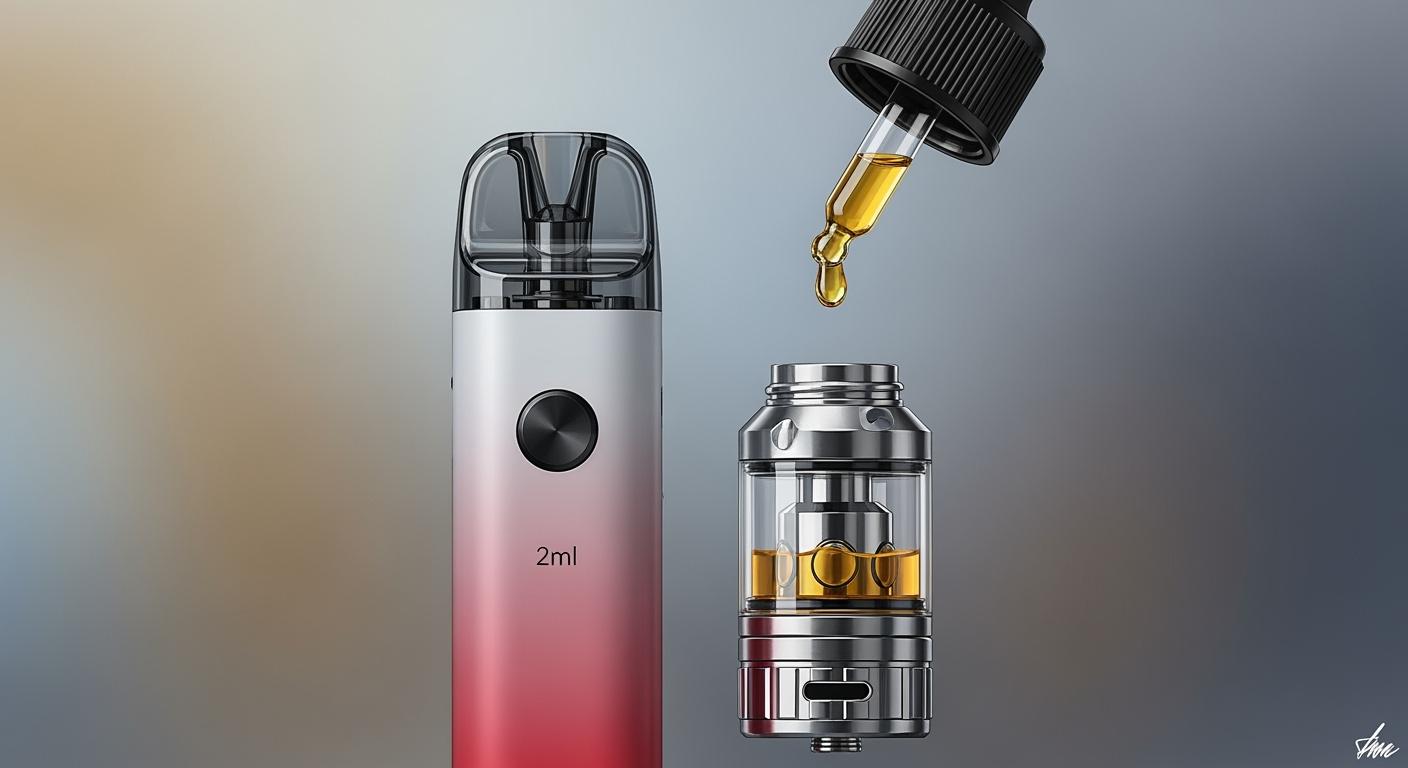
Important (read first): This page discusses hardware-only devices. No oils, nicotine, THC, or liquids are included.
Adults only: Use only if you are of legal age in your jurisdiction. Keep devices and any related materials away from children and pets.
No medical claims: This content is for product evaluation and inventory/QC planning, not health advice.
Compliance varies: Requirements can differ by country/state. Verify the rules that apply to your business and shipments.
The Besos empty disposable vape is positioned as a hardware-only device with a 2ml tank volume and a fill-port design marketed for easier filling. This guide focuses on what you can verify (specs, batch consistency, packaging, and QC evidence) and avoids unsupported performance claims.
Key Takeaways
-
Verified spec focus: Document tank volume as 2ml (volume unit). Avoid mixing ml and g in the same spec context.
-
Batch-first workflow: Treat every shipment as a new batch—record stickers/labels, photos, and sample results before you scale sales.
-
Trust upgrade: If you mention leak resistance, returns, or safety, pair it with method + evidence (how you checked, what you recorded), not slogans.
Specs Snapshot
The table below is intended to match the fields commonly shown on Besos listings on Vapetech420. Always verify against the product page for your exact SKU/batch.
|
Specification |
What to record (per batch) |
|---|---|
|
Tank Volume |
2ml (volume) — capture a screenshot of the product spec block. |
|
Charger |
Type-C — verify port fit and cable connection. |
|
Pod Material |
PGTC — record exactly as listed (do not expand acronyms unless the listing does). |
|
Packaging |
Small boxes + medium boxes + master boxes + stickers (confirm what your shipment includes). |
|
Labeling/Tracking |
Photograph batch stickers/labels on outer carton and inner boxes. |
Unit rule: Keep “2ml” as the spec unit. If marketing names use “2g/2 gram,” treat that as a product-line label—not a volume spec.
Unit Consistency & Batch Disclaimer
Batch/Model Disclaimer
For hardware-only devices, small changes can occur between batches (finish, packaging, port tolerance, or minor component sourcing). To avoid “spec mismatch” disputes, build a simple batch record before the units go live.
|
Batch ID / Sticker |
Date Received |
Sample Size |
Notes (what changed) |
|---|---|---|---|
|
[Your batch here] |
[YYYY-MM-DD] |
[e.g., 5–20 units] |
[Finish / packaging / port fit / other] |
Easy Filling: What to Verify (No Guesswork)
Leak-Resistant Fill Port (Verification Checklist)
“Leak-resistant” is only meaningful if you can verify it with a repeatable check. For a hardware-only 2ml tank device, the practical risk points are usually: fill-port closure quality, seal seating, and post-fill handling.
-
Port closure: confirm the fill port closes fully and consistently (no partial seal, no loose flap).
-
Seal seating: inspect the seal contact surface for gaps, wrinkles, or debris.
-
Post-fill carry: evaluate whether normal pocket/bag movement leads to seepage (record photos if any).
Note: This guide avoids step-by-step filling instructions. Follow the product’s included directions for your unit/batch, and do not overfill.
Compatibility Note (YMYL)
This page does not advise what substances to use. If a customer asks about compatibility, handle it as a materials + viscosity discussion and confirm what is legal in their jurisdiction. Avoid medical/health claims, and avoid implying any prohibited use.
Evidence & QC Checklist
What Evidence to Capture (Recommended)
To strengthen E-E-A-T for a YMYL-adjacent topic, your content should show how you verified the claims you make. Below is an evidence checklist you can execute without exaggeration:
-
Unboxing photos/video: carton condition, inner packaging, stickers/labels.
-
Spec screenshot archive: save the product page spec block for the batch date.
-
Port/Seal close-up photos: before/after closure on sampled units.
-
Charge check: Type-C fit + indicator behavior (record as pass/fail, not “fast”).
Replace the embed above with your own batch evidence video if available. Don’t imply third-party endorsement.
Quantitative Metrics Framework (How to Measure)
Your previous draft listed leak/consistency numbers without a method, which hurts trust. If you want quantitative data, publish it only when you can also publish: sample size, test conditions, pass/fail definition, and time window.
Metrics Template (Fill with Your Own Results)
|
Metric |
Definition (make it repeatable) |
Sample Size |
Your Result |
|---|---|---|---|
|
Leak incidence |
Any visible seepage after standard handling window (e.g., 24–72h), recorded with photos. |
[N] |
[%] |
|
DOA rate |
Unit fails basic function check on arrival (document what “basic” means). |
[N] |
[%] |
|
Return reasons |
Top 3 reasons with counts (e.g., port issue / cosmetic / charging). |
[N returns] |
[Counts] |
Transparency rule: If you can’t share the method, don’t share the number.
Packaging & Logistics Notes
Your listing mentions packaging tiers (small/medium/master boxes) and stickers. For B2B operations, connect packaging to handling: receiving checks, SKU labeling, and shipping documentation for battery-containing devices.
Battery Shipping Reminder (General)
If you ship devices containing lithium batteries, ensure your logistics workflow includes the appropriate battery transport documentation (e.g., UN 38.3 test summary availability) and follows carrier rules. This is a documentation and safety planning point—not legal advice.
Comparison Criteria (Empty vs Pre-Filled)
Instead of brand-versus-brand claims, use a criteria matrix that readers can apply without trusting marketing text.
|
Decision Factor |
Hardware-Only (Empty, 2ml tank) |
Pre-Filled Disposables |
|---|---|---|
|
Control / customization |
Higher (depends on buyer workflow) |
Lower |
|
QC burden |
Higher (batch tracking, port checks) |
Lower (but still check DOA/cosmetic) |
|
Messaging risk (YMYL) |
Higher (must clarify hardware-only + legal/age warnings) |
Higher (even more regulated in many markets) |
B2B View: Training, SKUs, Returns
Staff Training & SKU Management
-
Train to read stickers/labels: batch ID → spec screenshot → QC record.
-
Keep a “spec card” per SKU: 2ml tank, Type-C, PGTC, packaging contents, and what to check on receipt.
-
Standardize intake photos: same angles, same lighting, same folder naming.
Returns / Exchanges (Trust & Clarity)
Return eligibility varies by seller and product condition. To reduce disputes: document arrival condition immediately, define your DOA window, and keep batch records.
FAQ
Is this device pre-filled?
No. This guide is for a hardware-only (empty) device. No liquids are included.
Does “2ml” mean 2 grams?
No. 2ml is a volume spec. “2g/2 gram” can be used as a product-line name in some listings, but it is not the same unit as ml. For QC and listing accuracy, keep “2ml” as the spec.
How do we reduce leak complaints?
Treat it as a process problem: verify fill-port closure, document sample checks per batch, and publish a clear “batch disclaimer + QC record” policy. Avoid absolute statements like “leakproof.”
What proof improves trust the most?
Batch evidence: product-page spec screenshots, unboxing photos, close-ups of the fill port and seals, and a short QC video—stored per batch and time-stamped.
If you want more vape wholesale, you can go through those pages: thc vape pen|2 gram disposable|besos vape wholesale|besos disposable vape
0 Comments