
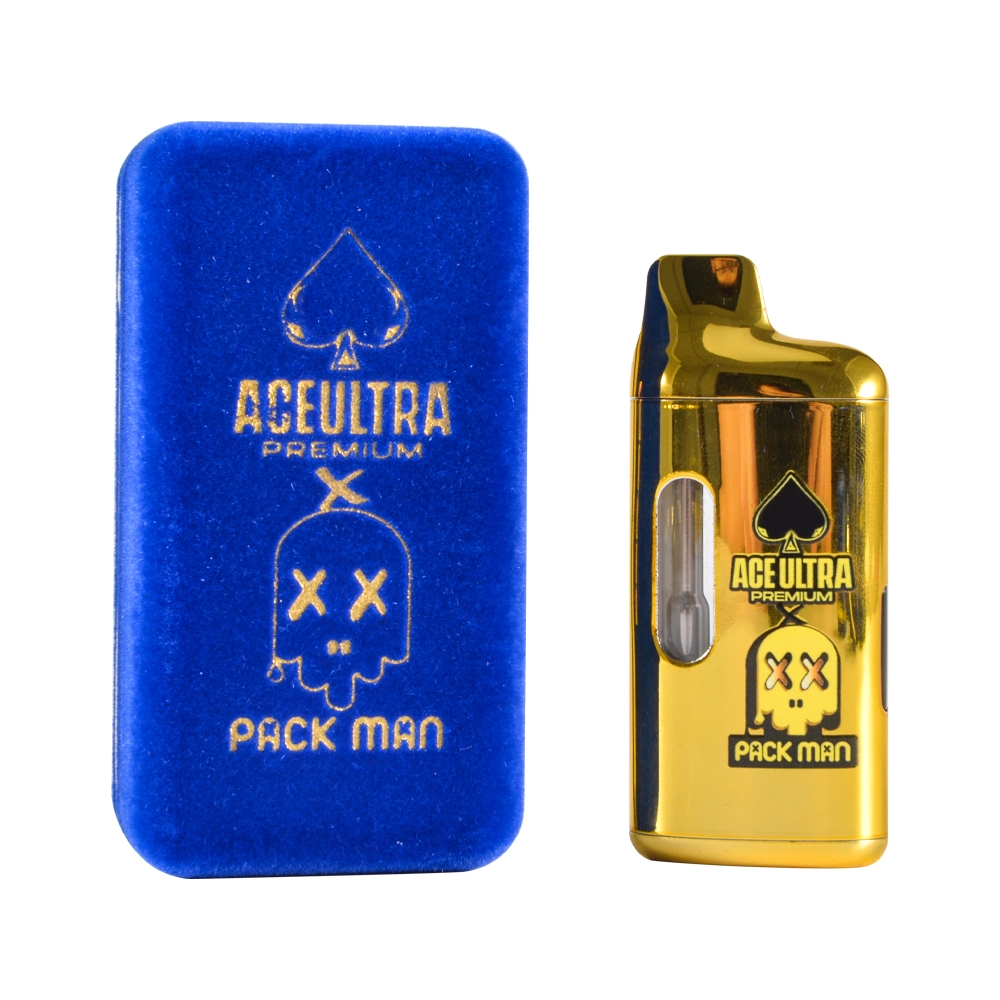
Ace Packman Empty Disposable Vape (2mL): What It Is, Who It’s For, and How to Buy Safely in 2025
TL;DR: “Empty disposable” means shell + battery + heater only—no oil inside. You (or your contract filler) add the extract. That makes it popular with labs, white-label brands, and DIY formulators who want control over oil quality, terpene blends, and costs. If you sell, ship, or fill this kind of device, you still need to think about battery safety, shipping rules, retailer licensing, anti-counterfeit checks, and end-of-life disposal—even when no cannabis is included.
1) What “empty disposable” actually means
An empty disposable like Ace Packman arrives pre-assembled with a sealed chassis, mouthpiece, airflow path, and a rechargeable lithium battery (commonly USB-C) plus a ceramic heater. It is not ready to inhale until it has been properly filled, capped/sealed, and—if applicable—passed leak, draw, and continuity tests. Many buyers choose 2 mL (often labeled “2 g” in cannabis) because it balances session length with pocketability and reduces replenishment frequency once filled. (Note: “g” on packaging is a content mass convention in cannabis; the reservoir itself is volumetric.)
Because the product ships without oil, most cannabis labeling rules (warnings, cannabinoid values, universal symbols) apply after filling and vary by state; in California, those DCC requirements are tied to manufactured cannabis products in final form, not empty shells. Use official DCC checklists for finished goods when you do fill.
2) Who this hardware is for
-
Licensed brands & labs that control inputs (distillate, live resin/rosin blends) and want consistent coil-to-oil pairing.
-
Retailers/wholesalers sourcing hardware for white-label programs (ensure your filler is licensed where required).
-
Product developers testing terpene systems with defined atomizer geometry and inlet diameters.
Safety note: For consumers, an empty device is not a ready-to-use vape. If you’re not working with a licensed filler, buy finished, lab-tested products from licensed retailers instead. California’s official Real CA Cannabis map helps you verify legal stores.
3) Core advantages of Ace Packman-style empty disposables
a) Oil & flavor control
Pair viscosity to inlet size and ceramic porosity to reduce dry hits and flooding. Being able to select your oil and terpene supplier gives you control over contaminant screening and flavor. The CDC has previously associated the 2019 EVALI outbreak with adulterants (notably vitamin E acetate) found in illicit products—one reason licensed supply chains and transparent COAs matter.
b) Branding & UX
Chassis options (matte or soft-touch), mouthpiece geometry, and optional LED/mini screen SKUs (battery indicator, puff cues) can improve user confidence and help customer support diagnose issues remotely.
c) Cost & logistics
Hardware-only often ships with fewer regulatory burdens than filled cannabis products, but lithium battery shipping rules still apply (see §6).
4) What to check before you buy (anti-counterfeit & retail legitimacy)
-
Retailer/Distributor legitimacy
If you’re purchasing finished cannabis goods, verify the shop on the Real CA Cannabis licensed-retailer map (California). For B2B hardware, request the company’s legal entity details and supply-chain documentation; beware marketplaces mixing licensed and gray sellers. -
QR codes & batch pages
Only scan factory-printed QR codes on sealed packaging, and confirm the domain resolves to the brand’s real site. The FTC warns that QR-code phishing is on the rise; don’t enter personal or payment info after scanning unfamiliar codes. -
Device safety claims
If a reseller advertises UL 8139 device safety or similar, ask for the UL file number or listing page. UL 8139 is the widely referenced safety standard for e-cigarette electrical systems, and legitimate claims are verifiable.
5) Filling, capping, and basic QC (for licensed fillers)
-
Match viscosity (e.g., 55–70 °C fill temp for thick extracts; follow your SOP).
-
Controlled fill volumes (±1–2%) reduce flooding and headspace issues.
-
Soak/prime time lets the ceramic saturate prior to first fire.
-
Leak & draw tests (inline or sample-based) before cartoning.
-
Labeling for finished cannabis goods must meet your state rule set (e.g., CA DCC checklists for master manufacturing protocol & batch records).
Reminder: This article describes empty hardware. Once oil is added, you’re manufacturing a regulated product and must comply with all applicable cannabis labeling/packaging laws in your market (age gates, universal symbols, warnings, recycling/hazard statements where mandated).
6) Batteries, shipping, and storage (applies even to empty devices)
Ace Packman empty disposables contain lithium cells. When shipping by air or ground, use the correct UN classification and UN 38.3 test summary documentation from the cell/pack supplier. UN 38.3 details altitude, thermal, vibration, shock, external short circuit, impact, overcharge, and forced-discharge testing that must be passed before transport. Carriers and regulators can request the test summary at any time.
If you ever ship standalone batteries or devices with cells, follow current IATA/ICAO and carrier rules (proper UN numbers, packing instructions, SOC limits, marks/labels). Keep devices cool and dry in storage; avoid high-heat environments that accelerate aging.
7) Safe use & end-of-life (for consumers after filling)
-
Charging: Use reputable USB-C chargers; don’t charge unattended. UL 8139 guidance focuses on electrical and charging safety for vape devices—prefer vendors who can substantiate compliance.
-
Disposal: Don’t toss vapes with lithium cells in the trash. The EPA recommends taking lithium-ion batteries and e-waste to appropriate collection/recycling programs to prevent fires and pollution.
8) Quick buyer checklist (copy/paste)
-
□ Confirm seller legitimacy (licenses for cannabis; corporate credentials for hardware). Official Real CA Cannabis map for retail checks (CA).
-
□ Request UL 8139 evidence (file/listing) for electrical safety claims.
-
□ Obtain UN 38.3 test summary for the battery pack (if you will ship).
-
□ Inspect anti-tamper seals and only scan on-pack QR codes (FTC warns about QR scams).
-
□ If filling with cannabis, build labels from your state’s official manufacturing/labeling checklists (e.g., CA DCC). □ Plan responsible e-waste disposal for returns and spent units.
9) Ace Packman empty disposable: spec snapshot (typical)
-
Format: Integrated, post-less, ceramic-core disposable (empty)
-
Capacity: 2 mL reservoir (commonly marketed “2 g” in cannabis contexts)
-
Power: Rechargeable lithium cell (USB-C)
-
Nice-to-haves: LED/screen variants for battery indicators, preheat modes, draw-to-vape firmware
-
Best-fit oils: Mid-to-high viscosity distillate/live resin; verify inlet size & coil porosity with your supplier’s SOPs
(Specs vary by batch/OEM revision—always confirm with your sales rep and request batch datasheets.)
10) When you should not choose an empty disposable
-
You don’t have a licensed filler (for cannabis markets) or validated SOPs.
-
You need retail-ready packaging with state-specific cannabis labels today.
-
You can’t obtain battery documents (UN 38.3 test summary) from the vendor.
Final word
The Ace Packman empty disposable is a strong option for brands that want control over inputs, flavor, and margins—provided you verify seller legitimacy, electrical/battery safety, and (if applicable) follow your state’s manufacturing & labeling rules once oil is added. Consumers who are not working with licensed fillers should buy finished, lab-tested products only from licensed retailers.
If you want to know more vape wholesale , pls go through these pages:
0 Comments