
3 Gram Cart — Structured Answers: Key Facts, Myths & Buyer Checklist
We rebuilt this guide using a people‑first, evidence‑based approach. Below you’ll find verifiable facts about 3‑gram vape cartridges, common myths with citations, a practical buyer checklist, and links to authoritative sources on safety and legal context.
Key Facts
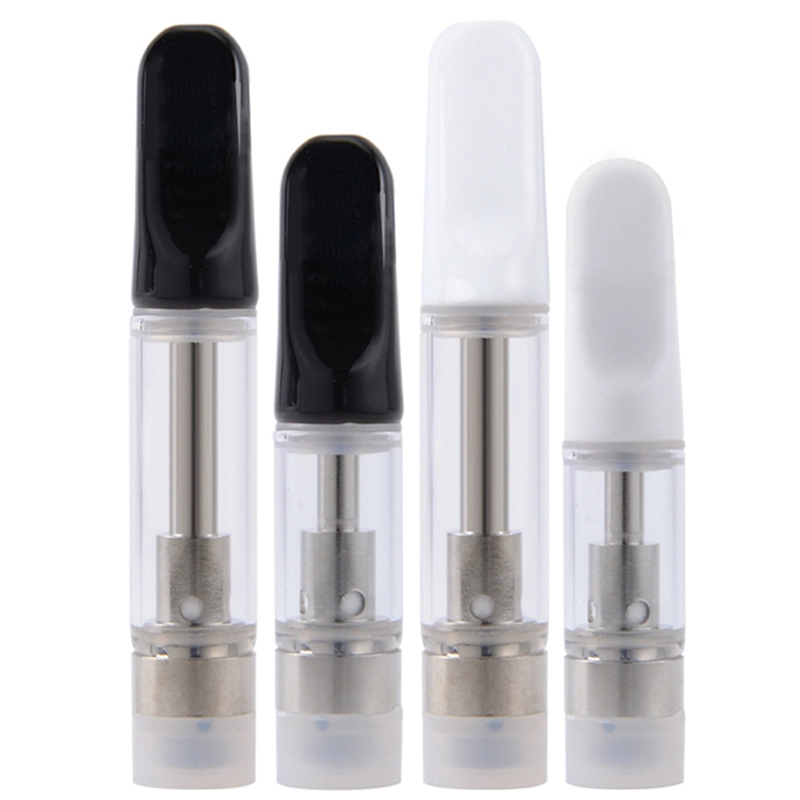
- What it is: A “3‑gram cart” is a refill‑sealed cartridge pre‑filled with ~3 g of oil (≈3,000 mg by mass), typically designed for 510‑thread vape batteries. It is not a shopping/handling cart.
- Hardware basics: Common build features include a ceramic heating element, a glass or medical‑grade polymer reservoir, and calibrated intake holes matched to oil viscosity. Avoid generic claims like “stronger effects”—potency depends on the oil and verified lab results, not size alone.
- Lifecycle: Larger capacity reduces how often you replace a cart but doesn’t imply higher safety or potency. Judge quality via batch‑specific Certificates of Analysis (COA) from accredited labs and vendor traceability (see Buyer Checklist).
Myths & Reality (with sources)
| Myth | Reality (evidence) |
|---|---|
| “Bigger carts are always more potent.” | Capacity ≠ potency. Potency, contaminants, and label accuracy must be verified per‑batch by third‑party labs. Prefer ISO/IEC 17025‑accredited testing and review cannabinoid/content & contaminant panels in the COA. |
| “All thick oils are safe if the cart doesn’t leak.” | Safety depends on ingredients and absence of diluents/adulterants. After the 2019 EVALI outbreak, authorities warned against additives like vitamin E acetate and unregulated products, especially from informal sources. |
| “Hemp‑derived carts are federally legal regardless of content.” | U.S. federal law defines hemp by ≤0.3% Δ‑9 THC (dry weight). Products exceeding that threshold fall under controlled substances; intoxicating hemp derivatives face evolving federal/state scrutiny. |
| “If it’s sold online, it must be lab‑tested.” | Testing rules vary widely by state. Some states (e.g., California) require licensed labs and batch testing before sale; others differ or restrict certain cannabinoids. Always verify jurisdiction‑specific requirements. |
Buyer Checklist (verification & quality)
Use this checklist to reduce risk and improve quality assurance. It’s designed for consumers and B2B buyers evaluating cartridges (no health claims):
| Item | What to do | Why it matters |
|---|---|---|
| COA verification | Scan QR / follow link to a batch‑specific COA hosted by the lab; confirm cannabinoid profile, heavy metals, residual solvents, pesticides, mycotoxins. | Confirms label accuracy & contaminant screening; prefer ISO/IEC 17025‑accredited labs. |
| Lab accreditation | Look for accreditation marks (e.g., ISO/IEC 17025) from a recognized accreditation body that participates in ILAC MRA. | Indicates the lab’s competence and traceability to international standards. |
| Packaging & traceability | Check batch/lot numbers, manufacturer/distributor, and tamper/anti‑counterfeit features; avoid re‑sold empty packaging or unverifiable branding. | Enables recalls and authenticity checks. |
| Hardware fit | Confirm thread type (e.g., 510), recommended voltage range, and oil viscosity suitability (live resin/rosin vs distillate). | Reduces clogging/burning risk due to mismatched power/viscosity. |
| Ingredient transparency | Avoid products with unknown diluents; be cautious of vitamin E acetate and non‑intended additives. | Aligns with post‑EVALI safety guidance. |
Legal & Compliance Snapshot (U.S.)
- Federal definition of “hemp”: ≤0.3% Δ‑9 THC (dry weight). Non‑compliant material is a controlled substance subject to disposal protocols.
- THC & cannabis scheduling: As of 2025‑09‑24, marijuana remains federally controlled; DOJ/DEA have proposed rescheduling from Schedule I to III, but final outcomes are pending through rulemaking/hearings. This does not itself legalize state‑prohibited conduct.
- State variability: States differ on legality, testing, labeling, and intoxicating hemp derivatives. Always check the rules where the product is made/sold/used (examples: CA requires batch testing by licensed labs).
- Marketing & claims: Avoid therapeutic/health claims unless authorized; stick to verifiable specs and lab results.
FAQ (≤90 words each)
Does a 3‑gram cart last longer than 1‑ or 2‑gram carts?
Typically yes, because it contains more oil. Longevity still depends on your power settings, coil design, and puff habits. Capacity does not guarantee higher potency or safety—review the batch COA.
Is a COA mandatory everywhere in the U.S.?
No. Requirements vary by state. Leading markets (e.g., California) mandate licensed‑lab testing before sale. Regardless of mandates, COAs from accredited labs are a practical baseline for quality and label accuracy.
Are hemp‑derived carts legal online if Δ‑9 THC ≤0.3%?
At the federal level, hemp is defined by that threshold, but states can impose stricter rules. Also, policy makers are actively reviewing intoxicating hemp derivatives. Check current state law before buying or shipping.
Internal links (≤5)
References (authoritative)
- CDC — EVALI reports & guidance (vitamin E acetate; avoid informal sources): MMWR 2020; Archived guidance
- USDA/AMS — 2018 Farm Bill hemp definition & enforcement: Legal summary; Enforcement
- DEA/DOJ — Proposed marijuana rescheduling (status subject to rulemaking): NPRM (2024); news coverage: AP News
- California DCC — State testing labs & batch testing requirement: DCC Labs
- ILAC — ISO/IEC 17025 accreditation context for testing labs: About ILAC
- UN/UNECE — UN 38.3 transport tests for lithium batteries (for devices with integrated cells): Manual of Tests & Criteria
0 Comments