2025 Guide | Ace X Packman Empty Disposable (Hardware Only) Bulk Buying
Dec 18, 2025
Aero Vance
Information/Education
20
0
Scope & Audience: This outline is for B2B wholesalers, distributors, ops teams, and filling/packaging partners. It covers Empty / Hardware Only (explicitly: no oil / no THC / no nicotine) and is intended for Adults 21+. No medical/cessation claims. Not legal or medical advice.
2025 Guide | Ace X Packman Empty Disposable (Hardware Only) Bulk Buying
SKU Governance & Version Control (Stop “Name Drift”)
Define the “Ace X Packman” hardware-only SKU in writing
- Lock the official SKU name used on quote, invoice, carton marks, and internal SKU master.
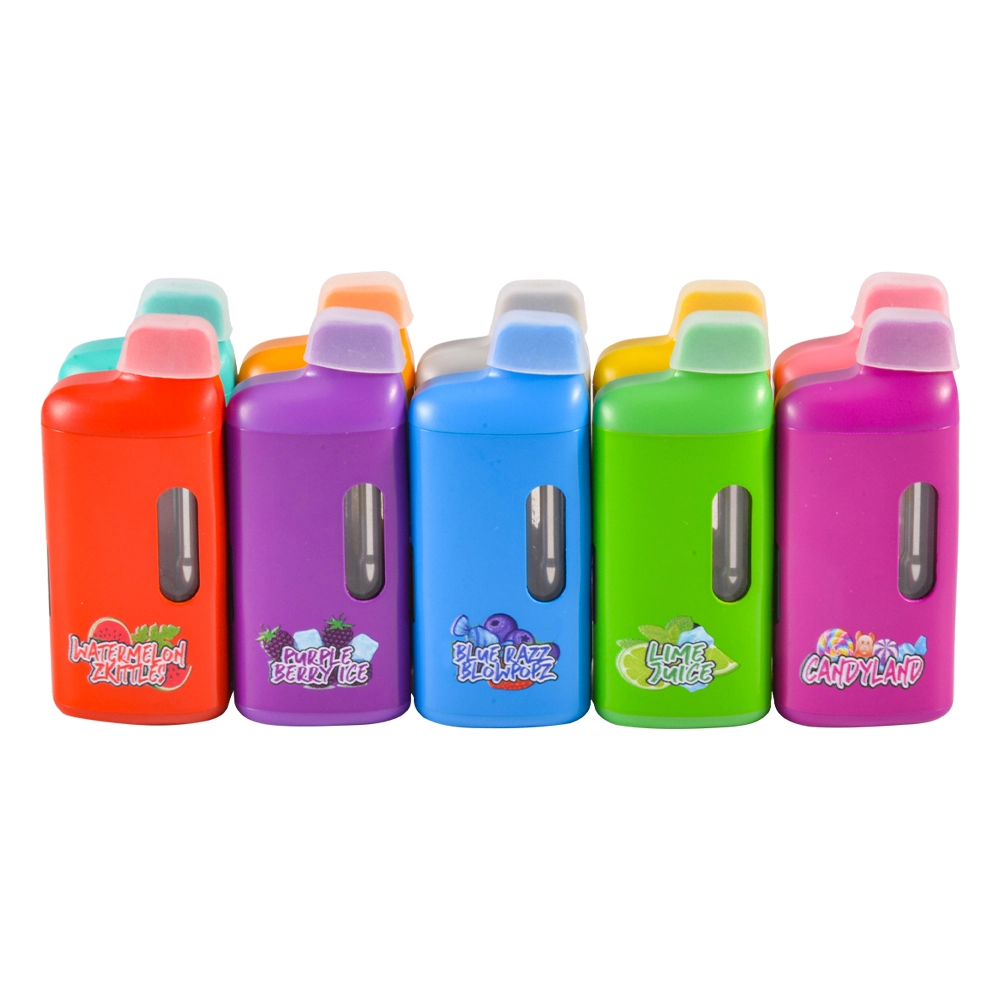
- Attach a photo pack (front/back/side, port area, mouthpiece close-up) + dimension sheet.
- State: Empty Disposable (Hardware Only) — no contents.
Create a SKU Master table (single source of truth)
| Internal SKU |
Supplier SKU |
Key Identifiers (photos/dimensions) |
Packaging Config |
Approved Changes? |
| Placeholder rows — populate per supplier + lot |
Change-control rule (mandatory for bulk scale)
- Supplier must notify buyer before any changes to: battery source, seals, tank material, airflow parts, finish, packaging, carton count.
- Define “notifiable change” vs “cosmetic tolerance” in the PO/contract.
- Require “same-as-golden-sample” confirmation before shipment.
Pre-PO Buyer Checklist (Before You Pay)
Supplier verification checklist (identity + capability)
- Company registration matches bank beneficiary name.
- Clear address, production evidence, and a named QA contact.
- Warranty/DOA terms in writing (no vague chat promises).
Spec snapshot (confirm what you’re actually buying)
- Hardware-only statement (no contents) appears on quote + invoice.
- Basic configuration fields: activation method, charging interface, indicator behavior, assembly style.
- Materials/contact surfaces declaration (as applicable to your market).
Document pack you should request (before deposit)
- Quote + proforma invoice draft (with SKU identifiers).
- Packing configuration: units per inner/outer carton; carton marks.
- QC/inspection description: what’s tested, when, and how results are recorded.
RFQ + Sampling Plan (Make Quotes Comparable)
RFQ fields to lock (so you can compare apples-to-apples)
- SKU identifiers (photo pack + dimensions attached)
- MOQ + tier pricing + lead time (per quantity tier)
- Packaging configuration (unit box/carton counts)
- QC gates commitment (sample/pilot/bulk) + rework policy
- Spare parts policy (mouthpieces/seals) + defect handling
Sampling plan (designed to reveal variation)
- Request samples across multiple cartons where possible (not just hand-picked units).
- Require lot labeling on samples and packing list mapping lot → quantity.
- Define sample tests: leak screening, draw consistency, activation stability, fit/finish.
Golden sample retention (baseline control)
- Buyer retains a sealed golden set; supplier retains the matching set.
- Bulk shipments must match the golden sample on agreed checkpoints (finish, fit, function).
QC Gates: Sample → Pilot → Bulk (Accept/Reject)
Gate 1: Sample acceptance checklist (go/no-go)
- Leak screening procedure + pass/fail definition (record results by unit ID).
- Draw consistency: define “too tight/too loose” and how to flag outliers.
- Power behavior: stable activation, no unexpected shutoff, consistent indicator behavior.
- Fit/finish: seam alignment, mouthpiece fit, port alignment, no rattle/sharp edges.
Gate 2: Pilot run (prove repeatability)
- Pilot quantity: enough to expose process drift (define your internal minimum).
- Require pilot batch ID + pilot inspection report (even if lightweight).
- Approve pilot only if defects are within your internal thresholds.
Gate 3: Bulk incoming inspection plan (AQL-style or equivalent)
- Define defect classes: critical / major / minor.
- Sampling plan + escalation rules when defects exceed thresholds.
- Evidence rules: photos/video + unit/lot IDs + carton IDs for any claim.
Packaging & Transit Controls (Damage + Mix Prevention)
Packaging configuration checklist
- Unit protection: mouthpiece/port scuff prevention; internal trays/dividers as needed.
- Carton strength + consistent carton count; clear carton marks.
- Drop/crush signals: define what carton condition triggers extra inspection.
Transit damage prevention SOP
- Require packing list per carton + photo proof of palletization (if applicable).
- Record arrival condition before opening (photos of all sides).
- Quarantine damaged cartons for separate sampling.
Anti-mix controls (keep lots separated)
- No mixing lots on the same pallet/carton without clear labeling.
- Receiving must stage lots separately until inspection is complete.
Lot Tracking & Traceability SOP (Warehouse-Ready)
Minimum traceability model (simple but enforceable)
- Lot ID on outer carton + packing list mapping lot → quantity.
- Inbound lot log: date received, warehouse, supplier, PO, carton count, sample results.
- Outbound mapping: record which lots shipped to which customers.
Warehouse workflow (receiving → quarantine → release)
- Receive & photograph cartons
- Verify counts + carton marks
- Sample test per QC gate
- Release pass lots; quarantine fail lots
Lot-based performance tracking (must include these metrics)
| Lot ID |
Warehouse |
DOA Rate (target: ___%) |
Return Rate (target: ___%) |
OTIF (target: ___%) |
Notes / Corrective Action |
| Placeholder rows — update weekly/monthly |
RMA / DOA Rules + Return Reduction System
Define return categories (so you can fix root causes)
- DOA on arrival
- Leak-related complaints
- Draw/activation inconsistency
- Cosmetic/fit issues
- Shipping damage vs manufacturing defects
RMA evidence rules (reduce dispute friction)
- Require: order ID, lot ID, carton ID, photos/video, brief failure description.
- Standardize “reject sample” retention and return shipment rules (if applicable).
- Set a claim window (e.g., X days after receipt) and keep it consistent.
Return reduction playbook (continuous improvement loop)
- Monthly lot scorecard using DOA / Return rate / OTIF by warehouse.
- Trigger corrective actions: extra sampling, supplier CAPA request, or pause reorders.
- Update golden sample + spec pack only after a documented approved change.
MOQ, Tier Pricing & Landed Cost Framework
MOQ & tier pricing strategy (avoid false “cheap”)
- Confirm whether low MOQ pricing implies mixed inventory, substitutions, or weaker QC.
- Lock tier pricing in writing with lead times per tier.
Landed cost checklist (buyer math)
- Unit price
- Packaging upgrades / customization
- Freight + insurance
- Duties/taxes (market-specific)
- Expected rejects/DOA allowance (plan for reality)
Cost table placeholder (use per PO)
| Cost Item |
Assumption |
Amount |
Owner |
Notes |
| Placeholder rows — populate before approving payment |
Red Flags & Common Failure Patterns (Avoid Scams)
“Sample good, bulk bad” warning signs
- Bulk finish/packaging differs from sample with no disclosure.
- No lot IDs; cartons are unmarked or inconsistent.
- Activation/draw/leak behavior shifts between lots without change notice.
Documentation inconsistencies (predict disputes)
- Quote SKU ≠ invoice SKU ≠ carton label SKU.
- Carton count changes mid-order; packing list doesn’t match received cartons.
- Warranty/DOA terms are vague or change after payment.
Payment risk controls (tie money to gates)
- Staged payments aligned to QC gates (sample → pilot → bulk release).
- Holdback clause tied to DOA/return evidence and corrective action completion.
FAQ (B2B Bulk Buying: 6–10 Answers)
How do I define “hardware only” so nobody misreads the PO?
- Use the phrase “Empty Disposable (Hardware Only) — no oil/THC/nicotine” on quote + invoice + cartons.
What’s the minimum sampling that catches variation?
- Enough units across multiple cartons + mandatory lot labeling; avoid hand-picked-only samples.
Which KPIs matter most for reorder decisions?
- DOA rate, Return rate (by lot/warehouse), and OTIF, tracked consistently.
How do I prevent mixed lots across warehouses?
- Separate staging by lot, record lot IDs on outbound shipments, and quarantine failed lots.
What should I do if bulk differs from the golden sample?
- Stop release, document evidence with lot/carton IDs, and trigger the contract’s change-control breach process.
How do I structure a dispute-proof RMA process?
- Standardize evidence, time windows, categories, and lot-based reporting before the first shipment.
References (Authoritative Sources Placeholder)
Insert 10–15 authoritative sources (do not fabricate)
- Regulators: consumer product safety / labeling guidance applicable to your selling markets
- Standards orgs: sampling/inspection frameworks; quality management references (as applicable)
- Transport guidance: lithium battery transport rules (as applicable)
- Operational docs: your internal QC SOPs, receiving checklist, and RMA policy documents
Where references should be used in the final article
- Any section mentioning safety, transport, disposal, or compliance must cite official guidance.
- Keep references current and market-specific (US/EU/UK as relevant).
If you want to know more vape wholesale , pls go through these pages:

0 Comments