
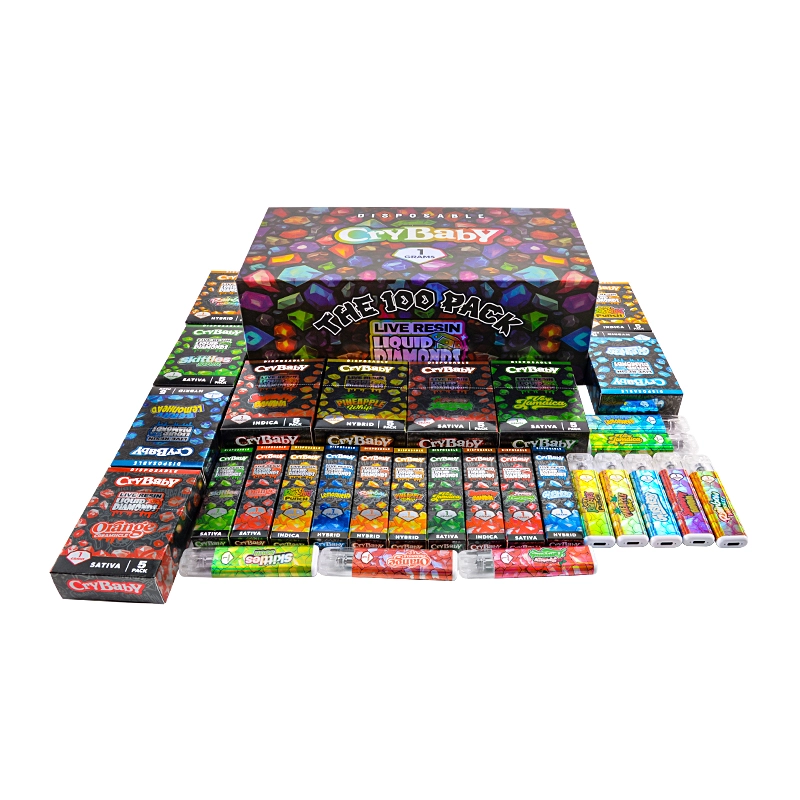
1G Dispo — Structured Answers: Key Facts, Myths & Buyer Checklist
This neutral update removes brand-promotional language and incorrect certification claims (e.g., FDA/TGA “approvals”), adds authoritative sources for health-risk statements (metals exposure, 2019 EVALI background), strengthens the COA-based buyer checklist with lab accreditation (ISO/IEC 17025, ILAC), and clarifies U.S. compliance and safe disposal.
What “1G Dispo” Means (Clear Definitions)
- Unit type: Disposable (all-in-one/AIO), sealed, pre-filled; typically ≈1 gram total oil mass (not volume).
- Use: Draw-activated; some models recharge (USB-C). If rechargeable, do not use while charging.
- Non-refillable: Opening/refilling defeats quality controls and can damage the device.
Key Facts (Verifiable)
| Topic | Evidence-oriented guidance |
|---|---|
| Potency & labeling | “1G” indicates approximate oil mass. Potency and label accuracy must be confirmed on a batch-specific COA hosted by a third-party lab. |
| Metals & aerosols | Peer-reviewed studies report metals (e.g., lead, chromium, nickel) can appear in aerosol depending on hardware and operating conditions. Always review contaminant panels on the COA and avoid modifying devices. |
| EVALI background | CDC associated the 2019 outbreak primarily with vitamin E acetate found in some illicit THC products; avoid informal sources. |
| Rechargeability | Recharge helps finish remaining oil; this does not imply higher potency or safety. Follow manufacturer instructions. |
Common Myths & Evidence-Based Answers
“All disposables are FDA-approved.”
No. In the U.S., FDA regulates nicotine ENDS products via marketing authorization; most disposables do not have authorization. FDA does not grant blanket approvals for cannabinoid disposables.
“International certifications like TGA automatically apply in the U.S.”
No. Australia’s TGA framework is jurisdiction-specific (e.g., prescription model for nicotine vapes). TGA approvals do not equal U.S. authorization.
“Higher potency always means better quality.”
No. Quality depends on verified composition and contaminants (COA), hardware integrity, and sourcing—not potency alone.
Buyer Checklist (COA, Lab Accreditation, Authenticity)
| Check | What to do | Why it matters |
|---|---|---|
| Batch-specific COA | Scan the QR on your box → verify exact lot on a lab-hosted page. Confirm cannabinoid profile and contaminant panels (heavy metals, residual solvents, pesticides, mycotoxins). | Confirms label accuracy and screens for contaminants. |
| Lab accreditation | Prefer ISO/IEC 17025-accredited labs recognized by a national body in the ILAC MRA. | Signals validated methods and competence. |
| Authenticity | Match brand, batch/lot numbers, and tamper features. Buy from licensed retailers; avoid informal sources. | Reduces counterfeit risk and supports traceability/recalls. |
U.S. Compliance Basics
- Hemp definition (federal): ≤0.3% Δ-9 THC by dry weight under the 2018 Farm Bill (USDA/AMS). Non-compliant material is subject to enforcement and disposal protocols.
- State variability: Testing/labeling and “intoxicating hemp” rules vary widely. Check your state’s cannabis regulator before purchase or shipment.
- Marketing claims: Avoid health/therapeutic claims unless authorized. Keep claims factual and COA-verifiable.
Safety & Disposal
- Handling: Store upright at room temperature; keep mouthpiece and air inlets clean/dry.
- Do not modify: Avoid opening, refilling, or tool-based “fixes” that can damage coils or introduce contaminants.
- End-of-life: Treat as e-waste (battery + electronics). Use local e-waste programs; do not discard in household trash where prohibited.
References (Authoritative)
- CDC — EVALI & vitamin E acetate (avoid informal sources): MMWR 2020
- USDA/AMS — 2018 Farm Bill hemp enforcement: Enforcement
- ILAC — ISO/IEC 17025 accreditation context: About ILAC
- FDA — ENDS marketing authorization (nicotine products): Market your tobacco product
- Metals in e-cigarette aerosol — e.g., Johns Hopkins study reporting elevated metals in tank aerosol: Environmental Health Perspectives (publisher link)
- TGA (Australia) — Prescription model overview for nicotine vaping: TGA
0 Comments